
Italiani nel Mondo
La domanda offensiva e il passato che alcune persone non riescono a immaginare né ad accettare- The offensive question and the past some people cannot imagine or accept

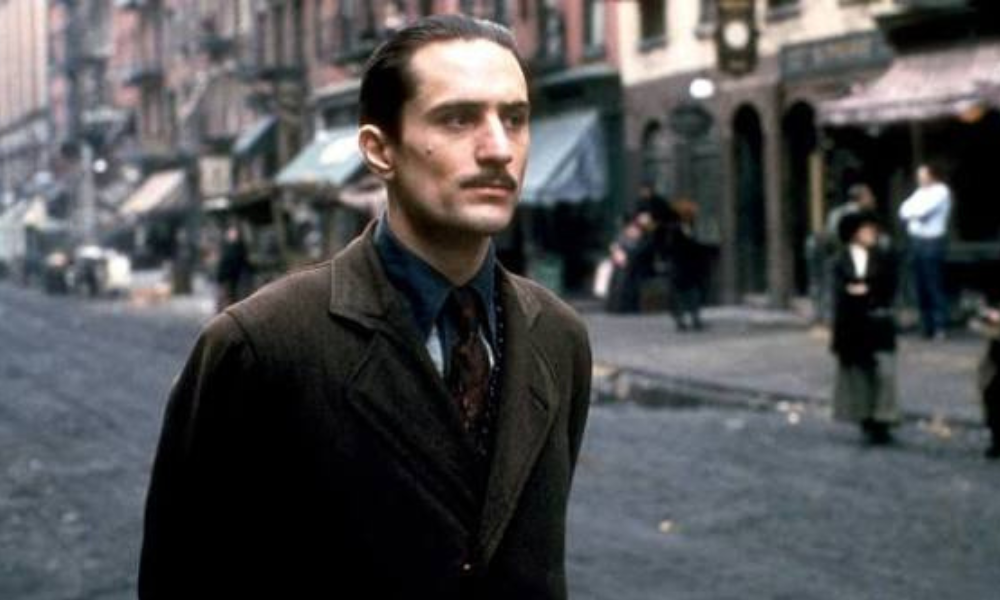


La domanda offensiva e il passato che alcune persone non riescono a immaginare né ad accettare
Tutti amiamo i nostri nonni e i nostri antenati e tutti vogliamo pensare bene di loro, ma in molti casi i volti felici che ci offrono regali e simili non corrispondono del tutto a chi fossero realmente i nostri antenati o a ciò che avevano fatto; per molte persone, la semplice possibilità che ci fossero dei segreti nel loro passato è sufficiente a suscitare indignazione e sdegno nei discendenti dei migranti, indipendentemente dal paese di provenienza.
Ed è proprio ciò che è accaduto di recente su alcune pagine Facebook americane dedicate alla raccolta delle storie dei migranti in quel Paese, quando un utente ha semplicemente chiesto: “Quali segreti nascondevano i tuoi nonni quando sono entrati nel Paese”.
Le reazioni sono andate da «Che razza di domanda offensiva è questa?» a «I miei nonni erano in regola, non come molte persone che ora vengono qui», un commento che ha più a che fare con la politica moderna di quel paese che con una reazione seria alla domanda, perché, fin troppo spesso, non sappiamo che il nostro passato non è quello che pensiamo.
Il semplice fatto che ogni comunità italiana nel mondo, senza eccezioni, comprenda membri di gruppi della criminalità organizzata italiana – come è stato regolarmente documentato dai giornali e dalle autorità di polizia di tutto il mondo – dimostra che c’erano italiani che emigravano per ragioni non legate semplicemente alla “ricerca di lavoro”. E questi individui entrano sempre nel paese con documenti apparentemente regolari, spesso come legittimi uomini d’affari, ma, ovviamente, non rivelerebbero mai alle autorità i veri interessi in gioco nell’emigrazione.
E possiamo proseguire questa riflessione con un altro fatto indiscutibile della storia italiana. L’Italia è stata una dittatura per oltre vent’anni, durante i quali gli italiani venivano torturati e uccisi per la loro opposizione a un regime che si è concluso brutalmente dopo quella che oggi è considerata una guerra civile. E durante quel periodo, specialmente nella regione Emilia-Romagna, in una parte del territorio oggi nota come il «Triangolo della morte», molti fascisti furono uccisi per rappresaglia dalle famiglie o dai colleghi delle loro ex vittime.
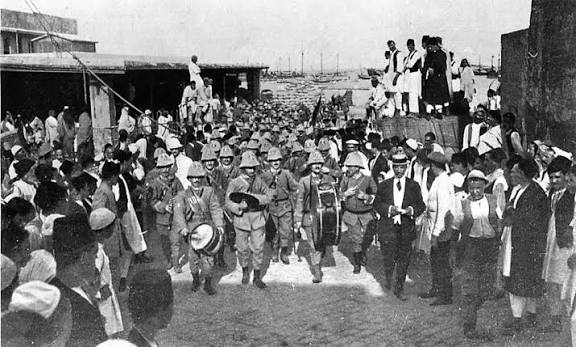
Pertanto, non ci vuole molto a capire che tra gli innumerevoli italiani emigrati dopo la Seconda Guerra Mondiale, ci sarebbero stati alcuni che fuggirono per paura delle rappresaglie da parte delle persone che avevano perseguitato, così come ci sarebbero stati altri che fuggirono proprio perché avevano compiuto quelle rappresaglie. E dubito fortemente che qualcuno di loro lo abbia menzionato quando è stato interrogato all’arrivo nel nuovo paese.
Infatti, il film del 1953 “Il ritorno di don Camillo” racconta il ritorno di un ex fascista (vestito da indiano d’America…) nella speranza che le sue “imprese” durante la dittatura fossero state dimenticate, ma tra le sue vittime non c’era solo il famoso parroco, don Camillo, ma anche l’altrettanto famoso sindaco comunista del paese, Peppone, i quali non avevano certo dimenticato ciò che lui aveva fatto loro, come si vede nella memorabile scena del film riportata qui sotto. Purtroppo, la scena è disponibile solo in francese, ma l’interazione tra il parroco, il sindaco e il fascista travestito da indiano mostra chiaramente la tensione della situazione.
Allo stesso modo, anche alcuni italiani coinvolti negli anni del terrorismo interno tra gli anni ’60 e ’80, da entrambe le parti dello schieramento politico, hanno cercato rifugio all’estero e, sebbene alcuni nomi siano stati resi pubblici, come quello di Cesare Battisti, estradato in Italia dalla Bolivia nel 2019, o quello di Giorgio Pietrostefani di Lotta Continua, che ha trovato rifugio in Francia, ci sono senza dubbio ancora altri i cui nomi non sono stati resi pubblici.
Inoltre, in alcune regioni d’Italia, i casi di faide non erano rari, e vi sono casi di persone fuggite per sfuggire all’omicidio o dopo aver ucciso qualcuno nel corso della faida, e nessuna di queste avrebbe rivelato il vero motivo della propria migrazione.
Naturalmente, questi sono casi estremi in cui le persone sarebbero emigrate all’estero per motivi non legati alla «ricerca di lavoro», ma vi sono molti altri casi che devono essere presi in considerazione.
Probabilmente i più noti tra questi erano quegli uomini infelici nel proprio matrimonio che andavano oltreoceano per «creare una nuova casa» per le loro famiglie, ma poi «scomparivano», e della maggior parte di loro non si ebbe più notizia, poiché in Italia non esisteva una legge sul divorzio fino al 1970.
Purtroppo, le principali vittime di questi casi erano le mogli e i figli di questi uomini. Quelle donne venivano spesso chiamate “vedove bianche” perché la maggior parte di loro non sapeva se i mariti fossero ancora in vita e, di conseguenza, non erano libere di ricominciare una nuova vita con un altro marito. E non ho alcun dubbio, come mi ha raccontato una di loro, che i figli di questi matrimoni infelici fossero oggetto di scherno da parte dei vicini e degli altri compagni di scuola. Nel suo caso, il padre tornò dall’Argentina vent’anni dopo, con un’altra moglie e i loro figli, per «vedere i bambini», ma i figli in Italia si rifiutarono di incontrarlo.
Conosco anche un caso risalente agli anni ’80 in cui un uomo emigrò in gran fretta dopo aver scoperto che una delle sue fidanzate era incinta. In questo caso, non disse mai né alla donna che sposò all’estero, né al figlio avuto con lei, di avere un figlio in Italia. Ciò portò a una causa giudiziaria molto traumatica tra i due fratellastri dopo la morte del padre, avvenuta solo pochi anni fa.
Si tratta di casi di cui sono a conoscenza per esperienza personale, e potrei aggiungere molti altri esempi che spiegherebbero perché alcune persone non vogliano ammettere il vero motivo per cui sono emigrate.
Questo perché, quando parliamo di migrazione, parliamo di comportamenti umani che riflettono il meglio e il peggio di noi, e questo deve sempre essere tenuto presente quando si discute di qualsiasi forma di migrazione, poiché il contesto non è sempre così ovvio come molti credono.
Ovviamente, i commenti alla domanda posta dalla pagina Facebook rivelano che molte persone non vogliono credere che i propri parenti possano comportarsi in questo modo, anche se alcuni aspetti del nostro passato, che tutti conosciamo, possono essere spiegati solo con questo tipo di inganno.
Il più famoso di questi è il cambio di nome all’arrivo nel nuovo paese, e a questo proposito viene spesso citata Ellis Island a New York. Ciò era particolarmente vero prima del 1924, con l’introduzione dei passaporti e dei visti moderni, poiché sarebbe stato facile procurarsi documenti falsi e quindi cambiare identità con relativa facilità in altri paesi.
Ma quanto possiamo essere sicuri che tutti questi cambiamenti non fossero intenzionali?
Naturalmente, non sapremo mai quante persone siano state coinvolte in queste situazioni, né in altre come litigi familiari, scandali finanziari, ecc., che avrebbero potuto spingere qualcuno ad andarsene con l’intenzione di scomparire; sarebbe stato altrettanto facile fornire nomi falsi delle città di origine. E questo spiegherebbe infatti perché molte persone abbiano difficoltà a ricostruire il proprio albero genealogico, poiché le informazioni di cui dispongono sono incomplete o false.
Inoltre, nel corso degli anni ci sono stati anche commenti sui social media che puntano in questa direzione. Ad esempio, non poche persone hanno raccontato che i propri nonni avevano proibito ai figli di tornare nei loro luoghi d’origine. E cosa potrebbe spiegare un ordine del genere, se non il fatto che i nonni avessero qualcosa da nascondere?
In conclusione, tutto questo è triste, e spesso persino tragico per chi non riesce a risalire alle proprie origini a causa del comportamento dei propri antenati, ma ciò non significa mettere automaticamente in discussione la legittima domanda che l’utente americano dei social media ha pubblicato questa settimana perché, in fondo, quando si parla di esseri umani, tutto è possibile, nel bene e nel male.
E se vogliamo davvero scrivere una storia completa della nostra migrazione in tutto il mondo, dobbiamo essere brutalmente onesti con noi stessi perché c’erano, e ci sono ancora, troppe persone che non sono sincere riguardo al proprio passato e alle proprie intenzioni…
The offensive question and the past some people cannot imagine or accept
We all love our grandparents/ancestors and we all want to think the best about them, but in many cases the happy faces giving us gifts, etc, do not correspond completely with who our ancestors really were, or what they had done, and for many people the mere possibility that there may have been secrets in their past is enough to stir indignation and outrage in the descendants of migrants, Ino matter from which country.
And this is precisely what happened recently on some American Facebook pages dedicated to gathering the stories of migrants in that country when one user simply asked, “What secrets did your grandparents keep when they entered the country?”
The reactions ranged from “What sort of insulting question is that?”, to “My grandparents were legal, not like many people who now come here”, which is a comment more related to modern politics in that country than a serious reaction to that question because, all too often, we do not know that our past is not what we think.
The simple fact that every Italian community around the world, without exception, contains members of Italian organized crime groups, as has been documented regularly in the newspapers and police authorities around the world, shows that there were Italians who migrated for reasons not connected to simply “looking for work”. And these individuals always enter the country on what appear to be legal documents, often as legitimate businessmen, but of course, they would never reveal to the authorities the true interests at stake in the migration.
And we can continue this issue with another unquestioned fact about Italian history. Italy was a dictatorship for over twenty years during which Italians were tortured and killed for their opposition to a regime that ended brutally after what is now considered a civil war. And during that period, especially in the Emilia-Romagna region, in a part of the territory now known as the “Triangolo della morte” (the Triangle of Death), many fascists were killed in reprisals by the families or colleagues of their former victims.
Therefore, it takes little to understand that amongst the countless Italians who migrated after the World War Two, there would have been those who fled out of fear of reprisals by the people they persecuted, just as there would have been those who fled because they had carried out the reprisals. And I seriously doubt any of them what have mentioned that when questioned on arrival in the new country.
In fact, the 1953 film “Il ritorno di don Camillo” (The return of don Camillo) describes the return of a former fascist (dressed as an American Indian…) in the hope that his “deeds” during the dictatorship had been forgotten, but among his victims were not just the famous parish priest, don Camillo, but also the equally famous communist mayor of the town, Peppone, both of whom had certainly not forgotten what he had done to them, as we see in the memorable scene from the film below. Unfortunately, the scene is only available in French, but the interplay between the priest, the mayor, and the fascist dressed as an Indian clearly shows the tension of the situation.
In a similar way, some Italians who were involved in the years of domestic terrorism between the 1960s and 80s, on both sides of the political divide, also sought refuge overseas and while some of the names may have become public, such as Cesare Battisti who was returned to Italy from Bolivia in 2019, or Giorgio Pietrostefani of Lotta Continua who found refuge in France, there are undoubtedly still others whose names have not yet been made public.
Furthermore, in certain regions of Italy, cases of faide (blood feuds) were not uncommon, and there are cases of people fleeing from being killed or fleeing after having killed someone during the feud and none of these would have revealed the real reason for their migration.
Of course, these are extreme cases of why people would have migrated overseas for reasons not related to “looking for work” but there are many other cases that must be considered.
Probably the best of known of these were those unhappily married men who went overseas to “set up a new home” for their families, but then “disappeared”, most of them never to be heard from again, because Italy did not have a Divorce Law until 1970.
Sadly, the major victims of these cases were the wives and children of these men. Those women were often called “vedove bianche” (white widows) because most of them never knew if the husbands were still alive and therefore, they were not free to start a new life with another husband. And I have no doubt, as one of them told me, that the children of these unhappy marriages were the subject to derision from the neighbours and other students at school. In her case, the father returned from Argentina 20 years later, with another wife and their children to “see the children”, but the children in Italy refused to see him.
I also know of a case from the 1980s in which a man migrated very hastily after he found out that one of his girlfriends was pregnant. In this case, he never told the woman he married overseas, nor their son, that he had a son in Italy. This led to a very traumatic court case between the two half-brothers after the death of the father only a few years ago.
These are cases I know of from personal experience, and I can add many other cases which would explain why some people would not want to admit to why they migrated.
This is because, when we talk about migration, we talk about the behaviour of human beings that reflect the best and the worst of us, and this must always be considered when we talk about any form of migration, because the background is not always as obvious as many believe.
Obviously, the comments to the question asked by the Facebook page reveals that many people do not want to believe that their relatives could behave in such a manner, even though some aspects from our past that we all know can only be explained by this sort of deception.
The most famous of these is the changes of names on arrival in the new country, and Ellis Island in New York is often mentioned in relation to this. And this was particularly the case before 1924 with the introduction of modern passports and visas, because it would have been easy to find fake documentation, and then to change identity relatively easily in other countries.
But how sure can we be that all these changes were unintentional?
Naturally, we will never know how many were involved in these situations, and in others such as family arguments, financial scandals, etc, who would have left with the intention of disappearing, and it would have been just as easy to give fake names of towns of origin. And this would in fact explain why many people have difficulty in tracing their family trees because the information they have is either incomplete, or fake.
Furthermore, over the years there have also been comments on the social media that point in this direction. For example, not a few people have said that their grandparents had forbidden the children to go back to their places of origin. And what could explain such an order, if not that the grandparents had something to hide?
In conclusion, all this is sad, and often even tragic for those who cannot trace their origins because of their ancestors’ behaviour, but that does not mean automatically challenging legitimate question that the American social media user posted this week because, basically, when we talk about human beings, anything is possible, for better or for worse.
And if we truly want to write a comprehensive history of our Migration around the world, we must be brutally honest with ourselves because there were, and still are, too many people who are not honest about their past and intentions…


