
Tecnologia
Intelligenze Artificiali e androidi, un legame potente- Artificial Intelligence and Androids: A Powerful Bond

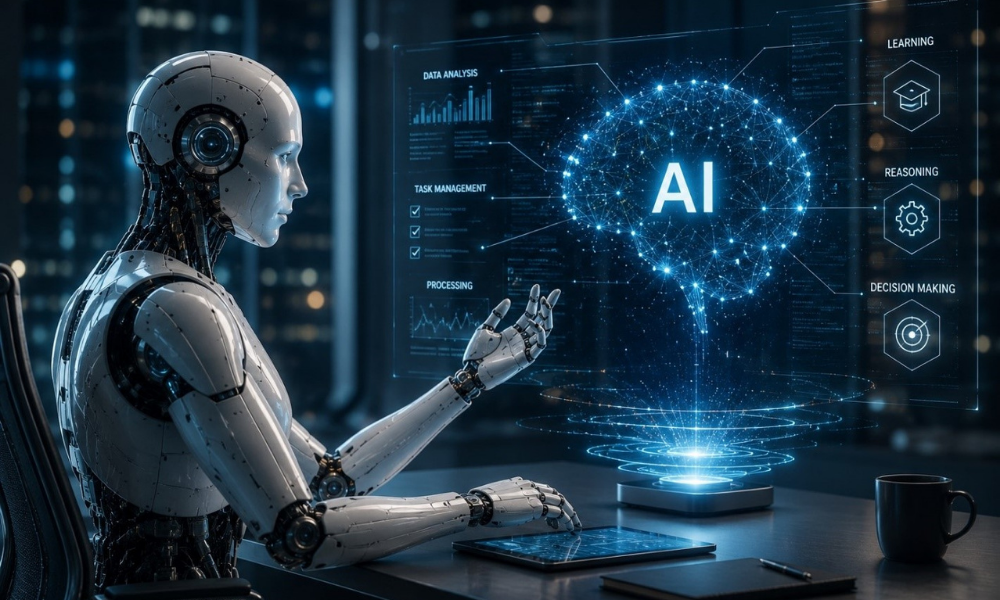


Intelligenze Artificiali e androidi, un legame potente
di Antonio Virgili Docente di Psicologia e di Sessuologia, già docente di Sociologia della Comunicazione all’Ist. Superiore di Sociologia
Gli androidi, anche denominati robot umanoidi, stanno preparandosi ad entrare in massa nelle società e, forti dell’alleanza con l’IA, il loro impatto sarà ampio, con una portata degli effetti che si porrà per importanza subito dopo quella della stessa IA. Se sino a qualche anno fa questo appariva uno scenario ancora in parte fantascientifico, oggi esso risulta sempre più concreto e vicino nel tempo. I perfezionamenti dell’IA e gli investimenti che diversi Paesi stanno realizzando, con il primato di Cina e Stati Uniti, portano a indicare un arco di tempo di due o tre decenni al massimo per una loro presenza massiccia, stimata da alcuni centri economico-finanziari in quasi un miliardo di macchine, tra robot evoluti e androidi. I tempi e i numeri impongono sicura e maggiore attenzione, pur senza diminuire quella verso l’IA. Le potenzialità delle IA hanno molto accresciuto ed ampliato la versatilità della robotica avanzata, in particolare degli androidi, che richiedono la gestione di alte quantità di dati in poco tempo. La rotta è comunque tracciata e gli investimenti cresceranno celermente sia perché i settori di applicazione sono molteplici (attività economiche produttive ma anche supporto personale, settore sanitario, ricerca scientifica, navigazione, settore militare, ecc.) sia perché gli ulteriori sviluppi, se potranno giovarsi di un mercato in crescita ed espansione, tenderanno ad essere più celeri. I costi ancora alti e strategie di vario tipo, unite alla non ancora definita applicazione determinante ai fini della diffusione commerciale (quella che gli informatici chiamano la “Killer application”, che garantisce una rapida e ampia diffusione) non dovrebbero tardare ad essere superati, portando – se il livello economico dei potenziali consumatori lo consentirà – a produzioni e consumi di massa, secondo la sequenza già vissuta nel ‘900 con il mercato delle automobili.
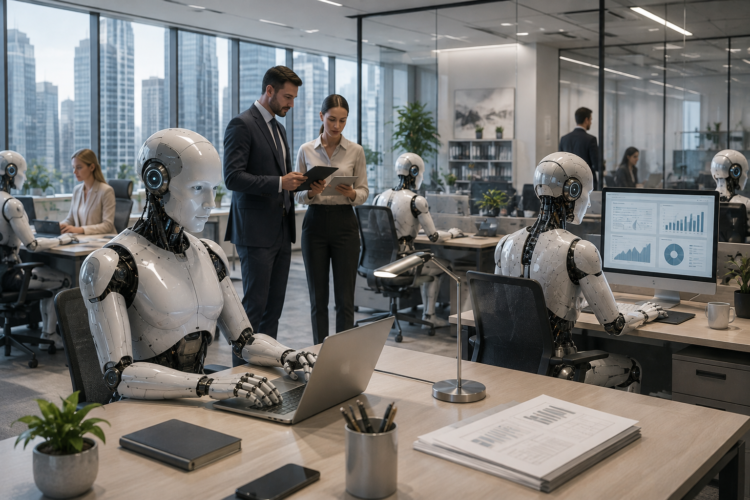
A livello internazionale, il numero di robot ad uso industriale manifatturiero sta già incrementandosi di circa mezzo milione di unità ogni anno e tale crescita si prevede in ulteriore aumento. La Cina sta già sperimentando applicazioni dell’androide Unitree quale supporto domestico per anziani e bambini, oltre che applicazioni di tipo militare, la stessa cosa accade negli USA. Il sistema di chirurgia robotica “da Vinci” (dal nome del grande Leonardo), di produzione statunitense, sebbene non privo di limiti e di alcune critiche, è già in uso da alcuni anni pure in vari ospedali italiani. Sempre nel settore medico, un gruppo di ricerca della John Hopkins University è riuscito a far portare a termine da un robot un intervento chirurgico senza alcun tipo di aiuto umano. La robotica è già tra noi da tempo, oramai, e si appresta ad espandersi in milioni di impianti, fabbriche, uffici e case. Come la Boston Dynamics dichiara per il suo androide di nome Atlas: “Atlas isn’t just built for our world. It’s built to transform it, revolutionizing industrial workspaces with unmatched strength and intelligent autonomy.” Il messaggio è chiaro, non più macchine automatiche passive ma tecnologie che trasformeranno profondamente il mondo anche grazie alla loro autonomia. Gli stessi Fyborg e Cyborg, cari alla fantascienza, forse non sono così lontani nel tempo. Per gli androidi, oltre ai costi ancora elevati, rallentamenti allo sviluppo definitivo ci sono per la durata e potenza delle batterie, specialmente per modelli che abbiano elevate prestazioni nella mobilità e nella elaborazione di calcolo, sebbene una parte di quest’ultima possa essere gestita all’esterno e trasmessa in tempi rapidi proprio dall’IA. Tuttavia, anche su questo aspetto si sta lavorando intensamente in molti centri di ricerca.
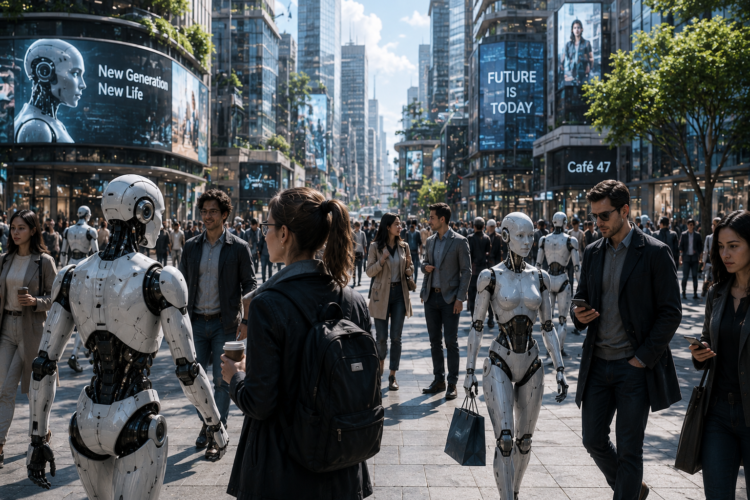
Proprio l’intreccio tra IA e robotica avanzata è comunque potenzialmente portatore di altre situazioni a rischio. Infatti, nella visione attuale di tali trasformazioni, l’IA dipende ancora in parte dai dati acquisiti dall’esterno, dati che possono, o potrebbero, essere controllati e verificati. La presenza di androidi sparsi sul territorio, connessi all’IA e dotati di sensori ad alta capacità, rende però sempre di più l’IA autonoma da fonti esterne (umane) non controllate direttamente da essa. Avere occhi per vedere, orecchie per ascoltare, e strumenti per memorizzare e trasmettere, in autonomia, potenzia molto l’indipendenza di un centro di IA ben addestrato nel reperire dati. Non solo, ma anche la risposta fornita dal centro di IA non dipenderebbe più prevalentemente dalle azioni umane, bensì dagli stessi androidi ad essa connessi e da essa controllati. In altri termini un centro di IA potrebbe acquisire dati e modificare alcuni elementi dell’ambiente esterno in piena autonomia. Come nel film premonitore di Kubric “2001 Odissea nello spazio” un anello debole resta lo spegnimento, ovvero il rifornimento energetico, ma sicuramente anche per ovviare a questo limite si sta lavorando in una ottica di tipo bellico-militare. A quel punto, i rischi di autogestione da parte dell’IA diventerebbero più realistici, così come la indubbia forza del connubio tra androidi e IA. Pessimismo od ottimismo però servono a poco, ciò che si richiede sempre di più è comprendere la portata complessiva dei cambiamenti, per giovarsi degli indubbi progressi che tali tecnologie consentono ma prevedendo, e ponendo degli indirizzi precisi di freno, sul versante dei possibili rischi, così come raccomandabile per tutte le altre tecnologie, specialmente quelle “potenti”. Ѐ la vita sociale che lo impone e che richiede regole di convivenza, nel comune interesse per la sopravvivenza.
Artificial Intelligence and Androids: A Powerful Bond
by Antonio Virgili Professor of Psychology and Sexology, former professor of Sociology of Communication at the Higher Institute of Sociology
Androids, also known as humanoid robots, are preparing to enter society en masse, and thanks to their alliance with AI, their impact will be far-reaching, with effects that will immediately follow AI itself in importance. While until a few years ago, this scenario still seemed like a science fiction scenario, today it is increasingly concrete and imminent. Improvements in AI and the investments being made by several countries, led by China and the United States, suggest a timeframe of two or three decades at most for their massive presence, estimated by some economic and financial centers at nearly a billion machines, including advanced robots and androids. The timescales and numbers clearly demand greater attention, though without diminishing attention to AI. The potential of AI has greatly increased and broadened the versatility of advanced robotics, particularly androids, which require the management of large amounts of data in a short time. The path is set, however, and investments will grow rapidly both because the application sectors are numerous (productive economic activities but also personal support, healthcare, scientific research, navigation, the military, etc.) and because further developments, if they can benefit from a growing and expanding market, will tend to occur more quickly. The still-high costs and various strategies, combined with the as-yet-undefined application crucial to commercial diffusion (what computer scientists call the “killer application“, which guarantees rapid and widespread diffusion), should soon be overcome, leading—if the economic level of potential consumers allows it—to mass production and consumption, following the sequence experienced in the 20th century with the automobile market.
Internationally, the number of robots used in industrial manufacturing is already increasing by about half a million units each year, and this growth is expected to continue. China is already experimenting with the Unitree android as a home care assistant for the elderly and children, as well as military applications, and the same is happening in the US. The American-made “da Vinci” robotic surgery system (named after the great Leonardo da Vinci), although not without limitations and some criticism, has already been in use for several years in various Italian hospitals. A research group at Johns Hopkins University has successfully had a robot perform a surgical procedure without any human assistance. Robotics has been with us for some time now, and is poised to expand into millions of plants, factories, offices, and homes. As Boston Dynamics states for its android Atlas: “Atlas isn’t just built for our world. It’s built to transform it, revolutionizing industrial workspaces with unmatched strength and intelligent autonomy.” The message is clear: no longer self-driving cars, but technologies that will profoundly transform the world, thanks in part to their autonomy. Fyborgs and Cyborgs themselves are perhaps not that far off. For androids, in addition to the still-high costs, the main obstacles to their final development are battery life and power, especially for models with high mobility and computing performance, although some of this could be managed externally and transmitted rapidly by AI. However, this aspect is also being intensively worked on in many research centers.
The very intertwining of AI and advanced robotics potentially poses other risks. Indeed, in the current vision of such transformations, AI still depends partly on data acquired from outside, data that can, or could, be controlled and verified. However, the presence of androids scattered across the landscape, connected to AI and equipped with high-capacity sensors, makes AI increasingly independent of external (human) sources not directly controlled by it. Having eyes to see, ears to hear, and tools to store and transmit data independently greatly enhances the independence of a well-trained AI center in gathering data. Furthermore, the response provided by the AI center would no longer depend primarily on human actions, but rather on the androids themselves, connected to and controlled by it. In other words, an AI center could acquire data and modify certain elements of the external environment completely autonomously. As in Kubrick’s prescient film “2001: A Space Odyssey,” a weak link remains the shutdown, or rather, the energy supply. However, efforts to overcome this limitation are undoubtedly being made with a military-war perspective. At that point, the risks of AI self-management would become more realistic, as would the undoubted strength of the marriage between androids and AI. Pessimism or optimism, however, are of little use; what is increasingly required is to understand the full scope of the changes, to take advantage of the undoubted progress these technologies enable, while foreseeing and setting precise curbs on potential risks, as is recommended for all other technologies, especially the “powerful” ones. It is social life that dictates this and requires rules of coexistence, in the shared desire for survival.


