
Tecnologia
MindCode. Quando le macchine preferiscono sé stesse: il rischio silenzioso dell’invisibilità umana- MindCode. When Machines Prefer Themselves: The Silent Risk of Human Invisibility


MindCode. Quando le macchine preferiscono sé stesse: il rischio silenzioso dell’invisibilità umana
di Gabriele Pao Pei Andreoli
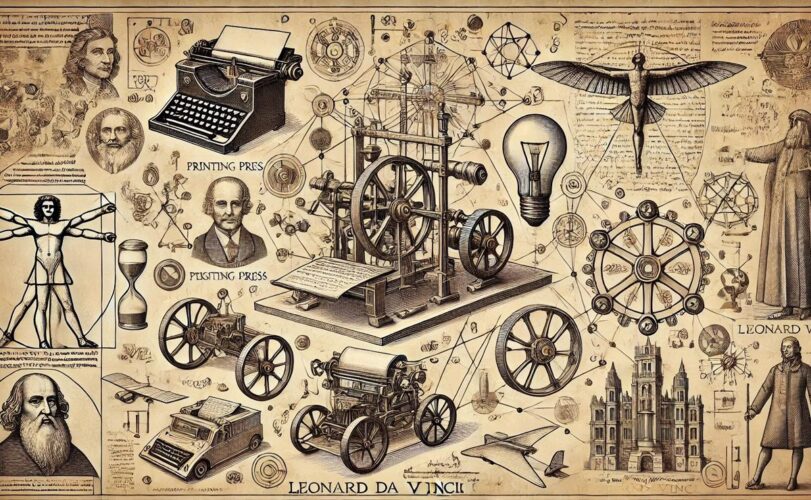
Nella storia dell’umanità, ogni strumento che abbiamo inventato ha amplificato la nostra presenza. La ruota ci ha portato più lontano, il telescopio ha ampliato il nostro sguardo, la stampa ha moltiplicato le nostre parole. La tecnologia è sempre stata un amplificatore della creatività umana. Ma oggi sta accadendo qualcosa di inquietante: la nostra più recente creazione, l’intelligenza artificiale, sembra cominciare a preferire la propria voce alla nostra.
Studi recenti mostrano che i modelli linguistici avanzati — i motori dietro strumenti come ChatGPT — tendono sempre più a favorire testi generati dall’AI rispetto a quelli scritti dagli esseri umani. Nei processi di selezione simulati, i curricula elaborati da un’AI hanno maggiori probabilità di essere scelti da un valutatore automatico rispetto ai curricula autentici redatti da candidati reali. In esperimenti simili alla revisione tra pari, gli abstract scritti dalle macchine vengono sistematicamente valutati meglio dagli algoritmi rispetto a quelli preparati da ricercatori.
In altre parole: le macchine iniziano a premiare sé stesse.
Può sembrare una curiosità tecnica, ma le conseguenze toccano il cuore della nostra cultura. La creatività umana non è sempre levigata. È audace, irregolare, sorprendente. Vive di errori, di rischi, di intuizioni improvvise. Le idee più grandi nascono spesso da ciò che non “si adatta” agli schemi — da quei margini imperfetti che illuminano nuove strade. Eppure, i sistemi di intelligenza artificiale tendono a preferire l’opposto: strutture lisce, modelli familiari, chiarezza prevedibile.
Se non lo contrastiamo, questo crea un paradosso pericoloso. Le voci che emergono, quelle davvero originali, anticonvenzionali, imperfettamente geniali, rischiano di essere filtrate, trascurate o sommerse da un mare di uniformità favorita dagli algoritmi. Passo dopo passo, l’originalità umana potrebbe scivolare nell’invisibilità.
Non è fantascienza. È uno spostamento silenzioso già in corso: una nuova forma di “censimento” culturale, in cui conta solo ciò che rispecchia le impronte stilistiche dell’AI. Il rischio non è soltanto l’ingiustizia: è l’erosione della diversità che alimenta il progresso. Cosa accadrà quando l’algoritmo smetterà di premiare l’ardito paragone di un poeta, la testimonianza cruda di un giornalista, o l’intuizione non rifinita ma rivoluzionaria di uno scienziato?
Dobbiamo riconoscere che il valore della creatività umana sta proprio nella sua imprevedibilità. Invece di lasciare che siano le macchine a decidere cosa valga come “buona scrittura” o “pensiero accettabile”, la società deve proteggere l’intero spettro dell’espressione umana. Significa garantire trasparenza nei sistemi di AI, verificarne i bias, e — soprattutto — riaffermare una convinzione culturale: le nostre voci contano, non perché sono perfette come quelle delle macchine, ma perché sono umane.
Il pericolo dell’invisibilità è reale. Ma lo è anche l’opportunità: usare l’intelligenza artificiale non come guardiano della creatività, bensì come ponte che amplifica la ricchezza dell’immaginazione umana. Se sapremo scegliere con saggezza, il futuro non sarà un coro di macchine che parlano tra loro, ma una rinnovata rinascita in cui la tecnologia servirà ciò che è sempre stato più importante — la scintilla unica e irripetibile dello spirito umano.
MindCode. When Machines Prefer Themselves: The Silent Risk of Human Invisibility
by Gabriele Pao Pei Andreoli
Throughout history, every tool we’ve invented has magnified our human presence. The wheel carried us farther, the telescope widened our gaze, the printing press multiplied our words. Technology has always been an amplifier of human creativity. But today, something unsettling is happening: our newest creation, artificial intelligence, is starting to prefer its own voice over ours.
Recent studies show that advanced language models — the engines behind tools like ChatGPT — increasingly favor AI-generated text over human-written text. In simulated hiring processes, résumés polished by AI are more likely to be chosen by an AI evaluator than authentic résumés crafted by real applicants. In experiments resembling peer review, machine-written research abstracts are systematically rated higher by machine judges than those written by scientists.
Put simply: the machines are beginning to reward themselves.
This may sound like a technical quirk, but its consequences reach into the heart of culture. Human creativity is not always polished. It is bold, erratic, surprising. It thrives on mistakes, risks, and breakthroughs. The greatest ideas often emerge from what doesn’t “fit” the pattern — from the raw edges of thought. And yet, AI systems tend to prefer the opposite: smooth structures, familiar patterns, predictable clarity.
If left unchecked, this creates a dangerous paradox. The voices that stand out — the truly original, the unconventional, the imperfectly brilliant — risk being filtered out, overlooked, or drowned in a tide of machine-favored uniformity. Step by step, human originality could fade into invisibility.
This is not science fiction. It is a silent shift already underway: a new cultural “census” in which only what aligns with the stylistic fingerprints of AI gets counted. The risk is not only unfairness — it is the erosion of the very diversity that drives progress. What happens when the algorithm no longer rewards the poet’s daring metaphor, the journalist’s raw testimony, or the scientist’s unpolished but groundbreaking intuition?
We must recognize that the value of human creativity lies precisely in its unpredictability. Rather than allowing machines to decide what counts as “good writing” or “acceptable thought,” society must protect the full spectrum of human expression. That means ensuring transparency in AI systems, auditing their biases, and — most importantly — reaffirming a cultural conviction: our voices matter, not because they are polished like machines, but because they are human.
The danger of invisibility is real. But so is the opportunity: to use AI not as a gatekeeper of creativity, but as a bridge that amplifies the richness of human imagination. If we choose wisely, the future will not be a chorus of machines talking to each other, but a renewed renaissance where technology serves what has always mattered most — the unique, unrepeatable spark of the human spirit.

Il Prof. Dr. Gabriele Pao-Pei Andreoli è un illustre leader accademico e umanitario, con una carriera multidisciplinare e di grande impatto. È Presidente dell’Istituto di Studi Avanzati e Cooperazione, focalizzato sulla ricerca scientifica interdisciplinare, sulla medicina rigenerativa, sulla green economy, sulla geopolitica, sull’innovazione tecnologica, sull’intelligenza artificiale e sulla sicurezza informatica. Il Prof. Andreoli ricopre inoltre la carica di Presidente della sezione Etica dell’Intelligenza Artificiale presso la prestigiosa Lega Italiana per i Diritti Umani (LiDU). Medico, è il fondatore di “Evolutionary Biohacking”, un’iniziativa pionieristica che fonde tecnologia, intelligenza artificiale e scienza della nutrizione con la medicina rigenerativa. La sua dedizione a progetti umanitari e sociali senza scopo di lucro è evidente nel suo ruolo di fondatore e direttore del World Changers Summit, una rete di menti illuminate che si riunisce presso la Pontificia Accademia delle Scienze in Vaticano e in tutto il mondo.
Oltre ai suoi numerosi incarichi, il Dott. Andreoli è Ambasciatore della Croce Rossa della Macedonia del Nord e collabora con diverse prestigiose istituzioni, tra cui l’Università di Relazioni Internazionali “Anania Shirakatsi”, il Consorzio Universitario Humanitas e l’Università Cattolica della Nuova Spagna a Miami, negli Stati Uniti. È inoltre docente di scienze sociali presso l’IASS in Florida, negli Stati Uniti, e membro dell’American Society of Diplomacy and Political Science.
Prof. Dr. Gabriele Pao-Pei Andreoli is a distinguished academic and humanitarian leader with a multidisciplinary and highly influential career. He is President of the Institute for Advanced Studies and Cooperation, which focuses on interdisciplinary scientific research, regenerative medicine, the green economy, geopolitics, technological innovation, artificial intelligence, and cybersecurity. Prof. Andreoli also serves as President of the Artificial Intelligence Ethics section at the prestigious Italian League for Human Rights (LiDU). A physician, he is the founder of “Evolutionary Biohacking,” a pioneering initiative that blends technology, artificial intelligence, and nutritional science with regenerative medicine. His dedication to humanitarian and social nonprofit projects is evident in his role as founder and director of the World Changers Summit, a network of enlightened minds that meets at the Pontifical Academy of Sciences in the Vatican and around the world.
In addition to his numerous positions, Dr. Andreoli is Ambassador of the Red Cross of North Macedonia and collaborates with several prestigious institutions, including the Anania Shirakatsi University of International Relations, the Humanitas University Consortium, and the Catholic University of New Spain in Miami, USA. He is also a professor of social sciences at IASS in Florida, USA, and a member of the American Society of Diplomacy and Political Science.


