
Italiani nel Mondo
Gli italiani nel mondo: una risorsa sottovalutata dell’Italia Parte 2- The Italians around the world: Italy’s underappreciated resource. Part 2

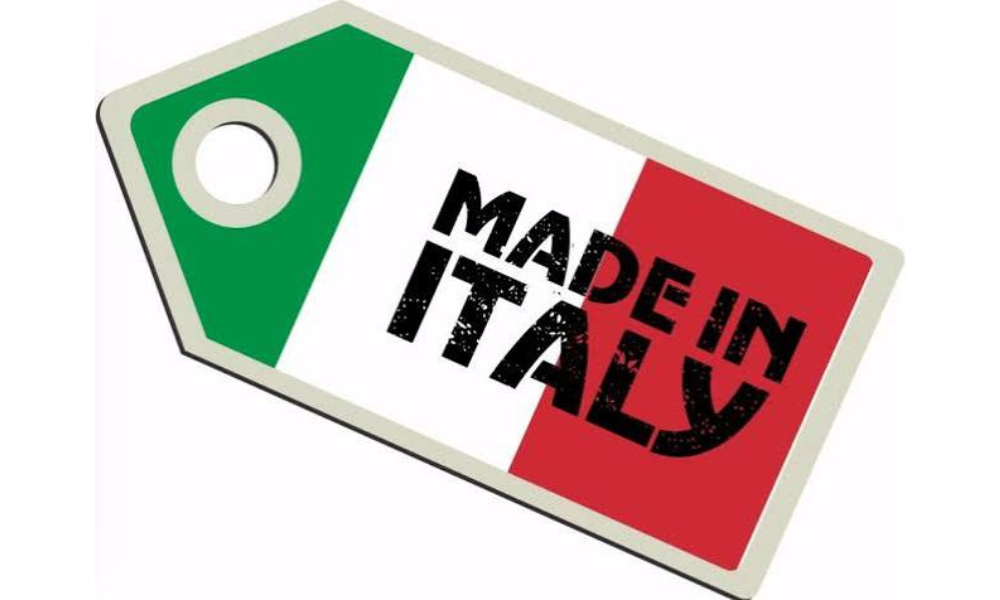


Gli italiani nel mondo: una risorsa sottovalutata dell’Italia. Parte 2
di Gianni Pezzano
Nella prima parte di questa trilogia di articoli abbiamo esaminato la complessa realtà degli “italiani nel mondo”, gli italiani all’estero, costituiti da migranti, dai loro figli e dai loro discendenti. Tuttavia, quell’articolo non ha affrontato un aspetto importante, ovvero la promozione dei prodotti italiani, che è l’argomento di questo articolo, e della terza parte, che esaminerà un aspetto specifico dell’Italia talmente rilevante da meritare un articolo a sé stante.
Prima di proseguire, è necessario fare un’osservazione che contestualizzi l’intera questione. Il vero profitto per qualsiasi paese non deriva dalla popolazione locale, poiché ciò comporta solo la ridistribuzione di denaro da una parte all’altra della popolazione e dell’economia locale, ma dalle vendite di prodotti in altri paesi, poiché queste immettono ingenti somme nell’economia nazionale, con evidenti benefici per tutti, a cominciare da una maggiore occupazione per la popolazione e da maggiori profitti per le industrie locali…
E in questo l’Italia ha un vantaggio fondamentale che finora non è stato apprezzato quanto dovrebbe e, cosa ancora più importante, sfruttato al livello che merita: le comunità italiane sparse nel mondo.
Come affermato nel primo articolo, emigrare in un altro Paese NON significa che i migranti smettano di contribuire all’economia italiana. Quasi ogni famiglia dei nostri emigrati inviava denaro ai genitori, ai fratelli e alle sorelle in Italia e queste «rimesse» sono sempre state un’enorme fonte di denaro proveniente dall’estero per l’economia italiana.
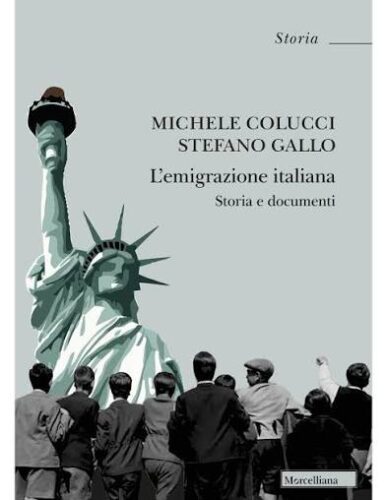
La reale entità di tali rimesse è stata rivelata nel rapporto del 2012 dell’Osservatorio della politica internazionale del Senato italiano, intitolato «La risorsa emigrazione. Gli italiani all’estero tra percorsi sociali e flussi economici, 1945-2012”, a cura di Michele Colucci.
Le statistiche relative a quelle ingenti somme di denaro nei decenni successivi alla Seconda guerra mondiale sono sbalorditive e spiegano perché le famiglie italiane all’estero abbiano svolto un ruolo fondamentale nella ricostruzione del Paese dopo la guerra, gettando le basi per diventare, in seguito, membro del G7, il gruppo delle superpotenze economiche.
La verità è che il denaro ha avuto un ruolo fondamentale nel boom economico italiano degli anni ’50 e ’60. Purtroppo, troppe persone in Italia lo hanno dimenticato o, peggio ancora, non ne hanno mai avuto notizia.
E va anche detto che questo sta accadendo ora anche in Italia stessa con i nuovi migranti presenti nel Paese, e i numerosi articoli che ho trovato sull’argomento non fanno che confermare come i migranti non dimentichino le loro famiglie nei Paesi d’origine mentre si stabiliscono nei loro nuovi Paesi.
Inoltre, la dimensione della nostra diaspora all’estero descritta nel primo articolo – almeno 85-90 milioni di persone, ovvero una volta e mezzo l’attuale popolazione italiana – significa che queste comunità all’estero continueranno a dare un contributo all’Italia per molto tempo ancora.
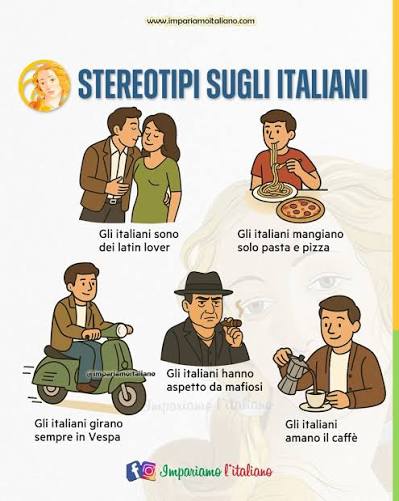
Sarebbe facile affermare che gli attuali contributi consistano nell’acquisto di prodotti alimentari quali vino, generi alimentari di ogni tipo, ecc., ma ciò non farebbe altro che riflettere gli stereotipi che affollano le pagine social degli “Italiani nel mondo”.
Infatti, i prodotti esportati in altri paesi e spesso importati in quei paesi da imprenditori di origine italiana, nonché acquistati dai nostri parenti e dalla popolazione locale, comprendono anche piastrelle, illuminazione, moda, macchinari industriali di ogni genere, automobili e persino aerei ed elicotteri, solo per dare un breve assaggio dei prodotti che il nostro paese esporta ogni anno.

Ma ciò non smentisce il fatto, evidenziato dal titolo di questo articolo, che troppo spesso gli imprenditori in Italia, e talvolta persino i politici, non si rendono conto che le comunità italiane all’estero potrebbero svolgere un ruolo molto più ampio e attivo a beneficio dell’economia italiana, promuovendo prodotti italiani di ogni genere nei loro paesi di residenza.
E tutto questo parte dalla presenza di innumerevoli associazioni e organizzazioni italiane, con sedi e strutture in molti paesi di ogni continente, che potrebbero ospitare importanti lanci e promozioni di nuovi prodotti italiani. Inoltre, queste organizzazioni italiane presentano tre vantaggi fondamentali che aiuteranno le aziende italiane nella vendita dei propri prodotti all’estero.
Il primo vantaggio è rappresentato dalle sedi di queste organizzazioni, che spesso sono ideali per tali attività e si trovano nelle principali città di tutto il mondo. Ancora meglio, sono spesso organizzate a livello regionale, quindi ogni regione italiana dispone già di sedi all’estero pronte ad assistere nella promozione dei propri prodotti.

Il secondo vantaggio è ancora più importante: la loro profonda conoscenza dei mercati esteri, poiché i membri di queste organizzazioni spesso conoscono già i potenziali distributori e clienti per i prodotti nelle loro città; ciò significa anche che non si perde tempo a conoscere il territorio e a creare un nuovo mercato. E, naturalmente, molti di loro sarebbero anche italiani…
Il terzo vantaggio è stato anche oggetto di un recente articolo dedicato alle feste locali italiane, ecc., che si tengono in molte città in tutto il mondo. Queste manifestazioni non attirano solo italiani, ma anche molti stranieri, e quindi sarebbero ideali anche per consolidare il lancio ufficiale dei nuovi prodotti.
Ma per farlo, noi, come Paese, dobbiamo comprendere che gli «italiani nel mondo» non sono semplicemente un ricordo delle ondate migratorie del passato, bensì una realtà del nostro presente e del nostro futuro. E la prova di ciò è il numero di discendenti dei nostri migranti provenienti da ogni continente che oggi vengono in Italia alla ricerca delle origini dei propri genitori, nonni, bisnonni e persino di antenati risalenti a ben oltre un secolo fa.
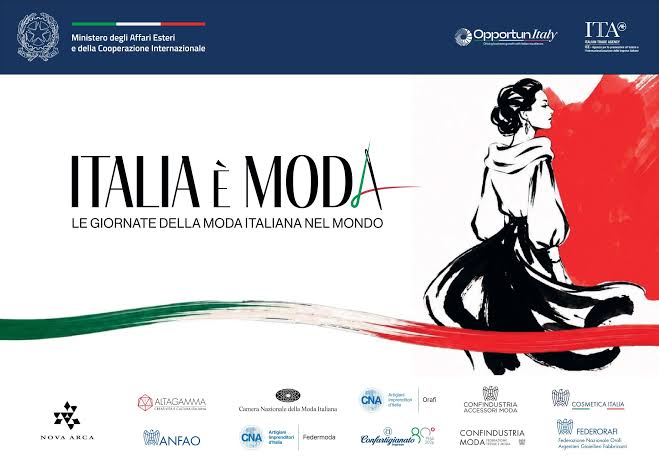
Purtroppo, concentrandosi semplicemente su questioni quali la cittadinanza, i passaporti, le elezioni dei Comites o dei rappresentanti delle comunità all’estero al Parlamento italiano, troppe persone hanno perso di vista l’importanza delle nostre comunità all’estero per l’economia del Paese ed è ora che gli italiani inizino ad apprezzare il potenziale di queste comunità e il modo in cui potrebbero costituire uno strumento fondamentale per rendere l’Italia una potenza economica ancora più grande.
Infine, le persone più perspicaci avranno notato che non ho menzionato l’aspetto più prestigioso dell’Italia e la sua importanza non solo in termini di crescita economica del Paese, ma anche in termini di relazioni tra l’Italia e i nostri parenti e amici all’estero: la nostra Cultura.
Questo argomento verrà affrontato nella parte finale della trilogia perché, sotto molti aspetti, la nostra cultura è al tempo stesso il tema più delicato e più doloroso da trattare: gli stereotipi sugli italiani diffusi sui social media, anche in Italia, hanno infatti solo banalizzato il nostro concetto di cosa significhi essere italiani, anziché far capire alle persone che sono eredi di un enorme patrimonio culturale che all’estero non viene realmente apprezzato, e possiamo cambiare questa percezione solo lavorando insieme come comunità internazionale…
The Italians around the world: Italy’s underappreciated resource. Part 2
by Gianni Pezzano
In the first part of this trilogy of articles we looked at the complex reality of the “Italiani nel mondo”, the Italians overseas, made up of migrants, their children and their descendants. But this article did not discuss one important fact, the promotion of Italian products that is the subject of this article, and the third part which will look at one specific aspect of Italy that is so important that it needs a separate article dedicated to it.
Before continuing, we must make an observation that puts this whole issue into context. The real profit for any country does not come from the local population, because this only means the redistribution of money from one section of the local population and economy to another, but from sales of products to other countries because these sales inject large sums into the country’s economy, with obvious benefits to all, starting with more employment for the population and greater profits for the local industries…
And in this Italy has a major advantage that up to now has not been appreciated as much as it should be and, even more importantly, used to the level that it deserves, the Italian communities around the world.
As the first article stated, migrating to another country does NOT mean that the migrants stop contributing to Italy’s economy. Almost every family of our migrants sent back money to the parents, brothers and sisters in Italy and these “rimesse” (remittances) have always been a huge source of overseas money for Italy’s economy.
The full reality of the sums of these remittances was revealed in the Italian Senate’s Osservatorio della politica internazionale (Observatory of International Politics) 2012 report titled “La risorsa emigrazione. Gli italiani all’estero tra percorsi sociali e flussi economici, 1945-2012 (Emigration as a resource: Italians overseas – Between social pathways and and economic flows, 1945–2012 ), edited by Michele Colucci.
The statistics for those vast sums of money in the decades after the Second World War are staggering and explain why Italian families overseas played a huge role in the country’s recovery from the war which laid the foundation to eventually become a member of the G7 group of economic superpowers.
The truth is that money played a huge role in Italy’s Economic Boom of the 1950s and ‘60s. Unfortunately, too many people in Italy have forgotten this or, worse still, never known about it.
And it must also be said that this is now happening even in Italy itself with the new migrants in the country, and the many articles on this subject I found on the subject only confirm how migrants do not forget their families in the countries of origin as they settle into their new countries.
Furthermore, the size of our population overseas described in the first article, at least 85-90 million people, in other words, one and a half times Italy’s current population, means that these overseas communities will continue to give contributions to Italy for long into the future.
It would be easy to say that the current contributions would be in the purchase of food products such as wine, food products of all sorts, etc., but this would only reflect the stereotypes that haunt the social media pages of the “Italiani nel mondo”.
Indeed, the products exported to other countries and often imported into countries by entrepreneurs of Italian origin and also bought by our relatives, as well as the locals, also include tiles, lighting, fashion, industrial machinery of all sorts, cars, and even airplanes and helicopters, to give only a brief glimpse into the products our country exports every year.
But this does not negate the fact indicated by the title of this article, that all too often entrepreneurs in Italy, and at times, even politicians, do not realize that the Italian communities overseas could play a much wider and more active role to the benefit of Italy’s economy, by promoting Italian products of all sorts in their countries of residence.
And this starts with the presence of countless Italian clubs and organizations with the clubrooms and facilities in many countries in every continent that could host major launches and promotions of new Italian products. In addition, these Italian organizations have three important advantages that will assist Italian companies in the sales of their products overseas.
The first advantage is the clubrooms of these organizations, which are often ideal for these activities, and they are found in major cities around the world. Even better, they are often regionally based, so each Italian Region already has places overseas ready to assist in the promotion of their products.
The second advantage is even more important, their intimate knowledge of the overseas markets because members of these organizations often already know the potential distributors and customers for the products in their cities, which would also mean that time is not lost in getting to know the territory and setting up a new market. And, of course, many of these would also be Italians…
The third advantage was also the subject of a recent article, the local Italians Festivals, etc., held in many cities around the world.
These festivals do not attract only Italians, but also many non-Italians, and so they too would be ideal for consolidating the formal launches of the new products.
But to do this, we, as a country, must understand that the “Italiani nel mondo” are not simply a reminder of waves of migration of the past but a reality of our present and future. And the proof of this is the numbers of descendants of our migrants from every continent who now come to Italy to find the origins of the parents, grandparents, great grandparents and even ancestors from well over a century ago.
Unfortunately, on focusing simply on issues such as citizenship, passports, the elections of Comites or representatives from overseas communities to Italy’s Parliament, too many people have lost sight of the importance of our communities overseas to the country’s economy and it is time that people in Italy started to appreciate the potential of these communities and how they could be a vital tool for making Italy an even greater economic power.
And finally, astute people will have noticed that I have not mentioned the most prestigious aspect of Italy and its importance not just in terms of Italy’s economic growth, but also in terms of the relations between Italy and our relatives and friends overseas, our Culture.
This will be discussed in the final part of the trilogy because, in many ways, our Culture is both the most delicate and the most painful subject to discuss because the stereotypes of Italians being spread on the social media, even in Italy, have only trivialized our concept of what it means to be Italian, rather than making people understand that they are the heirs to an enormous Cultural Heritage that is not really appreciated overseas and we can change that perception only by working together as an international community…


