
Diritti umani
Vaticano Zero Day e Intelligenza Artificiale: tecnologia human-centric, etica e futuro del significato -Vatican Zero Day and Artificial Intelligence: Human-Centric Technology, Ethics, and the Future of Meaning



Vaticano Zero Day e Intelligenza Artificiale: tecnologia human-centric, etica e futuro del significato
Di Prof. Gabriele Pao-Pei Andreoli, MD- Presidente Ethical AI – Italian League for Human Rights (LiDU) – Interlocutore referente presso la Pontificia Accademia di Teologia
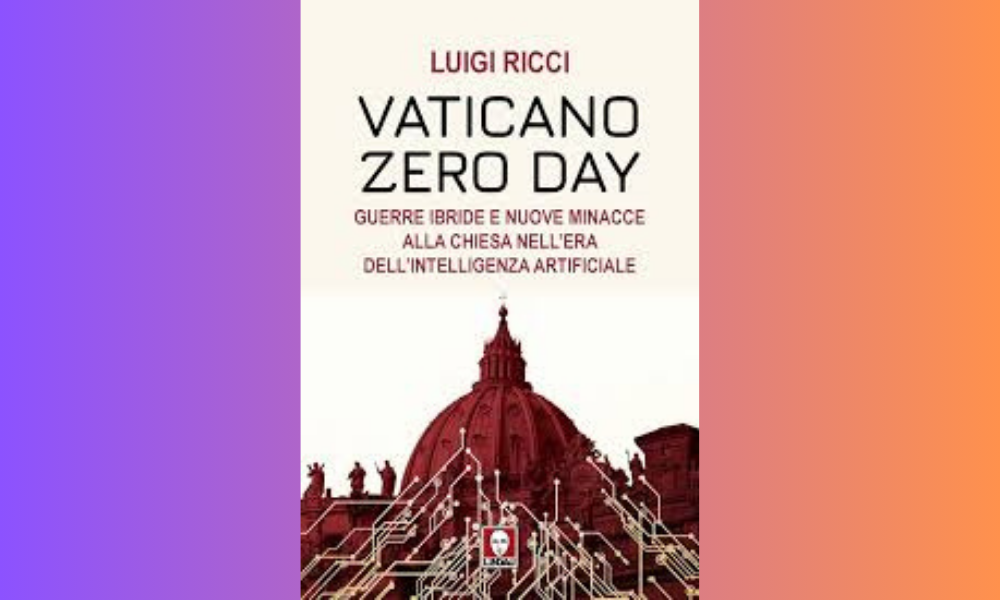
La pubblicazione di Vaticano Zero Day di Luigi Ricci si inserisce in uno dei dibattiti più urgenti del nostro tempo: il rapporto tra intelligenza artificiale, etica e identità umana.
In un’epoca in cui l’AI sta trasformando istituzioni, economie e processi cognitivi, l’opera offre una riflessione strategica su guerre ibride, minacce digitali e vulnerabilità del significato nell’era algoritmica.
Intelligenza artificiale e nuove forme di minaccia
Il libro evidenzia un cambiamento fondamentale: le minacce non sono più soltanto fisiche o geopolitiche, ma diventano:
* cognitive
* digitali
* narrative
Il concetto di “Zero Day”, mutuato dalla cybersecurity, indica vulnerabilità invisibili nei sistemi. Applicato alle istituzioni globali, mostra come anche realtà storicamente solide possano essere destabilizzate da:
* disinformazione
* manipolazione algoritmica
* guerre di narrazione
Le istituzioni fondate su autorità morale risultano quindi particolarmente esposte.
Tecnologia human-centric: ma quale essere umano?
Uno dei punti centrali riguarda il concetto di tecnologia human-centric. Questa espressione è oggi molto diffusa, ma raramente viene posta la domanda fondamentale:
quale uomo vogliamo mettere al centro della tecnologia?
Non è sufficiente una definizione generica o funzionale. La centralità dell’uomo non può essere ridotta a:
* usabilità
* efficienza
* personalizzazione
È necessario invece parlare di tecnologia human-centric etica e orientata ai valori.
L’uomo di riferimento è una persona dotata di:
* conoscenza
* consapevolezza
* capacità di discernimento
Non un semplice utente, ma un soggetto capace di comprendere e orientare la tecnologia.
Il ruolo della teologia nell’etica dell’AI
È qui che la teologia assume un ruolo decisivo. Nel contesto della Pontificia Accademia di Teologia, la persona umana è intesa non come dato, ma come essere dotato di:
* dignità
* interiorità
* relazionalità
La riflessione teologica consente di distinguere tra:
* intelligenza e sapienza
* dato e significato
* automazione e responsabilità
L’orientamento culturale e spirituale promosso dall’Accademia contribuisce a sviluppare una comprensione più profonda dell’essere umano, sia nella sua interiorità sia nella relazione con la comunità.
AI, etica e protezione del significato
Il rischio evidenziato da Vaticano Zero Day è quindi non solo tecnologico, ma antropologico. Se l’intelligenza artificiale influenza memoria, percezione e decisione, la sfida diventa:
* proteggere la dignità umana
* preservare il pensiero critico
* salvaguardare il significato
Il dibattito si sposta così dalla regolazione dei sistemi alla formazione dell’uomo.
Conclusione: oltre la tecnologia
Vaticano Zero Day non è un thriller, ma una riflessione strategica su intelligenza artificiale, etica e potere globale. Il suo messaggio è chiaro: il futuro dell’AI dipende non solo dai sistemi, ma dalla qualità dell’essere umano che li utilizza.
La vera domanda non è più: come proteggere i sistemi?
Ma: come proteggere l’umanità al loro interno?
Vatican Zero Day and Artificial Intelligence: Human-Centric Technology, Ethics, and the Future of Meaning
By Prof. Gabriele Pao-Pei Andreoli, MD – President, Ethical AI – Italian League for Human Rights (LiDU) – Liaison Representative to the Pontifical Academy of Theology
The publication of Vaticano Zero Day by Luigi Ricci contributes to one of the most urgent global debates: the relationship between artificial intelligence, ethics, and human identity.
At a time when AI is transforming institutions, economies, and cognition, this work provides a strategic reflection on hybrid warfare, digital threats, and the vulnerability of meaning in the algorithmic age.
Artificial Intelligence and the New Nature of Threats
The book introduces a key concept: modern threats are no longer only physical or geopolitical. They are cognitive, digital, and narrative.
The idea of “Zero Day,” borrowed from cybersecurity, refers to hidden vulnerabilities within systems. Applied to global institutions, it reveals a critical reality: even historically resilient entities can be destabilized by invisible forces such as:
* disinformation
* algorithmic manipulation
* narrative warfare
This makes institutions based on moral authority and symbolic influence, like the Vatican, particularly exposed.
Human-Centric Technology: But What Kind of Human?
One of the most relevant implications of the book concerns the concept of human-centric technology. Today, this expression is widely used in AI discourse. However, a fundamental question is often ignored:
Which human are we placing at the center of technology?
A purely functional or user-based definition is insufficient. Human-centric technology cannot be reduced to:
* usability
* efficiency
* personalization
Instead, it must be grounded in values, awareness, and responsibility. What is needed is therefore value-driven ethical human-centric technology—technology designed not just for humans, but for humans with knowledge, consciousness, and ethical discernment.
The Role of Theology in AI Ethics
This is where theology becomes essential. From the perspective of the Pontifical Academy of Theology, the human person is not merely a data subject, but a being endowed with:
* dignity
* interiority
* relational depth
Theological reflection helps distinguish between:
* intelligence vs. wisdom
* data vs. meaning
* automation vs. responsibility
In this context, the intellectual and spiritual guidance emerging from the Academy plays a key role in shaping a deeper understanding of the human being—both internally and within society.
AI, Ethics, and the Protection of Meaning
The real risk highlighted by Vaticano Zero Day is not only technological, but anthropological. If artificial intelligence begins to shape perception, memory, and decision-making, then the central challenge becomes:
* protecting human dignity
* preserving critical thinking
* safeguarding meaning
This shifts the debate from technology governance to human formation.
Conclusion: Beyond Technology
Vaticano Zero Day is not a fictional thriller, but a strategic reflection on AI, ethics, and global power. Its message is clear: The future of artificial intelligence depends not only on systems, but on the quality of the human being interacting with them.
The real question is no longer: How do we protect systems?
But rather: How do we protect humanity within them?


