
Attualità
L’Europa del fare innovazione: da Cernobbio al Vaticano, il valore della fiducia-Europe Driving Innovation: From Cernobbio to the Vatican, the Value of Trust

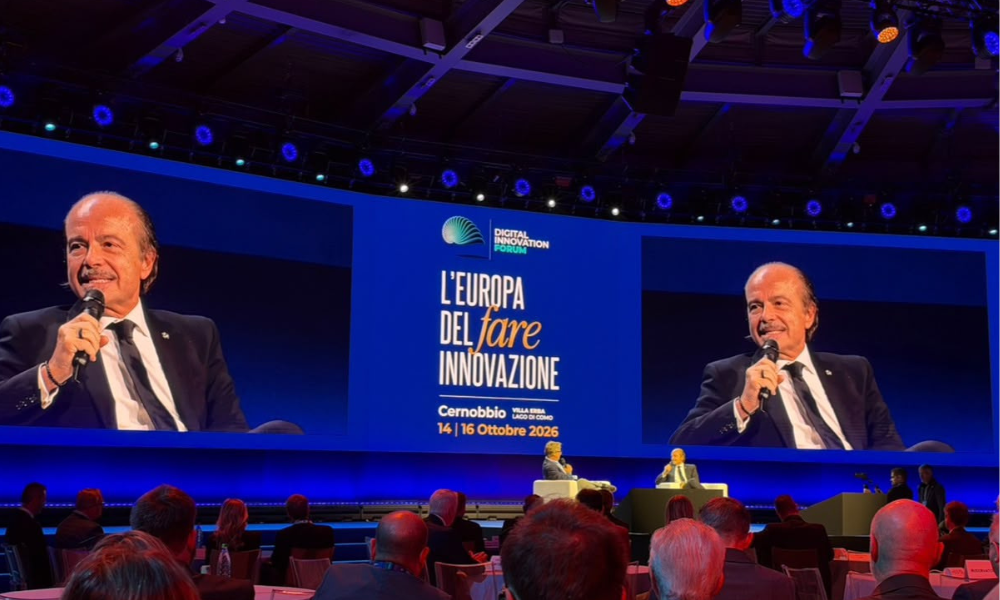


L’Europa del fare innovazione: da Cernobbio al Vaticano, il valore della fiducia
Il messaggio di Papa Leone XIV, gli interventi di Urso e Butti e il contributo dell’IASC su quantum, intelligenza artificiale e pubblica amministrazione, in vista del Multiverse of Trust del 22 ottobre.
di Prof. Gabriele Pao-Pei Andreoli
L’innovazione deve essere al servizio della persona. È il richiamo che il messaggio di Papa Leone XIV ha portato all’apertura del Digital Innovation Forum, a Villa Erba, sul Lago di Como. La quarta edizione della manifestazione, in programma dal 14 al 16 ottobre sotto il titolo «L’Europa del fare innovazione», riunisce istituzioni, imprese, università e protagonisti della trasformazione tecnologica.
Partecipo al Forum come presidente dell’Institute for Advanced Studies and Cooperation (IASC), autore di The Post-Quantum Constitution e relatore sui temi delle tecnologie quantistiche, della quantum AI e della pubblica amministrazione. Porto a questo confronto una convinzione: preparare il futuro tecnologico richiede competenze scientifiche, responsabilità istituzionale e attenzione alla dignità umana.
Il messaggio del Santo Padre
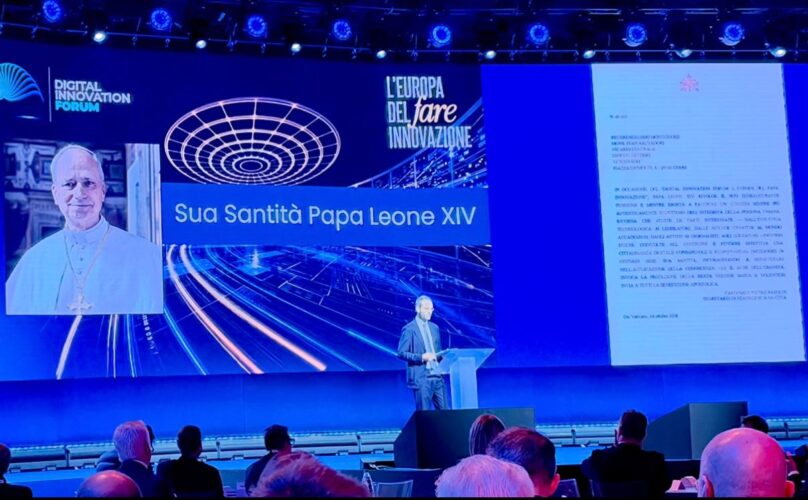
Nel testo proiettato in sala, datato 14 ottobre e firmato dal cardinale Pietro Parolin, il Pontefice esorta a favorire «un servizio sempre più autenticamente rispettoso dell’integrità della persona umana». Incoraggia inoltre l’applicazione della conoscenza per il bene dell’umanità e invia ai partecipanti la Benedizione Apostolica.
Il messaggio richiama l’invito, già espresso per la Giornata mondiale delle comunicazioni sociali, a costruire una «cittadinanza digitale consapevole e responsabile». Un compito che coinvolge industria tecnologica, legislatori, mondo accademico, professioni creative, giornalisti ed educatori. Nessun settore può affrontare da solo la responsabilità di questa trasformazione.
Per chi lavora nella ricerca e nella cooperazione internazionale, queste parole invitano a interrogarsi non soltanto su ciò che una tecnologia permette di realizzare, ma su chi ne beneficia, chi rischia di rimanerne escluso e chi risponde delle sue conseguenze.
Urso e Butti: il confronto con le istituzioni
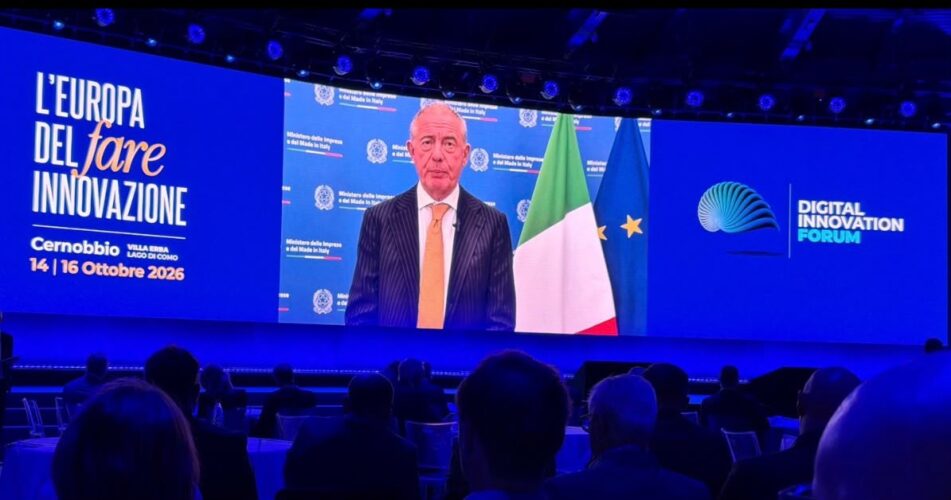
Al messaggio pontificio è seguito il videointervento di Adolfo Urso, ministro delle Imprese e del Made in Italy, che ha richiamato il valore dell’interdisciplinarità e l’impatto delle nuove tecnologie. È un’attenzione che considero essenziale: ricerca, formazione e sistema produttivo devono potersi confrontare sulle opportunità economiche e sulle implicazioni sociali dell’innovazione.
Ho seguito con particolare interesse anche la successiva intervista al senatore Alessio Butti, sottosegretario alla Presidenza del Consiglio con delega all’innovazione tecnologica. Per me, il valore di questo dialogo risiede nella possibilità di avvicinare la visione tecnologica alla responsabilità delle decisioni pubbliche.
L’Europa del “fare” deve saper tradurre le proprie ambizioni in collaborazione, investimenti e risultati comprensibili ai cittadini. Competitività e responsabilità non sono obiettivi contrapposti: devono rafforzarsi reciprocamente.
Quantum, AI e pubblica amministrazione
Il 15 ottobre presiederò e modererò il tavolo sulle tecnologie di frontiera dedicato a quantum computing, supercalcolo e blockchain. Nel mio contributo, l’attenzione alla quantum AI — l’incontro tra tecnologie quantistiche e intelligenza artificiale — si accompagna alla domanda su come preparare le istituzioni a queste trasformazioni.
È una prospettiva che sviluppo in The Post-Quantum Constitution: il progresso tecnologico deve essere accompagnato da garanzie per la dignità della persona, il giudizio umano e la responsabilità di chi esercita il potere. La fiducia va costruita fin dalla progettazione, non richiesta soltanto al momento dell’adozione.
Per la pubblica amministrazione, ritengo essenziale distinguere le potenzialità della ricerca dalle soluzioni effettivamente disponibili. Occorre formare competenze, proteggere le informazioni e mantenere comprensibili e verificabili le decisioni. Quando si tratta dell’accesso a un servizio o dell’utilizzo dei dati dei cittadini, l’efficienza non può essere l’unico criterio.
Il 21 ottobre a Roma, il 22 in Vaticano
Queste riflessioni accompagnano il nostro cammino verso Multiverse of Trust in the Quantum Era, l’appuntamento IASC World Changers previsto il 22 ottobre 2026 alla Casina Pio IV, nella Città del Vaticano. L’incontro è dedicato al rapporto tra tecnologie di frontiera, fiducia e sviluppo umano, attraverso il confronto tra ricerca, innovazione e istituzioni.
Per noi, costruire fiducia significa creare le condizioni perché persone di discipline, culture e sensibilità diverse possano lavorare insieme, con rispetto per le evidenze e apertura al dialogo. Non chiediamo alla scienza di ridurre la propria ambizione, ma di mantenerla in relazione con i bisogni delle persone.
Il 21 ottobre, a Roma, nella basilica di Santa Maria in Montesanto, la Chiesa degli Artisti, noi World Changers dedicheremo al Santo Padre una speciale preghiera per la sua guarigione, alla vigilia dell’incontro in Vaticano. Sarà un momento di raccoglimento, gratitudine e vicinanza, unendoci a quanti in questi giorni pregano per la sua salute e per la sua missione.
Da Cernobbio al Vaticano, porteremo con noi questo impegno: trasformare la conoscenza in un bene condiviso. La fiducia si costruisce quando la centralità della persona diventa riconoscibile nelle nostre scelte.
Europe Driving Innovation: From Cernobbio to the Vatican, the Value of Trust
Pope Leo XIV’s message, contributions from Urso and Butti, and IASC’s perspective on quantum technologies, artificial intelligence and public administration, ahead of the Multiverse of Trust gathering on 22 October.
By Prof. Gabriele Pao-Pei Andreoli
Innovation must serve people. This was the central reminder conveyed by Pope Leo XIV’s message at the opening of the Digital Innovation Forum at Villa Erba, on Lake Como. Taking place from 14 to 16 October, the Forum’s fourth edition brings together institutions, businesses, universities and leaders in technological change under the theme “L’Europa del fare innovazione” — Europe Driving Innovation.
I am participating in the Forum as President of the Institute for Advanced Studies and Cooperation (IASC), author of The Post-Quantum Constitution, and a speaker on quantum technologies, quantum AI and public administration. I bring to these discussions a conviction: preparing for our technological future requires scientific expertise, institutional responsibility and respect for human dignity.
The Holy Father’s message
The message displayed at the Forum, dated 14 October and signed by Cardinal Pietro Parolin, calls for service that genuinely respects the integrity of the human person. It also encourages the application of knowledge for the good of humanity and conveys the Holy Father’s Apostolic Blessing to participants.
The text recalls the appeal, already expressed in the Pope’s message for World Communications Day, to build “informed and responsible digital citizenship”. This task involves the technology industry, lawmakers, academia, creative professions, journalists and educators. No single sector can bear responsibility for this transformation alone.
For those working in research and international cooperation, these words invite us to consider not only what a technology makes possible, but who benefits, who risks being excluded and who remains accountable for its consequences.
Urso and Butti: dialogue with public institutions
The papal message was followed by a video address from Adolfo Urso, Italy’s Minister of Enterprises and Made in Italy, who highlighted interdisciplinary cooperation and the impact of emerging technologies. I consider this emphasis essential: research, education and industry need opportunities to address both the economic potential and the social implications of innovation.
I also followed with particular interest the subsequent interview with Senator Alessio Butti, Undersecretary to the Presidency of the Council of Ministers with responsibility for technological innovation. For me, the value of this dialogue lies in bringing technological vision closer to the responsibilities involved in public decision-making.
A Europe committed to action must translate its ambitions into cooperation, investment and results that citizens can understand. Competitiveness and responsibility are not opposing objectives: they should reinforce one another.
Quantum, AI and public administration
On 15 October, I will chair and moderate the working session on frontier technologies, covering quantum computing, high-performance computing and blockchain. In my contribution, the focus on quantum AI — the convergence of quantum technologies and artificial intelligence — is accompanied by the question of how institutions should prepare for these changes.
This is a perspective I develop in The Post-Quantum Constitution: technological progress must be accompanied by safeguards for human dignity, human judgement and the accountability of those who exercise power. Trust should be built into systems from the design stage, not requested only when they are introduced.
For public administration, I believe it is essential to distinguish the potential of research from solutions that are actually available. We need to develop expertise, protect information and keep decisions understandable and open to scrutiny. When access to a service or the use of citizens’ data is at stake, efficiency cannot be the only criterion.
Rome on 21 October, the Vatican on 22 October
These reflections accompany our preparations for Multiverse of Trust in the Quantum Era, the IASC World Changers gathering scheduled for 22 October 2026 at Casina Pio IV in Vatican City. The meeting will explore the relationship between frontier technologies, trust and human flourishing through dialogue among researchers, innovators and institutional representatives.
For us, building trust means creating the conditions for people from different disciplines, cultures and perspectives to work together, with respect for evidence and openness to dialogue. We do not ask science to diminish its ambition, but to keep that ambition connected to human needs.
On 21 October, at the Basilica of Santa Maria in Montesanto in Rome, known as the Church of the Artists, we World Changers will offer a special prayer for the Holy Father’s recovery, on the eve of our Vatican gathering. It will be a moment of reflection, gratitude and solidarity, joining those who are praying for his health and his mission.
From Cernobbio to the Vatican, we will carry forward this commitment: to turn knowledge into a shared good. Trust grows when respect for the human person becomes visible in the decisions we make.


