
Diritti umani
La storia, maestra di vita, e quel processo di pace mai avviato tra ebrei e arabi-History, the teacher of life, and that peace process between Jews and Arabs that never got started

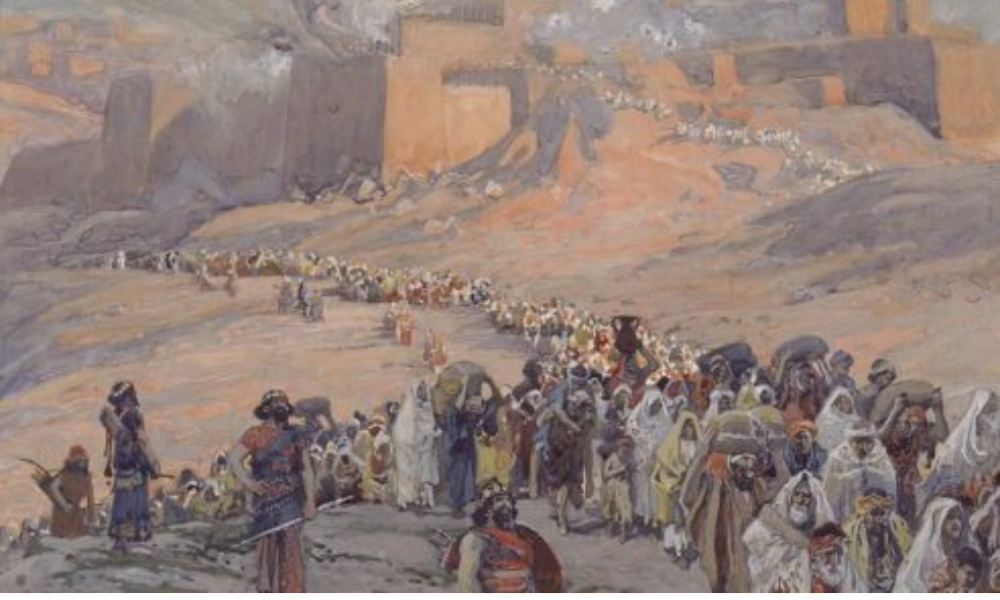


La storia, maestra di vita, e quel processo di pace mai avviato tra ebrei e arabi
di Marco Andreozzi
“Buon viaggio”. Così Tiziano Terzani nel suo ultimo messaggio. Non sapevo fosse già molto malato. Chissà dove si trovava allora: forse sui monti dell’Orsigna, nell’Appennino pistoiese che aveva eletto a rifugio dell’anima, o sopra le nuvole dell’Himalaya, dove andava a meditare e a ‘curarsi’. Giornalista, scrittore e viaggiatore straordinario, Terzani colpiva per la sua capacità di “sentire la storia”, espressione che usò raccontando il viaggio dalla Siberia a Mosca mentre l’impero sovietico stava crollando. Da quell’esperienza nacque Buonanotte, signor Lenin, testimonianza intensa dalle ex repubbliche socialiste sovietiche, terre allora dimenticate dalla storia. Lui, che per lungo tempo era stato profondamente ‘di sinistra’, non esitò ad ammettere di essersi sbagliato.
La brezza della storia si avverte quando la geografia si intreccia con il viaggio: quando si percorrono nuovi territori con attenzione antropologica e autentica curiosità. La letteratura di viaggio offre esempi straordinari e resta una palestra insostituibile di comprensione del mondo. Vengono in mente la lucidità di Ryszard Kapuściński e l’inquieta immaginazione di Bruce Chatwin, contemporanei di Terzani, fiorentino come l’antropologo ed orientalista Fosco Maraini, anch’egli grande narratore di “endo” ed “eso” cosmi. Tra gli inglesi di un secolo fa, pionieri del genere, spicca D.H. Lawrence, ad esempio con Mare e Sardegna (1921), opera lirica e introspettiva.
«Historia vero testis temporum, lux veritatis, vita memoriae, magistra vitae, nuntia vetustatis»: la storia è testimone dei tempi, luce della verità, vita della memoria, maestra di vita, messaggera dell’antichità. Così scriveva Marco Tullio Cicerone. Un esempio limpido di questa lezione si ritrova ne La via per l’Oxiana di Robert Byron, resoconto di un viaggio compiuto nel 1932 verso le regioni tra Persia e Afghanistan. Transoxiana è il nome antico delle terre a nord del Khorāsān persiano e del fiume Oxus (Amu Darya), regione riscoperta dai recenti studi sulla Via della Seta. Un’Asia Centrale impregnata di influenze ellenistiche e del mondo indiano-buddista sta emergendo quale vero contraltare all’impero romano, snodo fondamentale per la storia dell’Asia e dell’Estremo Oriente.
Scrive Byron da Gerusalemme, il 7 settembre: “Poi si è parlato di Arlosorov, il capo politico ebreo ucciso sulla spiaggia di Jaffa…Si presume che I sicari appartenessero al movimento dei Revisionisti ebrei, un partito estremista che si prefigge di cacciare gli inglesi e di costituire uno stato ebraico. Vorrei sapere per quanto tempo s’immaginano che gli arabi sopporterebbero l’esistenza di un solo ebreo, una volta partiti gli inglesi…Gli ho chiesto se non fosse vantaggioso per gli ebrei conciliarsi gli arabi, anche a costo di qualche sacrificio, per assicurarsi la pace in avvenire. Il signor Gordon ha risposto di no. L’unica base possibile di un’intesa arabo-ebraica stava nella comune opposizione agli inglesi, che dal canto loro i capi ebraici non volevano incoraggiare. «Se il Paese deve essere modernizzato, gli arabi devono soffrire perché non amano la modernizzazione».” Ipse dixit, direbbe ancora Cicerone. La storia, ancora una volta, parla a chi sa ascoltarla. E vi è inoltre una notazione interessante: “L’altra spina nel fianco del signor Gordon sono gli italiani...Gli italiani offrono a tutti i palestinesi la possibilità di studiare gratuitamente a Roma. E per giunta riduzioni sul passaggio marittimo.” Era l’Italia fascista.
History, the teacher of life, and that peace process between Jews and Arabs that never got started
by Marco Andreozzi
“Safe journey.” So wrote Tiziano Terzani in his last message. I didn’t know he was already very sick. Who knows where he was then: perhaps in the mountains of Orsigna, in the Pistoia Apennines of Tuscany, which he had chosen as a refuge for his soul, or above the clouds of the Himalayas, where he went to meditate and “heal” himself. A journalist, writer, and extraordinary traveler, Terzani was striking for his ability to “feel history,” an expression he used when recounting his journey from Siberia to Moscow as the Soviet empire was collapsing. From that experience came Goodnight, Mr. Lenin, a powerful testimony from the former Soviet Socialist Republics, lands then forgotten by history. Terzani, who had long been a deeply ‘leftist’, did not hesitate to admit he was wrong.
The breeze of history is felt when geography intertwines with travel: when one explores new territories with anthropological attention and genuine curiosity. Travel literature offers extraordinary examples and remains an irreplaceable training ground for understanding the world. The lucidity of Ryszard Kapuściński and the restless imagination of Bruce Chatwin come to mind, both contemporaries of Terzani, a Florentine like the anthropologist and orientalist Fosco Maraini, also a great narrator of “endo” and “exo” cosmoses. Among the Englishmen of a century ago, pioneers of the genre, D.H. Lawrence stands out, e.g. with his lyrical and introspective work, Sea and Sardinia (1921).
“Historia vero testis temporum, lux veritatis, vita memoriae, magistra vitae, nuntia vetustatis”: history is the witness of the times, the light of truth, the life of memory, the teacher of life, the messenger of antiquity. So wrote Marcus Tullius Cicero. A clear example of this lesson is found in Robert Byron’s The Road to Oxiana, the account of a journey he made in 1932 to the regions between Persia and Afghanistan. Transoxiana is the ancient name for the lands north of Persian Khorasan and the Oxus River (Amu Darya), a region rediscovered by recent studies on the Silk Road. A Central Asia steeped in Hellenistic and Indian-Buddhist influences is emerging as a true counterpoint to the Roman Empire, a key hub in the history of Asia and the Far East.
Byron wrote from Jerusalem on September 7: “Then there was talk of Arlosorov, the Jewish political leader killed on the beach at Jaffa…It is assumed that the assassins belonged to the Jewish Revisionist movement, an extremist party aiming to expel the English and establish a Jewish state. I would like to know how long they imagined the Arabs would tolerate the existence of a single Jew, once the English had left… I asked him if it would not be advantageous for the Jews to reconcile the Arabs, even at the cost of some sacrifice, to ensure peace in the future. Mr. Gordon replied in the negative. The only possible basis for an Arab-Jewish understanding lay in their common opposition to the English, which the Jewish leaders, for their part, did not wish to encourage. «If the country is to be modernized, the Arabs must suffer because they do not like modernization».” Ipse dixit (“he said it himself”), Cicero would say again. History, once again, speaks to those who know how to listen. And there’s also an interesting note: “The other thorn in Mr. Gordon’s side is the Italians…The Italians offer all Palestinians the opportunity to study for free in Rome. And, to boot, they offer discounts on sea passage.” It was Fascist Italy.
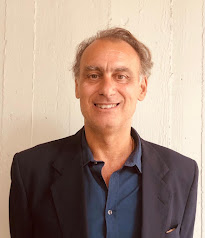
Marco Andreozzi, è Dottore in Ingegneria Meccanica, Economia/Amministrazione (Politecnico di Torino). Tecnologo industriale e specialista del settore energetico, proviene da esperienze professionali in cinque multinazionali in Italia e paesi extra-europei, e come direttore generale da un quarto di secolo; nomade digitale dal 2004 al 2019, e’ sinologo, parla correntemente il mandarino e in Cina e’ stato docente a contratto.
Marco Andreozzi, is a Doctor in Mechanical Engineering, Economics/Administration (Polytechnic of Turin). Industrial technologist and specialist in the energy sector, he comes from professional practices in five corporates in Italy and non-European countries, and as managing director for a quarter of a century; digital nomad from 2004 to 2019, he is a sinologist, speaks fluent Mandarin and was a visiting professor in China.


