
Italiani nel Mondo
La generazione di grandi artisti che ha cambiato l’Italia – The generation of great artists that changed Italy


La generazione di grandi artisti che ha cambiato l’Italia
L’Italia è sempre stata un Paese in cui la musica di ogni genere ha svolto un ruolo importante, non solo nello sviluppo della nostra cultura, ma anche nella nostra storia, poiché la musica era spesso un mezzo per registrare eventi o trasmettere messaggi, sia politici, sociali o anche religiosi.
E questo è diventato ancora più evidente nei decenni successivi alla Seconda guerra mondiale, quando l’Italia si è trasformata da un Paese che all’inizio del XX secolo era finalmente uscito dal feudalesimo in molte regioni, aveva sofferto durante quasi 20 anni di dittatura ed era stato devastato da quattro guerre in trent’anni, fino a diventare una delle economie più potenti del mondo.
E durante quegli anni burrascosi, la musica ha segnato ogni occasione importante.
Ecco perché l’Italia è stata così rattristata questo mese, prima dalla scomparsa delle gemelle Kessler, Alice ed Ellen, il 17, e poi dalla scomparsa della grande cantante Ornella Vanoni il 21 ottobre.
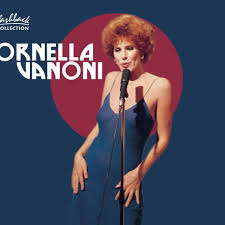
Rendiamo omaggio a queste artiste con i video qui sotto, affinché i nostri lettori d’oltreoceano possano vederle all’apice delle loro rispettive carriere, ma esse sono solo la punta di un iceberg culturale molto importante.
Ornella Vanoni e le gemelle di origine tedesca hanno fatto parte di una rivoluzione culturale che ha visto enormi cambiamenti nel Paese dopo l’introduzione della televisione nel 1954, in particolare attraverso i programmi di varietà del sabato e della domenica sera che hanno trasformato la cultura del Paese.
Questi programmi includevano anche il popolarissimo Festival della Canzone Italiana di Sanremo e poi il concorso televisivo Canzonissima, che ha lanciato cantanti che sono poi diventati icone di grande impatto sul Paese.
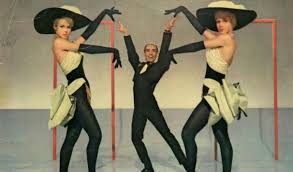
Le loro canzoni, e anche delle ballerine, a cominciare dai costumi allora molto provocatori indossati dalle gemelle Kessler e poi da altri artisti, tra cui Raffaella Carrà, hanno cambiato la società italiana sfidando i costumi precedenti che dominavano il Paese cattolico.
Ornella Vanoni, Ti darò di più
Questa rivoluzione iniziò nel 1949 con Renato Carosone, che mescolò testi con una forte influenza napoletana con musica ispirata al blues introdotto dalle truppe americane che occupavano Napoli durante la guerra, musica che era stata bandita perché considerata “decadente” durante la dittatura.
Altri due artisti continuarono questa tendenza con radici americane: il primo fu Fred Buscaglione, seguito da Adriano Celentano che, con la sua “Il tuo bacio è come il rock” presentata al Festival di Sanremo del 1959, creò il genere del rock and roll italiano.
In effetti, questi tre grandi artisti diedero il via alla colonna sonora che accompagnò gli enormi cambiamenti del Paese nei decenni successivi alla guerra.
E la musica straniera continuò a influenzare cantanti e cantautori italiani, compresa la musica araba che ispirò molte delle canzoni scritte e cantate da Franco Battiato.
Durante gli anni ’50, ’60 e ’70, l’Italia ha prodotto una generazione di cantanti e interpreti davvero grandi, come l’uomo oggi considerato il più grande dei cantautori, Fabrizio de André, la cui ispirazione iniziale proveniva dalla musica francese, in particolare Georges Brassens, Domenico Modugno, Lucio Battisti, Lucio Dalla, Gino Paoli, Luigi Tenco, Gianni Morandi e Raimondo Vianello, solo per citare alcuni dei cantanti maschi.
Le gemelle Kessler, La notte è piccola
Oltre a Ornella Vanoni, le cantanti donne erano numerose, a cominciare dalla grande Mina, Iva Zanicchi, Rita Pavone, Raffaella Carrà, Marcella Bella, Loretta Goggi, Loredana Berté e sua sorella Mia Martini, Alice e Milva, solo per citarne alcune.
E questa generazione di grandi interpreti ha avuto anche altri protagonisti, a cominciare da Giulio Rapetti, nome d’arte Mogol, senza dubbio il più grande paroliere italiano che ha scritto canzoni per innumerevoli cantanti italiani e persino gruppi rock, molte delle quali sono diventate successi internazionali in molte lingue.
Senza dimenticare altri due nomi che devono essere citati quando si parla di questa rivoluzione artistica. Il primo è Antonio Falqui, ideatore, regista e autore di molti degli spettacoli della RAI TV dagli anni ’50 agli anni ’80 che hanno fornito le piattaforme che hanno lanciato la carriera di questi artisti. Il secondo è il ballerino e coreografo italo-americano Don Lurio, che non solo si esibiva davanti alle telecamere, spesso negli spettacoli di Falqui, ma creava anche le danze e le sequenze che hanno così incantato il pubblico italiano.
Ornella Vanoni, Domani è un altro giorno
Tuttavia, la musica da sola non era sufficiente a cambiare il Paese. Il potere delle canzoni derivava anche dai testi, che non solo riflettevano le emozioni del pubblico, ma commentavano anche i cambiamenti all’interno del Paese.
In questo modo Domenico Modugno non scrisse solo d’amore con “Volare”, ma anche della tragedia della morte di un amico suicida in “Vecchio Frac”, censurata dalla Rai proprio a causa di questo tema. Nel 1966 Adriano Celentano cantò ciò che oggi chiamiamo ecologia nella sua autobiografica “Il Ragazzo della via Gluck”, che divenne l’inno internazionale degli ambientalisti quando fu cantata da Verdelle Smith con il titolo “Tar and cement” e divenne un successo internazionale.
Infatti, Fabrizio de André, Francesco De Gregori, Lucio Dalla e molti altri cantanti italiani hanno cantato e scritto su molti temi, tra cui la prostituzione e le questioni politiche e sociali che hanno ispirato la rivolta del 1968 in Italia e in altri paesi europei. E anche l’idolo delle adolescenti Gianni Morandi ha cantato una canzone importante, “C’era un ragazzo che, come me, amava i Beatles e i Rolling Stones”, come protesta contro la guerra del Vietnam.
Queste canzoni sono diventate documenti importanti della storia del nostro Paese che non devono scomparire con le nuove generazioni.
Troppi di questi cantanti ci hanno già lasciato, e quindi la scomparsa di Ornella Vanoni e delle gemelle Kessler dovrebbe servire a ricordare a tutti noi che questa generazione di grandi cantanti, parolieri e musicisti è destinata a scomparire da questo mondo nel prossimo futuro.
Pertanto, come Paese, abbiamo il dovere di mantenere viva la memoria di questi grandi artisti che hanno contribuito alla grandezza della nostra cultura anche in futuro, perché, sotto ogni aspetto, il loro lavoro è stato importante per la creazione dell’Italia moderna e questo merita di essere ricordato.
Inoltre, se qualcuno vuole davvero capire l’Italia moderna, non c’è niente di meglio che ascoltare la musica italiana degli ultimi decenni. E questo sarebbe un ottimo motivo per imparare l’italiano all’estero, a cominciare dai discendenti degli immigrati italiani di oltre 160 anni fa…
The generation of great artists that changed Italy
Italy has always been a country where music of every kind has played an important role, not just in the development of our Culture, but even in our history because music was often a means of recording events, or to convey messages, whether political, social, or even religious.
And this became even more marked in the decades after World War Two, when Italy was transformed from a country that finally emerged from feudalism at the start of the 20th century in many regions, suffered during nearly 20 years of dictatorship, and was devasted by four wars in thirty years, to become one of the most powerful economies in the world.
And during those stormy years, music marked every important occasion.
This is why Italy was so saddened this month, first by the passing of the Kessler twins, Alice and Ellen, on the 17th, and then by the passing of the great singer Ornella Vanoni on the 21st.
We pay tribute to these performers with the videos (with subtitles in English) below so that our overseas readers will see them at the peak of their respective careers, but they are only the tip of a very important cultural iceberg.
Ornella Vanoni and the German born twins were part of a cultural revolution that saw enormous changes in the country after the introduction of television in 1954, particularly through variety shows on Saturday and Sunday evenings that transformed the Culture of the country.
These programmes also included the highly popular San Remo Festival of Italian Music and then the Canzonissima television competition that introduced singers who went on to become icons who had a huge impact on the country.
Their songs, and even the dancers, starting with what were then very provocative costumes worn by the Kessler twins, and then other performers, including Raffaella Carrà, changed Italian society by challenging the previous mores that dominated the Catholic country.
Ornella Vanoni, Ti darò di più (I will give you more)
This revolution began in 1949 with Renato Carosone who mixed lyrics with a very strong Neapolitan influence with music inspired by the Blues introduced by the American troops occupying Naples during the war, music that had been banned as “decadent” during the dictatorship.
And then two other artists continued this trend with American roots, the first was Fred Buscaglione, and then Adriano Celentano who, with his “Il tuo bacio è come il rock” (Your kiss is like a rock) that he presented at the 1959 San Remo Festival, created the genre of Italian rock and roll.
Effectively, these three great performers started the soundtrack of music that accompanied the enormous changes in the country in the decades following the war
And foreign music continued to influence Italian singers and songwriters, including the Arab music that inspired many of the songs written and sung by Franco Battiato.
During the ‘50s, ‘60s and ‘70s, Italy produced a generation of truly great singers and performers, such as the man now considered the greatest of the “cantautori” (singer-songwriters), Fabrizio de André, whose initial inspiration came from French music, particularly Georges Brassens, Domenico Modugno, Lucio Battisti, Lucio Dalla, Gino Paoli, Luigi Tenco, Gianni Morandi and Raimondo Vianello, to name just a few of the male singers.
The Kessler twins, La notte è piccola (The night is young)
In addition to Ornella Vanoni, the female singers were almost as many, starting with the great Mina, Iva Zanicchi, Rita Pavone, Raffaella Carrà, Marcella Bella, Loretta Goggi, Loredana Berté and her sister Mia Martini, Alice, and Milva to name just a few.
And this generation of great performers also had other protagonists, starting with Giulio Rapetti, nom de plume Mogol, undoubtedly Italy’s greatest lyricist who wrote songs for countless Italian singers and even rock groups, many of which became international hits in many languages.
Without forgetting two other two names that must be mentioned when we talk about this artistic revolution. The first is Antonio Falqui, creator, director and writer of many of the shows on RAI TV from the 1950s to the 1980s that provided the platforms that launched the careers of these artists. The second is the Italian American dancer and choreographer Don Lurio, who not only performed in front of the cameras, often in Falqui’s shows, but also created the dances and sequences that so enchanted the Italian public.
Ornella Vanoni, Domani è un altro giorno (Tomorrow will be another day)
However, the music on its own was not enough to change the country. The power of the songs also came from the lyrics which not only reflected the emotions of the public but also commented the changes within the country.
In this way Domenico Modugno did not write only about love with “Volare”, but also the tragedy of the death of a friend by suicide in “Vecchio Frac” censored by Rai precisely due to this theme. In 1966, Adriano Celentano sang about what we now call ecology in his autobiographical “Il Ragazzo della via Gluck” which became the international hymn for environmentalists when sung by Verdelle Smith as “Tar and cement” that became an international hit.
In fact, Fabrizio de André, Francesco De Gregori, Lucio Dalla and many other Italian singers sang and wrote on many issues including prostitution and the political and social issues that inspired the 1968 revolt in Italy and other European countries. And even the teenage heartthrob Gianni Morandi sang an important song “C’era un ragazzo che, come me, amava i Beatles e i Rolling Stones” (There was a young man who, like me, loved the Beatles and the Rolling Stones), as a protest against the Vietnam War.
And these songs have become important documents of our country’s history that must not disappear with the new generations.
Too many of these singers have already left us, and so the passing of Ornella Vanoni and the Kessler twins should serve as a reminder to us all that this generation of great singers, lyricists, and musicians is destined to disappear from this world in the near future.
Therefore, as a country, we have a duty to keep the memory of these great artists who contributed to the greatness of our Culture alive well into the future because, in every way, their work was important for creating modern Italy and this deserves to be remembered.
Furthermore, if anyone really wants to understand modern Italy, they would do worse than to listen to Italian music over the decades. And this would be an excellent reason for people overseas to learn Italian, starting with descendants of Italian migrants over more than 160 years…


