
Italiani nel Mondo
I nostri parenti e amici all’estero e cosa significano per l’Italia PARTE 1-Our relatives and friends overseas and what they mean to Italy PART 1


I nostri parenti e amici all’estero e cosa significano per l’Italia PARTE 1
Nella rubrica “Italiani nel Mondo” facciamo spesso riferimento ai nostri parenti e amici all’estero, ma cosa significa in concreto questo?
La domanda può sembrare banale ad alcuni, ma la risposta è complicata e, purtroppo, molte persone pensano agli italiani all’estero in termini di stereotipi che spesso non seguono la storia del Paese che non esisteva prima del 1861…
Comprendere questo ci aiuta a capire che l’Italia ha risorse in tutto il mondo che ancora non comprende né apprezza.
Il fatto è che sono pochissime le famiglie e nessuna le città in Italia che non abbiano avuto membri emigrati in altri paesi per una serie di motivi. Questa migrazione è iniziata ben prima che l’Italia diventasse una nazione indipendente e, inoltre, molte persone della nostra penisola hanno anche svolto un ruolo attivo nell’esplorazione del mondo.
Questa migrazione è diventata un fenomeno di massa nel XIX secolo, al tempo dell’Unità d’Italia, con le prime grandi ondate che, sorprendentemente, non provenivano dal sud, come molti credono, ma dal nord. La migrazione di massa dal sud è iniziata circa vent’anni dopo.
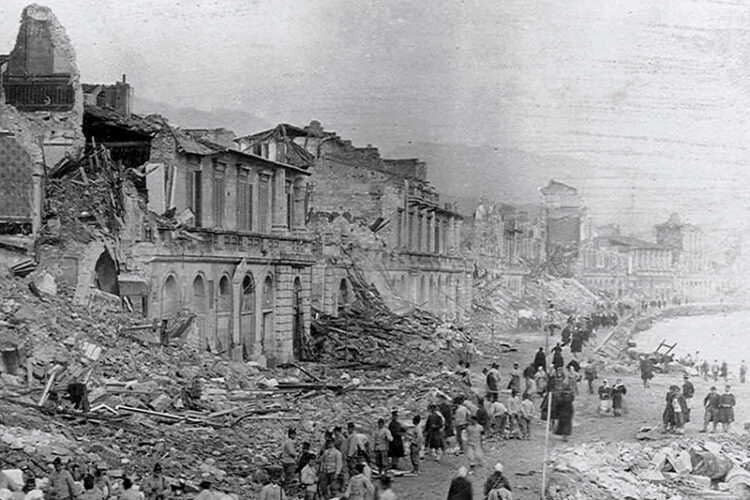
Le ragioni principali delle ondate migratorie andavano dai grandi disastri, come il forte terremoto che colpì Messina nel 1908, alle ondate migratorie seguite alla devastazione di intere parti d’Italia durante le due guerre mondiali. Tuttavia, questi due periodi raccontano solo una parte della storia della nostra migrazione.
E quando guardiamo alle prime ondate di migrazione di massa dopo l’Unità d’Italia, è necessario considerare il contesto della società italiana dell’epoca, perché troppe persone non si rendono conto che l’Italia nel suo complesso, e non solo il Sud, era una società feudale e che la maggior parte della popolazione viveva in condizioni che oggi pochi potrebbero comprendere, figuriamoci tollerare.
E non partivano solo “per lavoro”, infatti in quei territori c’era molto lavoro, ma ciò che mancava nella loro vita era la dignità di un’occupazione retribuita con diritti garantiti a un salario equo, condizioni di lavoro sicure, il diritto di sciopero se necessario e quei “lussi” come le ferie e altre condizioni che oggi diamo per scontate.
Di conseguenza, una volta studiate le condizioni dell’epoca, possiamo vedere che la migrazione, indipendentemente dal motivo, seguiva solitamente uno schema “standard”.
Le persone partivano in gruppi dalla stessa città o territorio. Si stabilivano nel nuovo paese e poi cominciavano a chiamare i loro parenti e amici a casa per raggiungerli. Si sposavano tra loro e portavano avanti le tradizioni delle loro città di origine in Italia.
È così che sono nate le enclavi italiane, come abbiamo spiegato in un recente articolo ed è per questo che molti discendenti di migranti italiani in tutto il mondo credono che esista un modello base di “italianità” che corrisponde alle loro famiglie…
Fino a poco tempo fa, in termini storici, queste comunità avevano pochi contatti effettivi con le loro famiglie rimaste a casa. Le uniche comunicazioni avvenivano tramite lettere che impiegavano settimane per arrivare e altre settimane per ricevere una risposta. E poiché la maggior parte dei migranti era analfabeta e parlava solo il proprio dialetto, molto spesso le lettere venivano scritte da scrivani e anche le risposte venivano lette da loro.
Inoltre, dobbiamo anche considerare che esistono due categorie fondamentali di migrazione italiana.
La prima è la migrazione verso altri paesi europei, che consentiva comunicazioni più facili con i parenti rimasti in patria e, con l’introduzione delle automobili e poi dei treni, la prospettiva relativamente facile di tornare in Italia quando necessario.
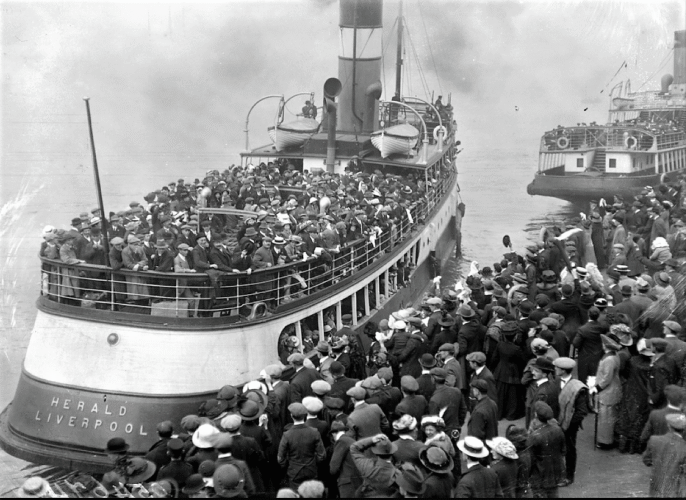
La seconda categoria è la più conosciuta e in italiano è nota come “Oltreoceano”, ovvero l’emigrazione verso altri continenti, inizialmente principalmente verso le Americhe, poi verso l’Australia, anche se alcuni italiani sono andati anche in Africa, e non solo a seguito delle guerre coloniali, e persino in Asia, anche se il numero di emigranti verso quel continente è molto limitato in termini storici. Il ritorno in Italia era molto raro, poiché non solo era costoso, ma richiedeva settimane o mesi di viaggio di andata e ritorno.
Queste erano le comunità di migranti italiani con meno contatti con l’Italia, il che significa che non ci voleva molto perché i rami perdessero i contatti tra loro nel corso del tempo.
Inoltre, a causa dei contatti limitati, insieme ai servizi di informazione limitati, molto meno della TV satellitare o di Internet, i migranti e i loro discendenti non erano a conoscenza dei grandi cambiamenti avvenuti in Italia, in particolare del grande “boom economico” degli anni ’50 e ’60, che ha avuto un enorme contributo dalle rimesse dei migranti all’estero, che resero il Paese prima una delle superpotenze economiche del pianeta e poi un importatore di lavoratori migranti.
Oggi, i discendenti degli immigrati italiani in tutti i continenti hanno lasciato le enclave per diffondersi in tutti i paesi, anche nei sobborghi più esclusivi, e molti di loro sono diventati membri importanti della società dei loro paesi.
Sono diventati imprenditori, scienziati e occupano ogni categoria lavorativa nei loro paesi, persino quella politica, come nel caso di Anthony Albanese, l’attuale primo ministro australiano, figlio di un immigrato italiano, e non c’è paese in cui gli italiani non abbiano un ruolo nella politica locale…
Ogni comunità italiana nel mondo ha la sua storia, le sue esperienze, nel bene e nel male, poiché gli italiani sono stati anche modelli di riferimento per il Paese, come Santa Frances Cabrini negli Stati Uniti, e, purtroppo, criminali che troppo spesso sono stati oggetto dei più vergognosi stereotipi sugli italiani in ogni Paese grazie a film e programmi televisivi che tendono a utilizzare gli italiani come modelli di criminali piuttosto che persone come Joe Petrosino che li ha combattuti…
Ma avere parenti e amici in tutto il mondo non significa nulla se prima di tutto non restiamo in contatto con loro, e viceversa, e ancora meno se non capiamo come queste comunità si sono sviluppate nel tempo.
Nella seconda parte di questa trilogia vedremo come possiamo finalmente conoscere le esperienze dei nostri parenti e amici all’estero, e nella terza parte considereremo come la presenza di questi migranti e dei figli/discendenti dei nostri migranti abbia influito e continui a influire sullo sviluppo dell’Italia stessa.
Our relatives and friends overseas and what they mean to Italy PART 1
In the “Italiani nel Mondo” (Italians in the World) column we often refer to our relatives and friends overseas, but what does this mean?
The question may seem trivial to some, but the answer is complicated, and sadly, many people think about Italians overseas in terms of stereotypes that often do not now follow the history of the country that did not exist before 1861…
And understanding this helps us to understand that Italy has resources around the world that it does not yet understand, nor appreciate.
The fact is that there are very few families and no towns in Italy that have not had members who migrated to other countries for any number of reasons. This migration started well before Italy became an independent nation, and furthermore, many people from our peninsula also played active roles in the exploration of the world.
This migration became a massive phenomenon in the 19th century, at the time of the Unification of Italy, with the first big waves, surprisingly, not from the south, as many people believe, but from the north. The mass migration from the south began approximately twenty years later.
The major reasons for the waves of migration went from major disasters, such as the massive earthquake that struck Messina in 1908 to the waves of migration following the devastation of whole parts of Italy during the two World Wars. Yet these 2 periods tell only part of the history of our Migration.
And when we look at the first waves of mass migration after Italy’s Unification, people need to see the context of Italian society at the time because too many people do not realize that Italy as a whole, and not limited only to the south, was a feudal society and that the bulk of the population lived in conditions that few people today would understand, let alone tolerate.
And they did not leave just “for work”, in fact, there was plenty of work in these territories, but what was lacking in their lives was the dignity of paid employment with guaranteed rights to a fair wage, safe work conditions, the right to strike if necessary and such “luxuries” as holidays and other conditions we now take for granted.
Consequently, once we have studied the conditions of the time, we can see that migration, no matter the reason, usually took a “standard” pattern.
People left in groups from the same town or territory. They established themselves in the new country and then started to call over their relatives and friends at home to join them. They married amongst themselves and carried on the traditions of their towns of origin in Italy.
This is how the Italian enclaves started, as we explained in a recent article and this is why many descendants of Italian migrants around the world believe there is a basic model of “Italian” that conforms to their own families…
Until recently in historical terms, these communities had little effective contact with their families left at home. The only communications were via letters that took weeks to arrive and further weeks to have a reply. And because most of the migrants were illiterate and spoke only their dialect, very often the letters were written by scribes and the answers read by them as well.
In addition, we must also consider that there are two basic categories of Italian Migration.
The first is Migration to other European countries, which meant easier communications with the relatives at home, and with the introduction of cars and then trains, the relatively easy prospect to go back to Italy when necessary.
The second category is the best known, and in Italian this is known as “Oltreoceano” (across the ocean), in other words, migration to other continents, mainly to the Americas at first, and then to Australia, although some Italians have also gone to Africa, and not just as a result of the Colonial Wars, and even Asia, although the numbers to that continent are very limited in historical terms. Travel back to Italy was very rare since it was not only expensive, it required weeks or months of travel back and forth.
These were the Italian migrant communities with the least contact with Italy, meaning that it did not take much for branches to lose contact with each other over time.
Furthermore, the limited contact, together with the limited news services, much less satellite TV or internet, the migrants and their descendants were not aware of the great changes in Italy, especially the great “Economic Boom” of the 1950s and 60s which had an enormous contribution from the remittances from the migrants overseas, that made the country, first one of the economic superpowers of the planet, and then an importer of migrant workers.
Now, the descendants of Italian migrants in all the continents have left the enclaves to spread throughout the countries, even to the most exclusive suburbs, and many of them have also become important members of their countries’ society.
Indeed, they have become entrepreneurs, scientists, and they occupy every category of employment in their countries, even to politicians, an example being Anthony Albanese, the current Prime Minister of Australia, the son of an Italian migrant, and there is no country where Italians do not play a role in local politics…
Every Italian community around the world has its own history, its own experiences, for better or for worse, since Italians have even been role models for the country, such as Saint Frances Cabrini in the United States, to, and unfortunately, the criminals that all too often have been subject of the most shameful stereotypes of Italians in every country thanks to films and TV shows that tend to use Italians as models of criminals rather than people such as Joe Petrosino who fought them…
But having relatives and friends around the world means nothing if we firstly do not keep in touch with them, and vice versa, and even less if we do not understand how these communities have developed over time.
In part 2 of this trilogy we will look at how we can finally learn about the experiences of our relatives and friends overseas, and in part 3 we will consider how the presence of these migrants and children/descendants of our migrants, have played and continue to play in the development of Italy itself.


