
Attualità
Se l’Italia fosse la Cina: l’Impero della polvere negli occhi- If Italy were China: the empire of dust in the eyes



Se l’Italia fosse la Cina: l’Impero della polvere negli occhi
di Marco Andreozzi
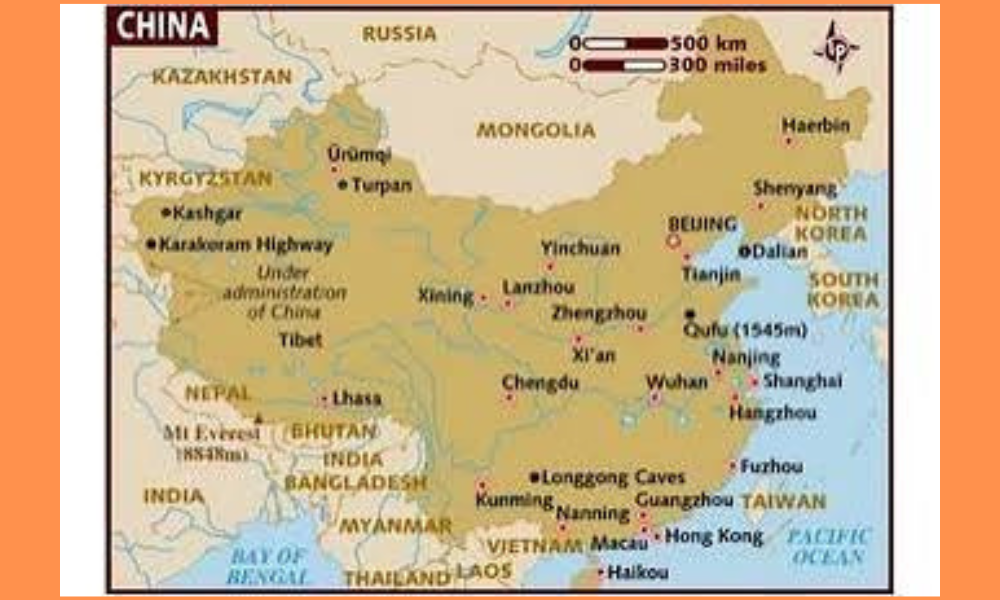
Alla fine del 2017, con una traiettoria di crescita già in rallentamento tangibile (nonostante il dato ufficiale oltre il 6%) e dazi trumpiani in arrivo, l’Ufficio Nazionale di Statistica del regime cinese decideva di unificare il calcolo del PIL per tutte le province, aspettando però l’esito del censimento economico nazionale, pianificato per l’anno dopo. E che sorpresa! 14 delle 31 amministrazioni provinciali dovettero sforbiciare i propri dati, con crolli verticali nella cintura del nord-est: Tianjin con un taglio del PIL del 29%, Jilin del 25,3%, Heilongjiang del 21,5%, Shandong del 16,5%. A meravigliare ancor più gli analisti fu però il fenomeno opposto: le altre 17 province videro i propri numeri al rialzo, con le povere Yunnan e Anhui che scoprirono un’economia più grande del 10% (Caixin). Insomma, se i funzionari locali gonfiavano i risultati per fare carriera, sottostimare così pesantemente la ricchezza prodotta appare quanto meno paradossale.
E’ interessante notare due fattori:
1) le tre province summenzionate senza Shandong rappresentavano appena il 6% del PIL ufficiale generato nel 2017;
2) tra le province che hanno visto i loro numeri al rialzo, pur sotto il 10%, vi sono le prime cinque esportatrici negli USA (e nel resto del mondo), ovvero il 40% del PIL nazionale: Guangdong, Jiangsu, Zhejiang, Shanghai, Shandong.
L’effetto dazi si fece sentire a pieno nel 2019, ma in parte anche l’anno prima e in valori relativi la provincia più colpita tra quelle grandi fu proprio Shandong (8,8% del PIL cinese). Nel 2019 perse ben un sesto delle esportazioni (chimica, pneumatici, prodotti agricoli trasformati) verso gli USA: oltre 4,3 miliardi di dollari. Che le quattro province abbiano voluto coprire con quei dati chiaramente ingannevoli la nota crisi industriale in atto (evidentemente molto grave) può rientrare in una logica. Chi scrive – che in quegli anni registra molte lamentele da parte degli imprenditori locali sullo stato dell’economia – fu nominato ‘ambasciatore per gli investimenti’ 2019-2021 di una contea in Shandong di 1 milione di abitanti: una carica inusuale.
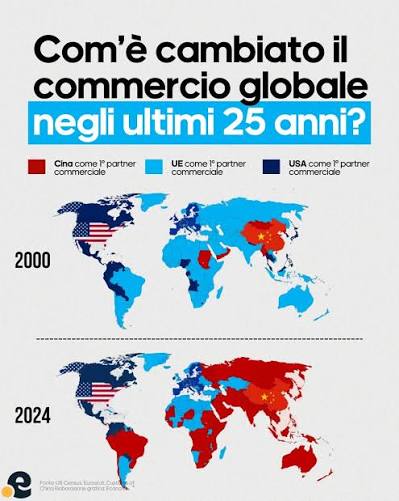
A seguito di tutto, il PIL ufficiale cinese 2018 guadagna il 2,1%, ma la domanda è: cosa accadrebbe se in Italia l’ISTAT e le Regioni presentassero scostamenti simili? Sotto la lente di Eurostat e dei mercati globali, una simile opacità innescherebbe una grave crisi di fiducia: gli investitori venderebbero i BTP, facendo esplodere i tassi di interesse; Brussels avvierebbe una procedura d’infrazione congelando i fondi europei, e il sistema bancario subirebbe contraccolpi importanti. E’ un rebus statistico o c’è altro? Nel 2004, il censimento rivelò che il PIL nazionale era superiore del 16,8% rispetto al previsto, permettendo alla Cina di scavalcare l’Italia.
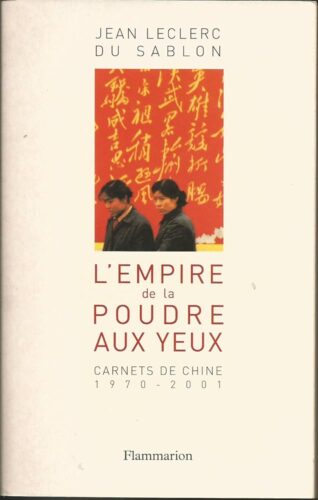
Le 4 agenzie globali di valutazione del rischio di credito collocano la Cina nella fascia medio-alta (pur con un rapporto debito totale / PIL ufficiale attorno al 300%), mentre l’Italia si posiziona medio-bassa. Qualcosa non torna? Da inizio anno al 13 novembre, gli indici delle borse cinesi registrano flessioni: CSI-300 del 12,43%, HSI di Hong Kong del 11,14% e Shanghai del 7.98%, contro il FTSE italiano che segna + 15,38%; e anche a Wall Street siamo tra +8,2% e +10,5%. In più, nel 2012 (quando Xi prende il potere) i cinesi richiedenti asilo politico all’estero sono stati 15.360, numero che nel 2025 ha toccato 175.000 unità (cresciuto pur di poco anche nell’anno-Covid): un crescendo continuo fino al totale di 1.330.000 persone, delle quali quasi un milione in USA. Che siano più affidabili le stime dell’agenzia UNHCR per valutare un rischio-Paese? Chi persista con la narrativa delle due superpotenze USA-Cina dovrebbe forse riflettere, sebbene lo stesso Trump la rafforzi (vedi trilaterale di Shenzhen con la Russia). Una buona lettura sulla Cina è un diario 1970-2001 del giornalista Jean Leclerc du Sablon, anche se il francese, a tratti, eccede un po’. Libro quasi introvabile, il titolo gli fu suggerito da Angela Staude, la moglie di Tiziano Terzani, tratto da un detto cinese (“non scambiare l’occhio del pesce per una perla”, 鱼目混珠): L’Impero della Polvere negli Occhi.
If Italy were China: the empire of dust in the eyes
by Marco Andreozzi
At the end of 2017, with a growth trajectory already tangibly slowing down (despite the official figure of over 6%) and Trumpian duties on the way, the Chinese regime’s National Statistics Office decided to unify the GDP calculation for all provinces, while waiting for the outcome of the national economic census, planned the following year. And what a surprise! 14 of the 31 provincial administrations had to cut their figures, with vertical collapses in the north-eastern belt: Tianjin with a 29% cut in GDP, Jilin by 25.3%, Heilongjiang by 21.5%, Shandong by 16.5%. What amazed the analysts even more, however, was the opposite phenomenon: the other 17 provinces saw the numbers rising, with poor Yunnan and Anhui discovering an economy 10% larger (Caixin). In short, if local officials inflated results to advance their careers, underestimating the wealth produced so heavily appears paradoxical to say the least.
It is interesting to note two factors:
1) the above three provinces without Shandong accounted for just 6% of the official GDP generated in 2017;
2) among the provinces that saw their numbers rise, albeit below 10%, there are the top five exporters to the USA (and the rest of the world), i.e. 40% of the national GDP: Guangdong, Jiangsu, Zhejiang, Shanghai, Shandong.
The tariff effect was fully felt in 2019, but also partly the year before and in relative values the most affected province among the large ones was indeed Shandong (8.8% of Chinese GDP). In 2019 it lost as much as a sixth of its exports (chemicals, tires, processed agricultural products) to the USA: over 4.3 billion dollars. To cover up the well-known ongoing industrial crisis (evidently very serious) might have been the rationale behind the four provinces’ clearly misleading reported data. Your scribe—who, during those years, records numerous complaints from local entrepreneurs regarding the state of the economy—was appointed 2019-2021 ‘investment ambassador’ of a county of 1 million inhabitants in Shandong: an unusual accreditation.
All in all, China’s official GDP in 2018 gained 2.1%, but the question is: what would happen if the National Institute of Statistic of Italy and the Regional Authorities showed similar deviations? Under the lens of Eurostat and global markets, such opacity would trigger a serious crisis of confidence: investors would sell multi-year treasury bonds, causing interest rates to explode; Brussels would launch an infringement procedure freezing European funds, and the banking system would suffer significant repercussions. Is this a statistical conundrum, or is there something else at play? In 2004, the census revealed that the national GDP was 16.8% higher than expected, allowing China to overtake Italy.
The 4 global rating agencies place China in the medium-high range (despite a total debt/official GDP ratio of around 300%), while Italy is positioned medium-low. Is there something that doesn’t add up? From the beginning of this year to November 13, the Chinese stock market indices record declines: CSI-300 by 12.43%, Hong Kong’s HSI by 11.14% and Shanghai by 7.98%, against the Italian FTSE which is at +15.38%; and also Wall Street stands between +8.2% and +10.5%. Furthermore, in 2012 (when Xi takes power) there were 15,360 Chinese applicants for political asylum abroad, a number which in 2025 reached 175,000 units (datum that also grew slightly in the Covid-year): a continuous crescendo till a total of 1,330,000 people, of whom almost a million in the USA. Are the UNHCR agency’s estimates more reliable for assessing a country’s risk? Those who persist with the US-China superpower narrative should perhaps reflect, although Trump himself strengthens it (see Shenzhen trilateral with Russia). A good read on China is a diary from 1970 to 2001 by the journalist Jean Leclerc du Sablon, even if the French goes a little too far at times. An almost unobtainable book, the title was suggested to him by Angela Staude, Tiziano Terzani’s wife, taken from a Chinese saying (“do not mistake the eye of a fish for a pearl”, 鱼目混珠): The Empire of Dust in the Eyes.

Marco Andreozzi, è Dottore in Ingegneria Meccanica, Economia/Amministrazione (Politecnico di Torino). Tecnologo industriale e specialista del settore energetico, proviene da esperienze professionali in cinque multinazionali in Italia e paesi extra-europei, e come direttore generale da un quarto di secolo; nomade digitale dal 2004 al 2019, e’ sinologo, parla correntemente il mandarino e in Cina e’ stato docente a contratto.
Marco Andreozzi, is a Doctor in Mechanical Engineering, Economics/Administration (Polytechnic of Turin). Industrial technologist and specialist in the energy sector, he comes from professional practices in five corporates in Italy and non-European countries, and as managing director for a quarter of a century; digital nomad from 2004 to 2019, he is a sinologist, speaks fluent Mandarin and was a visiting professor in China.


