
Ambiente & Turismo
Carbon Credits: cosa sono, come funzionano e perché dividono esperti e imprese-Carbon Credits: What They Are, How They Work, and Why They Divide Experts and Businesses



Carbon Credits: cosa sono, come funzionano e perché dividono esperti e imprese
di Laura Marà
Negli ultimi anni termini come Carbon Credits, crediti di carbonio, mercato del carbonio, Net Zero, neutralità climatica e transizione ecologica sono entrati stabilmente nel dibattito internazionale. Sempre più governi e imprese si impegnano a ridurre il proprio impatto ambientale, ma il funzionamento dei Carbon Credits rimane ancora poco conosciuto.
Un Carbon Credit rappresenta, nella maggior parte dei casi, una tonnellata di CO₂ equivalente (CO₂e) evitata o rimossa dall’atmosfera grazie a un progetto certificato. In altre parole, il sistema attribuisce un valore economico a un beneficio ambientale concreto, misurabile e verificabile.
Come funzionano i Carbon Credits
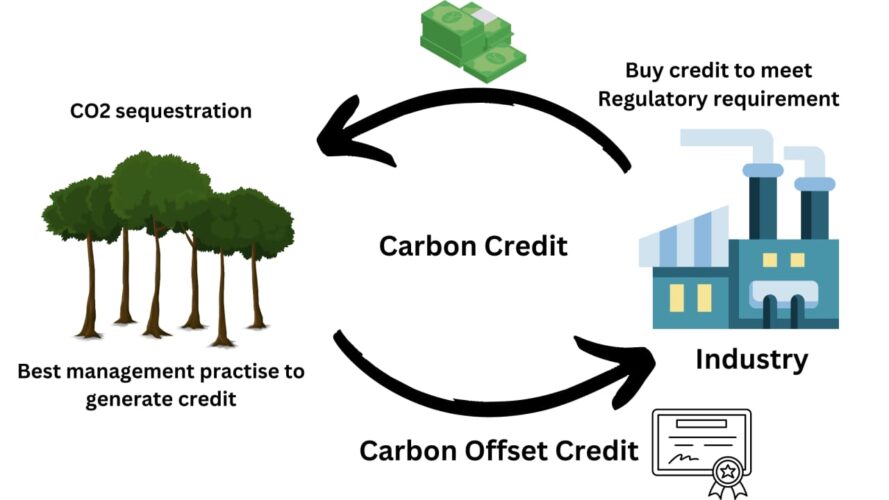
I crediti di carbonio nascono dalla consapevolezza che alcune emissioni non possono ancora essere eliminate completamente. Per questo motivo vengono finanziati progetti in grado di compensare tali emissioni residue, come la riforestazione, il ripristino delle zone umide, lo sviluppo delle energie rinnovabili e le tecnologie per la cattura della CO₂.
Esistono due principali tipologie di mercato del carbonio. Il Compliance Market è regolato dalla legge e impone alle imprese di rispettare determinati limiti alle emissioni. Il Voluntary Carbon Market, invece, consente ad aziende, fondazioni e organizzazioni di acquistare volontariamente Carbon Credits per sostenere progetti ambientali certificati e rafforzare il proprio percorso di sostenibilità.
Il dibattito sul rischio di greenwashing
Accanto ai potenziali benefici, il sistema è anche oggetto di un acceso dibattito. Uno dei principali punti critici riguarda il rischio di greenwashing. Secondo alcuni osservatori, infatti, un’azienda potrebbe continuare a emettere elevate quantità di CO₂, acquistando crediti di carbonio invece di ridurre concretamente le proprie emissioni. In questa prospettiva, i Carbon Credits rischierebbero di trasformarsi in una sorta di “licenza a inquinare”, consentendo alle imprese di presentarsi come sostenibili senza modificare realmente il proprio modello produttivo.
Chi sostiene il sistema propone però una lettura diversa. Il numero di Carbon Credits da acquistare è direttamente proporzionale alle emissioni prodotte: maggiore è la quantità di CO₂ emessa, maggiore sarà il costo da sostenere. Nel lungo periodo, continuare a compensare le emissioni diventa spesso economicamente meno conveniente rispetto all’investimento in tecnologie più efficienti, impianti moderni e processi produttivi a basse emissioni. Per questo motivo i crediti di carbonio sono considerati da molti un supporto temporaneo durante la transizione ecologica, non un’alternativa alla decarbonizzazione.
Uno strumento in continua evoluzione
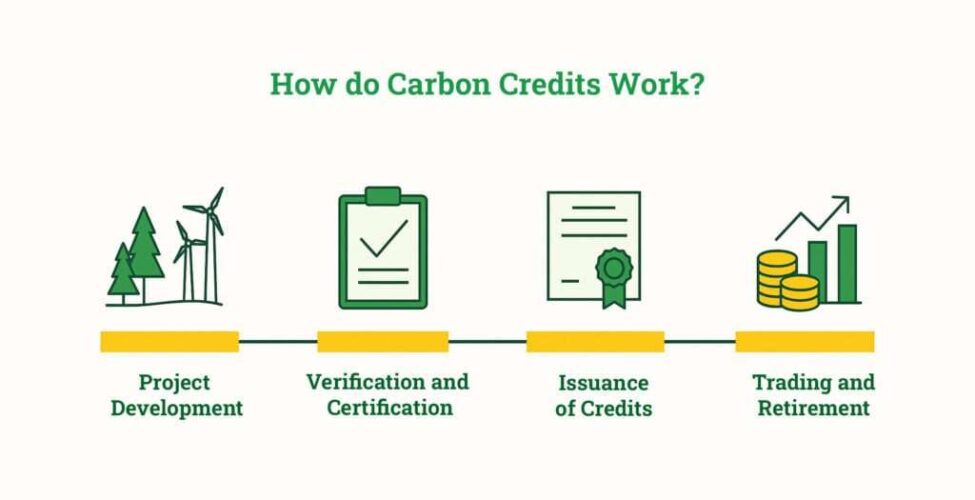
Ogni Carbon Credit viene certificato da organismi indipendenti e registrato in appositi registri internazionali, che ne garantiscono la tracciabilità ed evitano il doppio utilizzo.
Più che un semplice strumento finanziario, i Carbon Credits rappresentano oggi un nuovo modo di attribuire valore al capitale naturale. Foreste, zone umide ed ecosistemi non vengono più considerati soltanto beni da proteggere, ma risorse in grado di generare benefici ambientali, economici e sociali.
Il sistema presenta ancora limiti e aspetti da perfezionare, ma una trasformazione appare già evidente: la natura sta entrando sempre più nelle decisioni economiche, industriali e finanziarie. Ed è proprio da questa evoluzione che potrebbe nascere un nuovo modello di sviluppo, nel quale la tutela degli ecosistemi non rappresenti più soltanto un costo, ma anche un investimento strategico per il futuro.
Carbon Credits: What They Are, How They Work, and Why They Divide Experts and Businesses
by Laura Marà
In recent years, terms such as Carbon Credits, carbon markets, Net Zero, climate neutrality, and the green transition have become firmly established in international discussions on climate, economics, and finance. An increasing number of governments and companies are committing to reducing their environmental impact, yet the way Carbon Credits actually work remains widely misunderstood.
A Carbon Credit generally represents one metric ton of carbon dioxide equivalent (CO₂e) that has either been avoided or removed from the atmosphere through a certified project. In other words, the system assigns an economic value to a tangible, measurable, and verifiable environmental benefit.
How Carbon Credits Work
Carbon Credits were created in recognition of the fact that some greenhouse gas emissions cannot yet be completely eliminated. For this reason, they help finance projects designed to offset these residual emissions, including reforestation, wetland restoration, the development of renewable energy, and carbon capture technologies.
There are two main types of carbon markets. The Compliance Market is regulated by law and requires companies to comply with legally established emission limits. The Voluntary Carbon Market, by contrast, allows businesses, foundations, and organizations to purchase Carbon Credits on a voluntary basis in order to support certified environmental projects and strengthen their sustainability strategies.
The Debate Over Greenwashing
Alongside their potential benefits, Carbon Credits remain the subject of intense debate. One of the main concerns is the risk of greenwashing. According to critics, companies could continue to emit large amounts of CO₂ while purchasing Carbon Credits instead of taking meaningful action to reduce their own emissions. From this perspective, Carbon Credits could become little more than a “license to pollute,” allowing businesses to portray themselves as environmentally responsible without fundamentally changing their production models.
Supporters of the system, however, offer a different perspective. The number of Carbon Credits a company must purchase is directly proportional to the volume of emissions it produces: the higher its CO₂ emissions, the greater the financial cost. Over the long term, continuously offsetting emissions often becomes more expensive than investing in cleaner technologies, modern facilities, and low-carbon production processes. For this reason, many experts view Carbon Credits as a temporary instrument to support the green transition, rather than as a substitute for genuine decarbonization.
A System Still Evolving
Every Carbon Credit is certified by independent verification bodies and recorded in international registries, ensuring full traceability and preventing double counting.
More than simply a financial instrument, Carbon Credits represent a new way of assigning value to natural capital. Forests, wetlands, and entire ecosystems are no longer viewed solely as natural assets to be protected, but increasingly as resources capable of generating measurable environmental, economic, and social benefits.
Although the system still has limitations and continues to evolve, one transformation is already clear: nature is becoming an increasingly important factor in economic, industrial, and financial decision-making. From this shift may emerge a new model of development—one in which protecting ecosystems is no longer seen merely as a cost, but as a strategic investment in the future.


