
Attualità
La decima edizione del ’“Historic Minardi Day” e cosa ci insegna sulla storia, non solo su quella dell’automobilismo- The 10th Historic Minardi Day and what it teaches us about History and not just motorsport

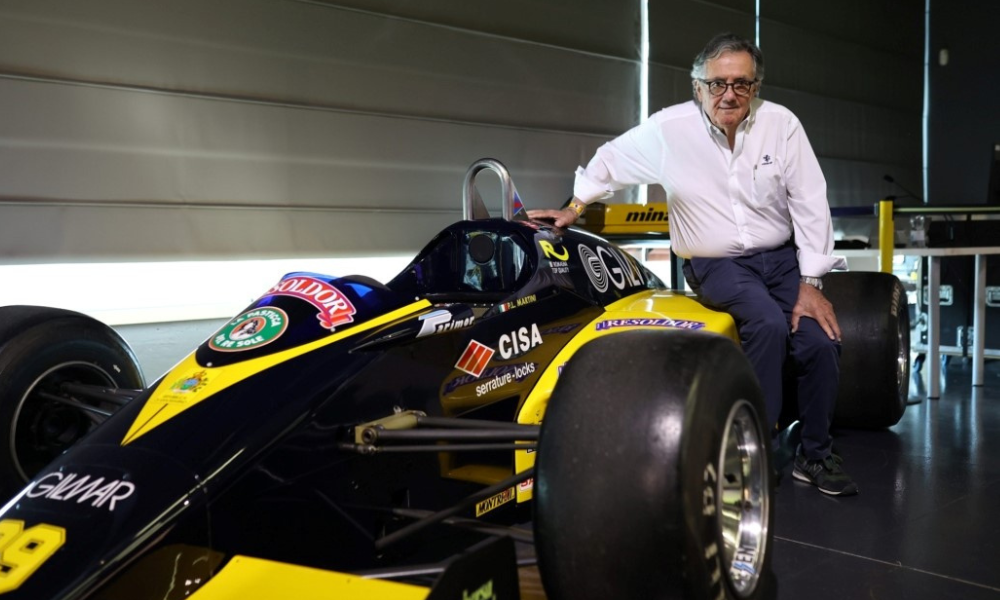


La decima edizione del ’“Historic Minardi Day” e cosa ci insegna sulla storia, non solo su quella dell’automobilismo
La storia deve essere preservata, ma ciò non è sempre facile per due ragioni.
La prima ragione è che la storia non è costituita solo da eventi politici e/o sociali importanti, come guerre, rivoluzioni, ecc., a cui la maggior parte delle persone pensa quando sente la parola “storia”, ma anche da ogni aspetto delle nostre vite. E questo ci porta alla seconda ragione per cui la storia deve essere preservata.
Ma soprattutto, la storia ci racconta da dove veniamo e questo ci fornisce indicazioni importanti su come procedere in futuro, sia come individui che come società. Alcune forme di storia sono difficili da preservare adeguatamente perché gran parte di esse è nascosta, mentre documenti e altri aspetti del passato sono andati perduti o sono stati distrutti, a volte a causa degli eventi stessi, altre volte perché le persone vogliono nascondere ciò che è accaduto.
Eppure ci sono aspetti della nostra cultura e della nostra società che sono facili da preservare perché i simboli di queste attività sono molto ricercati e tra questi rientra quello che oggi è un aspetto molto importante delle nostre vite: lo sport.
E un recente evento in Italia ci dimostra che esistono modi per far rivivere il passato alle persone anche quando i protagonisti di quell’aspetto storico non sono più tra noi e come sia possibile mantenere vive le attività del passato.
L’Historic Minardi Day, che ha celebrato il suo decimo anniversario lo scorso fine settimana del 19 e 20 settembre, è stato creato proprio con l’intento di mantenere viva la memoria e la storia degli sport motoristici, in particolare della Formula 1, e di consentire agli appassionati, anche a chi non ha mai visto un Gran Premio, di vivere i suoni, gli odori e l’emozione di questo sport altamente competitivo.
L’ideatore di questo evento è Gian Carlo Minardi, affiancato dai fratelli Giuseppe (Beppe) e Fernando, che purtroppo non è più tra noi, ma è ora rappresentato in modo più che eccellente dalla figlia Elena.
Gian Carlo Minardi è egli stesso un veterano del “Circo” della Formula 1, avendo fondato il Team Minardi che ha partecipato al Campionato del Mondo dal 1985 al 2005, una scuderia che si è conquistata un seguito molto fedele in tutto il mondo grazie ai suoi coraggiosi sforzi per tenere testa alle scuderie molto più ricche. Senza dimenticare che un campione del mondo di piloti, Fernando Alonso, ha fatto il suo debutto in Formula 1 proprio con il Team Minardi.
In quegli anni di competizioni, Minardi ha imparato a conoscere da vicino le difficoltà, ma anche le glorie, del gareggiare ai massimi livelli di questo sport e, proprio per questo, sapeva che l’unico modo per mantenere davvero viva la memoria di questo sport è attraverso i suoi protagonisti: non solo i piloti, ma anche gli ingegneri e i progettisti che hanno creato le auto, e soprattutto le auto stesse, che innumerevoli appassionati in tutto il mondo molto spesso non hanno mai l’opportunità di vedere se non sugli schermi televisivi; ed è proprio questo che Gian Carlo Minardi voleva offrire agli appassionati durante l’evento.
L’Historic Minardi Day si svolge presso il Circuito Internazionale Enzo e Dino Ferrari di Imola, teatro di numerosi Gran Premi nel corso degli anni, non lontano da Faenza, la città natale di Gian Carlo Minardi e sede della scuderia; ogni edizione dell’evento ha visto la partecipazione di appassionati collezionisti di auto da corsa di ogni tipo, provenienti da molti paesi europei, che portano le loro preziose auto a Imola per guidarle nel loro ambiente naturale: un moderno circuito da gara.
Ma c’è di più: l’evento offre qualcosa che è impossibile per la stragrande maggioranza dei tifosi durante un Gran Premio, ovvero la possibilità di accedere al paddock e ai box, solitamente off-limits per il pubblico durante le gare, per vedere da vicino le auto che poi vedranno sfrecciare sul circuito nei due giorni dell’evento.
Inoltre, ogni edizione ha visto la partecipazione di piloti del passato, compresi quelli contemporanei, offrendo così ai fan l’opportunità di incontrarli, scattare selfie con loro e ottenere i loro autografi. Inoltre, i fan più esperti conoscono e riconoscono anche gli ingegneri e gli esperti che hanno creato le auto.
Le dieci edizioni dell’Historic Minardi Day hanno visto anche il contributo delle attuali scuderie del Campionato del Mondo di Formula 1, che hanno persino prestato le loro auto affinché i fan potessero ammirarle.
E la prova del successo dell’evento sta negli oltre 20.000 appassionati che hanno partecipato durante il fine settimana e, ancora di più, nella presenza di numerosi collezionisti che hanno portato le loro auto: quest’anno tra queste figuravano 39 vetture di Formula e numerose auto di Formula Junior, Formula Abarth, Formula Italia, Formula 2, Formula 3, Formula 4, GP3, GP2, F3000, prototipi, auto GT storiche e auto GTS. La vicinanza di così tante auto da corsa di F1 ha permesso agli appassionati di rendersi facilmente conto di quanto la categoria si sia evoluta tecnologicamente nel corso dei decenni.
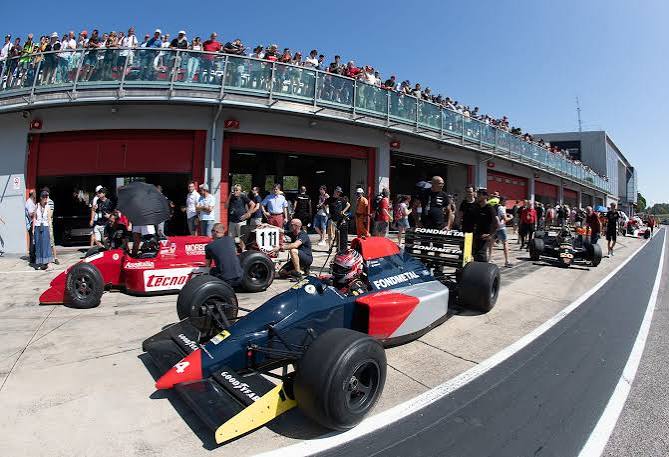
In questo modo gli appassionati hanno potuto ascoltare, vedere e persino respirare l’atmosfera creata da queste auto durante un weekend di Gran Premio e in altre categorie di sport motoristici.
Ma non dobbiamo dimenticare che la storia viene anche raccontata e presentata attraverso documentari e film, e di questo non manca mai all’Historic Minardi Day. Ogni anno vengono presentati nuovi libri, non solo da giornalisti e altri esperti del settore, ma anche dagli stessi piloti. Inoltre, il Museo Checco Costa e le strutture del circuito fanno da cornice a dibattiti e altre attività in cui la storia e il futuro di questo sport vengono presentati, discussi e analizzati.
E per far comprendere ai lettori l’ampiezza e la portata di questa partecipazione di piloti, giornalisti, ingegneri, ecc., all’Historic Minardi Day di quest’anno tra gli ospiti e i partecipanti figuravano: gli ingegneri Aldo Costa, Gabriele Tredozi e Nigel Cowperthwaite, insieme a piloti, giornalisti e altri esperti quali Daniele Audetto, Heini Mader, Giorgio Piola, Biagio Maglienti, Mario Isola, Giorgio Serra “Matitaccia”, Giovanna Amati, Fabio Babini, Luca Badoer con suo figlio Brando, Fulvio Maria Ballabio, Benito Battilani, Francesco Bergamini, Thierry Boutsen, Sergio Campana, Sonia Borghese, Vicky Piria, Massimo Ciccozzi, Roberto Farneti, Beppe Gabbiani, Bruno Giacomelli, Raffaele Giammaria, Alexandra Gallo, Pierluigi Martini, Arturo Merzario, Miguel Angel Guerra, Gabriele Lancieri, Giovanni Lavaggi, Andrea Levy, Riccardo Patrese, Gabriele Tarquini, Niccolò Piancastelli, Luis Pérez-Sala, Vinicio Salmi, Siegfried Stohr e Tamara Vidali.
E per quei lettori che non lo sapessero, sarebbe negligente non menzionare che Gian Carlo Minardi è ancora parte attiva del mondo dell’automobilismo italiano e mondiale in qualità di Presidente della Commissione Velocità in Circuito dell’ACI-CSAI (Automobilisti Italiani e Commissione Sport Automobilistici Italiani), con particolare interesse per lo sviluppo dei giovani piloti italiani, oltre ad essere Presidente della Commissione Monoposto della FIA (Federation Internationale de l’Automobile, Federazione Internazionale dell’Automobile).
In altre parole, non è solo una figura del passato della Formula 1, ma svolge ancora un ruolo attivo nel suo presente e nel suo futuro.
L’Historic Minardi Day è un’importante lezione su come preservare la storia, con il coinvolgimento di chi ha partecipato o nutre un interesse per il passato, e incoraggiamo le persone a sostenere eventi come questo perché ci aiutano a capire chi siamo.
Se i nostri lettori desiderano saperne di più sull’Historic Minardi Day e seguire le attività di Gian Carlo Minardi, compresi i suoi commenti prima e dopo i Gran Premi, possono visitare il sito web: https://www.minardi.it/ .
The 10th Historic Minardi Day and what it teaches us about History and not just motorsport
History must be preserved, but this is not always easy for two reasons.
The first reason is that history is not made up only of important political and/or social events such as wars, revolutions, etc, that most people see think about when they hear the word “history” but also every aspect of our lives. And this leads to the second reason history must be preserved.
More importantly, History tells us where we came from and this gives us important indications for how we will proceed in the future, as individuals and as a society. Some forms of history are difficult to preserve properly because much is hidden, documents and other aspects of the past have been lost or destroyed, sometimes by the events, and sometimes because people want to hide what has happened.
Yet there are aspects of our Culture and Society that are easy to preserve because the symbols of these activities are much sought after and this includes what is now a very important aspect of our lives, sport.
And a recent event in Italy shows us that there are ways for people to relive the past even when the protagonists of that aspect of history are no longer with us and how it is possible to keep activities of the past alive.
The Historic Minardi Day that celebrated its tenth anniversary on the weekend of September 19 and 20 last, was created specifically with the intention of keeping alive the memory and history of motor sports, especially Formula 1 racing, and to allow the fans, even those who have never seen a Grand Prix, to experience the sounds, the smells and the excitement of this highly competitive sport.
The man who created this event is Gian Carlo Minardi, supported by his brothers Giuseppe (Beppe) and Fernando, who sadly is no longer with us, but he is now represented more than ably by his daughter Elena.
Gian Carlo Minardi is himself a veteran of the Formula 1 “Circus” having formed the Minardi Team that took part in the World Championship from 1985 to 2005, a team that gathered a very loyal following around the world due to its valiant efforts to match the much richer teams. Without forgetting that one world driver’s champion, Fernando Alonso, made his debut in Formula 1 with the Minardi Team.
During those years of competition Minardi grew to understand intimately the hardships and also the glories of competing at the highest level of the sport and for this reason he knew that the only way to truly keep the memory of the sport alive is through its protagonists, not just the drivers, but also the engineers and designers who created the cars, and above all the cars themselves which countless fans around the world very often never have the opportunity to see except on TV screens and this is precisely what Gian Carlo Minardi wanted to give the fans at the event.
The Historic Minardi Day is held at the Enzo and Dino Ferrari International Circuit at Imola, the setting for many Grands Prix over the years, which is not far away from Faenza, the city where Gian Carlo Minardi was born and where the team was based, and every edition of the event has had the participation of avid collectors of racing cars of every type and with participants from many countries in Europe who take their precious cars to Imola to drive them on their natural setting, a modern racing circuit.
Better still, the event offers something that is impossible for the vast majority of fans to do during a Grand Prix, it allows the fans to enter the paddock and the pits, which are off limits to the fans during Grands Prix, to let them see up close the cars that they then see speeding around the circuit over the two days of the event.
Furthermore, every edition has seen drivers from the past attend, including modern-day drivers, thus giving the fans the opportunity to meet them, have selfies with them and to get their autographs. Furthermore, the more knowledgeable fans also know and recognize the engineers and experts who created the cars.
The ten editions of the Historic Minardi Day have also had the contribution of the current teams in the Formula 1 World Championship which have even loaned their cars for the fans to admire.
And the proof of the event’s success is in the more than 20,000 fans who attended during the weekend and, even more, the presence of many collectors who brought their cars, this year including 39 Formula cars and many cars from Formula Junior, Formula Abarth, Formula Italia, Formula 2, Formula 3, Formula 4, GP3, GP2, F3000, Prototypes, Historic Gt cars and GTS cars. The proximity of so many F1 racing cars made it very easy for the fans to see how much the category has developed technologically over the decades.
In this way the fans were able to hear, see and even smell the atmosphere created by these cars during a Grand Prix weekend and at other categories of motorsport
But we must not forget that history is also written and presented as documentaries and films and this is never lacking at the Historic Minardi Day. Every year there are presentations of new books, not just by journalists and other experts in the field, but also by drivers themselves. And the Checco Costa Museum and the facilities at the circuit are also the settings for discussions, and other activities in which the history and the future of the sport are presented, discussed and analysed.
And to make readers understand the width and breadth of this participation of this participations of drivers, journalists, engineers, etc, at this year’s Historic Minardi Day the guests and participants included: engineers Aldo Costa, Gabriele Tredozi and Nigel Cowperthwaite, together with drivers, journalists and other experts such as Daniele Audetto, Heini Mader, Giorgio Piola, Biagio Maglienti, Mario Isola, Giorgio Serra “Matitaccia”, Giovanna Amati, Fabio Babini, Luca Badoer with his son Brando, Fulvio Maria Ballabio, Benito Battilani, Francesco Bergamini, Thierry Boutsen, Sergio Campana, Sonia Borghese, Vicky Piria, Massimo Ciccozzi, Roberto Farneti, Beppe Gabbiani, Bruno Giacomelli, Raffaele Giammaria, Alexandra Gallo, Pierluigi Martini, Arturo Merzario, Miguel Angel Guerra, Gabriele Lancieri, Giovanni Lavaggi, Andrea Levy, Riccardo Patrese, Gabriele Tarquini, Niccolò Piancastelli, Luis Pérez-Sala, Vinicio Salmi, Siegfried Stohr and Tamara Vidali.
And for those readers who do not know, it would be remiss not to mention that Gian Carlo Minardi is still an active part of Italian and world motorsport as the Head of the Speed in Circuit Commission of the ACI-CSAI (the Italian Motor Club and the Italian Motorsport Commission) with special interest in the development of young Italian drivers, as well as being the President of the Single-Seater Commission of FIA (Federation Internationale de l’Automobile, the International Automobile Federation).
In other words, he is not just a figure of Formula 1’s past, he still plays an active role in its present and future.
The Historic Minardi Day is an important lesson on how to preserve history, with the involvement of those who participated or have an interest in the past, and we encourage people to support events such as this because they make us understand who we are.
If our readers want to know more about the Historic Minardi Day, and to follow the activities of Gian Carlo Minardi, also including his comments before and after the Grands Prix, they can go to the website: https://www.minardi.it/ .


