
Attualità
Dall’Iran al Pentagono: traiettorie di potere tra geopolitica, tecnologia e nuovi equilibri globali – From Iran to the Pentagon: power trajectories amid geopolitics, technology, and new global balances



Dall’Iran al Pentagono: traiettorie di potere tra geopolitica, tecnologia e nuovi equilibri globali
di Marco Andreozzi
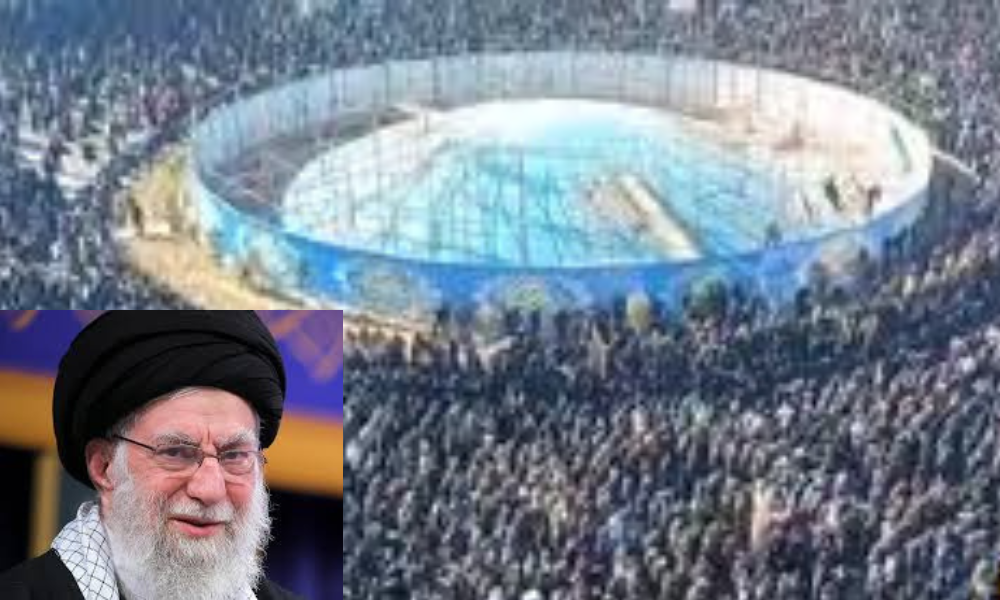
L’attacco e l’uccisione della Guida Suprema iraniana, Ali Khamenei, in un’operazione congiunta di Stati Uniti e Israele, rappresentano indubbiamente la notizia più recente di maggior rilievo. Un evento che, al di là della sua portata simbolica e strategica, si inscrive in una traiettoria storica iniziata ben prima del crescendo recente e che trova nel 2014 un passaggio cruciale. Quell’anno l’Iran sembrava attraversare una stagione di possibile distensione. Hassan Rouhani, al suo primo anno pieno di presidenza, si presentava come persona moderata e pragmatica. Forte della sua esperienza quale capo negoziatore sul nucleare tra il 2003 e il 2005, Rouhani avviò l’implementazione dell’accordo interinale con il gruppo P5+1 (Stati Uniti, Russia, Regno Unito, Francia, Cina, più la Germania). L’intesa prevedeva la temporanea riduzione dell’arricchimento dell’uranio e la limitazione di specifiche attività nucleari in cambio di un alleggerimento parziale delle sanzioni. L’Agenzia Internazionale per l’Energia Atomica fu incaricata del monitoraggio tecnico dell’accordo.
Purtroppo, Le tensioni tra esecutivo, parlamento conservatore e magistratura limitarono la portata delle riforme. Organizzazioni per i diritti umani denunciarono un numero elevato di esecuzioni capitali, mentre giornalisti e attivisti subirono arresti e restrizioni. La promessa di apertura rimase in gran parte incompiuta. Nel medesimo anno, sul fronte mediorientale, il quarto gabinetto di Benjamin Netanyahu lanciò l’operazione militare “Margine Protettivo” nella Striscia di Gaza. Contestualmente, diverse analisi hanno documentato come l’Iran abbia continuato a sostenere finanziariamente e logisticamente Hamas, con trasferimenti di fondi che sarebbero proseguiti fino al 2020. La dinamica rientra in una più ampia strategia regionale iraniana, volta a costruire un sistema di alleanze e forze indirette capace di proiettare influenza oltre i propri confini. L’instabilità interna degli ultimi mesi, segnata da proteste represse con durezza e aggravata da una profonda crisi economica, appare dunque come l’esito di una situazione accumulata negli anni.
L’azione militare statunitense fa eco a un’altra notizia recente: l’accordo tra OpenAI e il Dipartimento della Difesa degli Stati Uniti – “dipartimento della Guerra” nell’amministrazione Trump – per l’utilizzo di modelli di intelligenza artificiale in reti secretate del Pentagono. L’intesa conterrebbe clausole che escludono l’impiego per sorveglianza di massa, armi autonome prive di supervisione umana o sistemi decisionali automatizzati ad alto rischio, inclusi meccanismi assimilabili a forme di “credito sociale” sul modello di quello introdotto in Repubblica Popolare Cinese proprio nel 2014. Il precedente fornitore, Anthropic, avrebbe rifiutato di rimuovere alcune limitazioni contrattuali richieste dal governo statunitense per consentire tutti gli usi ritenuti “leciti” in ambito militare. Il cofondatore (da una costola di OpenAI) e amministratore delegato Dario Amodei ha sostenuto che talune applicazioni oltrepassano i confini etici e tecnologici della sicurezza; tuttavia, gli USA starebbero ancora impiegando i servizi di Anthropic nell’attacco all’Iran. Evidentemente diversa la posizione di Sam Altman, AD e cofondatore di OpenAI nel 2015, e che l’anno prima consolidava il proprio ruolo nel panorama dell’innovazione alla guida di Y Combinator, con cui stava espandendo programmi e fondi per finanziare nuove aziende e tecnologie. L’orizzonte dell’epoca era segnato proprio dall’espansione delle reti neurali profonde e dall’ascesa dell’intelligenza artificiale applicata.
Il 2014 fu, più in generale, un anno di svolta sistemica. Facebook, sotto la guida di Mark Zuckerberg, acquisì WhatsApp per 19 miliardi di dollari e rafforzò il “giusto” programma FAIR (Facebook AI Research), segnando l’ingresso deciso dei grandi attori digitali nella competizione sull’IA. In Europa capitava invece qualcosa che riguarda l’Italia e il mondo delle tecnologie mature. FCA nacque dall’integrazione tra Fiat e Chrysler, con sede legale nei Paesi Bassi e fiscale nel Regno Unito. Un processo che avrebbe condotto, anni dopo, alla creazione di Stellantis, conglomerato oggi attraversato da tensioni industriali e finanziarie. Fu il Primo tassello di uscita dall’Italia che colpisce principalmente i marchi italiani (e la Scuderia Ferrari non vince il mondiale piloti di Formula 1 dal 2007!). Nel mentre, il presidente John Elkann è di recente entrato nel CdA di Facebook. Inoltre, è dal 2017 che Larry Fink – dal 1988 cofondatore e AD della più grande società di gestione patrimoniale al mondo, BlackRock – investe nell’IA.
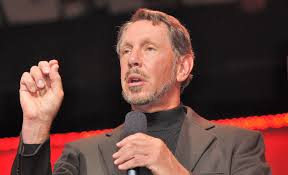
Sul piano geopolitico, il 2014 vide l’annessione russa della Crimea e l’avvio del conflitto nel Donbass. “L’Apprendista” stregone si candidò alla presidenza USA l’anno successivo, mentre, la Cina lanciava la “Nuova Via della Seta” e investiva già nell’IA; Dodici anni fa, come il 2026 dedicato al cavallo (ma di legno, mentre oggi quello corrente è di fuoco), Pechino – chiudendo l’uso della posta elettronica di Google – aveva aperto la Banca Asiatica per gli Investimenti in Infrastrutture (AIIB), organizzazione multilaterale promossa come alternativa alla Banca Mondiale (ispirazione per il “Consiglio per la Pace” trumpiano?), sulla scia del nuovo 中国梦 (sogno cinese). In proposito, dopo l’invasione russa dell’Ucraina, nello stesso 2022 l’AD cofondatore di Palantir, Alex Karp, incontrava Volodymyr Zelenskyj per stringere un accordo di collaborazione. L’apporto dell’azienda USA – già fornitore del governo americano, e anche di quello israeliano – verte sulla gestione evoluta di dati e IA per potenziare le capacità di analisi di forze armate ed istituzioni governative, con utilizzi che spaziano dal campo di battaglia alla pianificazione civile. E’ interessante notare che l’azienda nacque nel 2003 per supportare la CIA in risposta agli eventi dell’11 settembre. Mutatis mutandis con un’ennesima importante azienda statunitense, che nacque nel 1977 attraverso un grande progetto di creazione e gestione di banche dati relazionali della CIA. Nome in codice: Oracle, il cui cofondatore, Larry Ellison, ne è stato AD fino al 2014, e oggi è il presidente esecutivo.
Dalla questione del nucleare iraniano ai problemi dello stato di Israele, alla militarizzazione dell’intelligenza artificiale, e anche alle faccende legate al finanziere Jeffrey Epstein, il filo rosso da mezzo secolo è la progressiva intersezione tra tecnologia, finanza e potere: le piattaforme digitali diventano infrastrutture geopolitiche. In questo scenario, l’ordine internazionale appare sempre più plasmato dall’intreccio tra innovazione tecnologica e ambizione strategica, in un equilibrio instabile tra sicurezza, etica e dominio. “Propter vitam vivendi perdere causas”, come scrisse il poeta satirico laziale Decimo Giunio Giovenale (tra il I e il II secolo CE), ovvero: pur di preservare la propria vita, si rinuncia a ciò che rende la vita degna di essere vissuta, come valori, scopi e relazioni (spiritualmente) significative. Si osserva altresì che tutti gli attori imprenditoriali occidentali sopra citati condividono le medesime origini culturali o biografiche: l’ebraismo. Non automaticamente una variabile esplicativa strutturale, ma una coincidenza sociologica interessante nel contesto delle dinamiche globali.
From Iran to the Pentagon: power trajectories amid geopolitics, technology, and new global balances
by Marco Andreozzi
The attack and assassination of Iranian Supreme Leader Ali Khamenei, in a joint operation between the United States and Israel, is undoubtedly the most recent major news. This event, beyond its symbolic and strategic significance, is part of a historical trajectory that began well before the recent crescendo and reached a crucial turning point in 2014. That year, Iran appeared to be experiencing a period of potential truce. Hassan Rouhani, in his first full year as president, presented himself as a moderate and pragmatic persona. Drawing on his experience as chief nuclear negotiator between 2003 and 2005, Rouhani initiated the implementation of the interim agreement with the P5+1 group (United States, United Kingdom, Russia, France, China, plus Germany). The agreement provided for a temporary reduction in uranium enrichment and the limitation of specific nuclear activities in exchange for a partial easing of sanctions. The International Atomic Energy Agency was tasked with technically monitoring the agreement.
Unfortunately, tensions between the executive branch, the conservative parliament, and the judiciary limited the scope of reforms. Human rights organizations denounced a high number of executions, while journalists and activists faced arrests and restrictions. The promise of openness remained largely unfulfilled. That same year, on the Middle East front, Benjamin Netanyahu’s fourth government launched the military operation “Protective Edge” in the Gaza Strip. At the same time, several analyses have documented how Iran continued to provide financial and logistical support to Hamas, with transfers of funds expected to continue until 2020. This dynamic is part of a broader Iranian regional strategy aimed at building a system of alliances and indirect forces capable of projecting influence beyond its borders. The internal instability of recent months, marked by harshly repressed protests and exacerbated by a deep economic crisis, therefore appears to be the result of a situation that has accumulated over years.
The US military action echoes another recent development: the agreement between OpenAI and the US Department of Defense—the “Department of War” in the Trump administration—to use artificial intelligence models in classified Pentagon networks. The agreement reportedly contains clauses excluding use for mass surveillance, autonomous weapons without human oversight, or high-risk automated decision-making, including mechanisms similar to “social credit” models, akin to those introduced in the People’s Republic of China right in 2014. The previous supplier, Anthropic, reportedly refused to remove certain contractual restrictions required by the US government to allow all uses deemed “legal” in the military context. Co-founder (an offshoot of OpenAI) and CEO Dario Amodei has argued that certain applications cross the ethical and technological boundaries of security; however, the US is still reportedly using Anthropic’s services in the attack on Iran. Sam Altman, CEO and co-founder of OpenAI in 2015, clearly hold a different position. In 2014, he had consolidated his role in the innovation landscape at the helm of Y Combinator, through which he was expanding programs and funds to finance tech startups. The horizon at the time was precisely marked by the expansion of deep neural networks and the rise of applied artificial intelligence.
More generally, 2014 was a year of systemic change. Facebook, under the leadership of Mark Zuckerberg, acquired WhatsApp for $19 billion and strengthened the FAIR (Facebook AI Research) program, marking the decisive entry of major digital players into the AI competition. In Europe, something was happening that affected Italy and the world of mature technologies. FCA was born from the merger of Italy’s Fiat and US’s Chrysler, with its registered office in the Netherlands and tax office in the United Kingdom. This process would lead, years later, to the creation of Stellantis, a conglomerate currently beset by industrial and financial tensions. It was the first step towards exiting Italy and mainly affecting Italian car-brands (and Scuderia Ferrari has not won the Formula 1 drivers’ championship since 2007!) Meanwhile, Chairman John Elkann recently joined Facebook’s board of directors. Furthermore, Larry Fink—co-founder and CEO of the world’s largest asset management firm, BlackRock, since 1988—has been investing in AI since 2017.
On the geopolitical level, 2014 saw Russia’s annexation of Crimea and the outbreak of the conflict in Donbass. “The (Sorcerer’s) Apprentice” ran for US president the following year, while China launched the “New Silk Road” and already invested in AI; Twelve years ago, dedicated to horse like 2026 (but a wooden one, while the current is a fiery one), Beijing—while shutting down Google’s email service—opened the Asian Infrastructure Investment Bank (AIIB), a multilateral organization promoted as an alternative to the World Bank (the inspiration for Trump’s “Board of Peace”?), in the wake of the new 中国梦 (China dream). In this regard, after the Russian invasion of Ukraine, in 2022, Palantir co-founder and CEO Alex Karp met with Volodymyr Zelensky to finalize a collaboration agreement. The contribution of the US company—already a supplier to the US and Israeli governments—focuses on advanced data management and AI to enhance the analytical capabilities of the military and government institutions, with uses ranging from the battlefield to civilian planning. Interestingly, the company was founded in 2003 to support the CIA in its response to the events of September 11. Mutatis mutandis, this applies to yet another major US company, which was founded in 1977 through a big project to create and manage relational databases for the CIA. Code name: Oracle, whose co-founder, Larry Ellison, was CEO until 2014 and is now its executive chairman.
From the Iranian nuclear issue to the problems of Israel, the militarization of artificial intelligence, and even to the matters surrounding the financier Jeffrey Epstein, the common thread for half a century has been the progressive intersection of technology, finance, and power: digital platforms are becoming geopolitical infrastructures. In this scenario, the international order appears increasingly shaped by the intertwining of technological innovation and strategic ambition, in an unstable balance between security, ethics, and domination. “Propter vitam vivendi perdere causas,” as the Italy’s Latian satirical poet Decimus Junius Juvenal wrote (between the I and II centuries CE), meaning: in order to preserve one’s life, one renounces what makes life worth living, such as values, purpose, and (spiritually) meaningful relationships. It is also noteworthy that all the Western business players mentioned above share the same cultural or biographical origins: Judaism. Not automatically a structural explanatory variable, but an interesting sociological coincidence in the context of global dynamics.
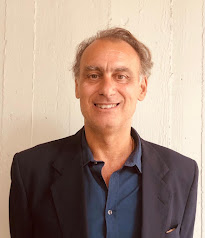
Marco Andreozzi, è Dottore in Ingegneria Meccanica, Economia/Amministrazione (Politecnico di Torino). Tecnologo industriale e specialista del settore energetico, proviene da esperienze professionali in cinque multinazionali in Italia e paesi extra-europei, e come direttore generale da un quarto di secolo; nomade digitale dal 2004 al 2019, e’ sinologo, parla correntemente il mandarino e in Cina e’ stato docente a contratto.
Marco Andreozzi, is a Doctor in Mechanical Engineering, Economics/Administration (Polytechnic of Turin). Industrial technologist and specialist in the energy sector, he comes from professional practices in five corporates in Italy and non-European countries, and as managing director for a quarter of a century; digital nomad from 2004 to 2019, he is a sinologist, speaks fluent Mandarin and was a visiting professor in China.


