
Tecnologia
La AI nell’arte-AI in Art

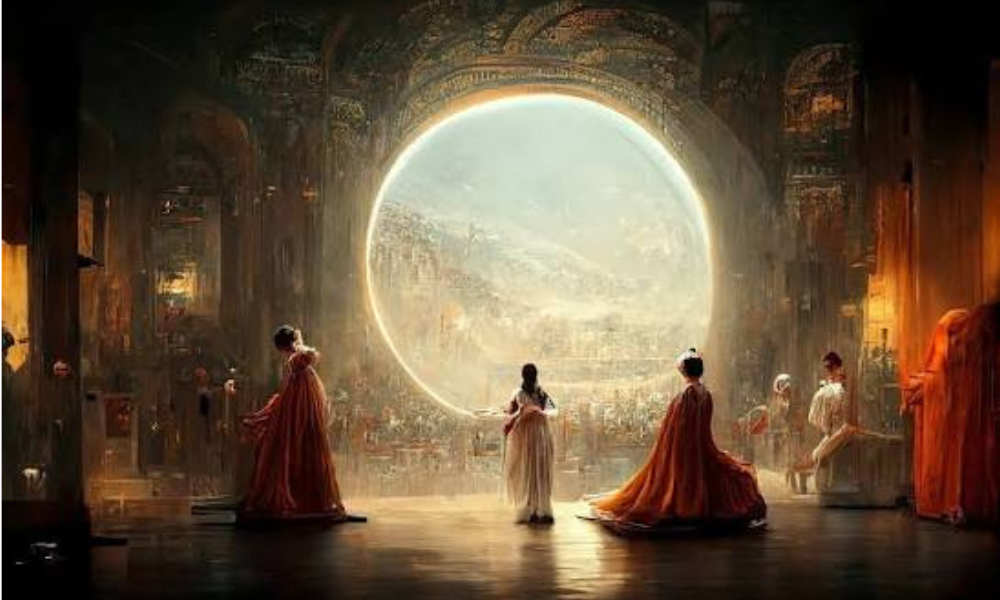


La AI nell’arte
Cosa manca ad un’opera d’arte prodotta digitalmente da un software e perfettamente commerciabile come prodotto umano?
Di Sergio Laccone
La grande paura dell’AI, che è ormai capace di elaborare ed imitare attività umane molto sofisticate, rielaborando e avvalendosi peraltro dell’esperienza passata degli umani stessi, mi suggerisce e mi spinge ad alcune riflessioni.
Con la creazione del mercato globale e la diffusione di massa della cultura e dei suoi “prodotti”, il successo di un’opera artistica viene sempre più considerato da un punto di vista commerciale ed economico, ossia da quanto ha reso la sua vendita e dal suo potenziale valore nel produrre ricchezza economica.
Cosa manca ad un’opera d’arte prodotta digitalmente da un software e perfettamente commerciabile come prodotto umano?
Evidentemente manca il percorso necessario a produrla, che è la parte più utile alla nostra evoluzione, uno dei motivi alla base dell’arte come fenomeno storico e sociale.
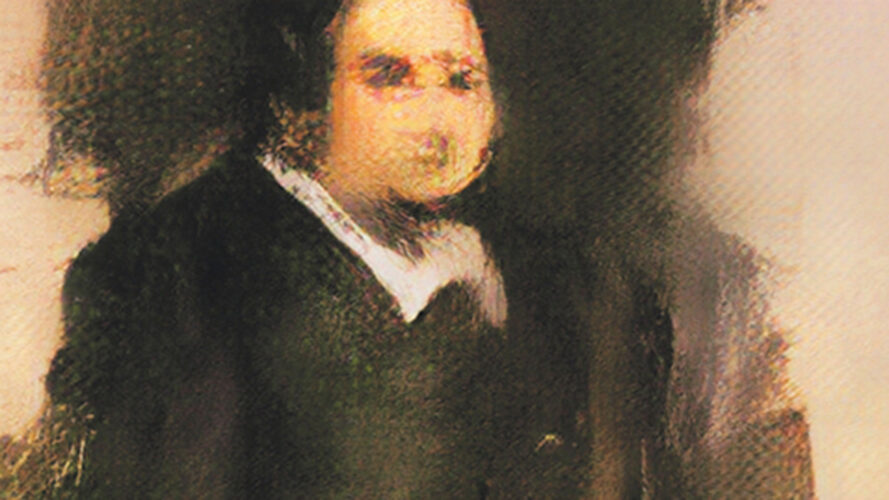
Un capolavoro artistico rappresenta una spinta, un impulso a raggiungere vette elevate, o se preferite profondità inesplorate. Un esempio di percorso per acquisire una maggior coscienza di noi stessi e della nostra identità cosmica di esseri che appartengono al tutto, al mondo fenomenico e a quello immaginario o se volete: fisico e “ultra” fisico.
Naturalmente le opere prodotte da una pur sofisticatissima macchina non posseggono questo anelito. Ne sono solo la riproduzione finemente elaborata, una evocazione di un nobile oggetto, come i frutti finti e decorativi, che riempiono gli occhi, stimolano, ma non nutrono perché vuoti della sostanza che ha creato la forma.
Dovremmo essere grati alla Intelligenza artificiale, che ha finalmente smascherato il mito del valore di un’opera legato sostanzialmente al suo successo commerciale.
Significa che il successo di pubblico su un’opera e la sua grande fruibilità non sono importanti?
Certo che lo sono, ma significa anche che forse, per non smarrirsi in un mondo dove tutto sembra facile e possibile, non per caso chiamato “virtuale”, bisogna analizzare e prendere atto di quello che è reale e che si svolge a favore del nostro percorso di esseri umani.
Questo vale soprattutto nell’educazione e nelle scuole dove gli insegnamenti umanistici vengono soppressi e tutte le discipline si muovono verso la formazione di tecnici che sappiano usare quanto già esiste per produrre simulacri di opere che sono buone fonti di guadagno (per alcuni), ma che sono prive della sostanza che le renderebbe valide per le nostre vite e la nostra evoluzione. Opere appunto solo virtuali
AI in Art
What is missing from a work of art produced digitally by software and perfectly marketable as a human-made product?
By Sergio Laccone
The great fear surrounding AI—which is now capable of processing and imitating highly sophisticated human activities, while also reworking and drawing on the past experiences of humans themselves—prompts me to reflect on a few points.
With the creation of the global market and the mass dissemination of culture and its “products,” the success of a work of art is increasingly viewed from a commercial and economic perspective—that is, in terms of how much its sale has yielded and its potential value in generating economic wealth.
What is missing from a work of art produced digitally by software and perfectly marketable as a human-made product?
Clearly, the process necessary to produce it is missing—and that is the part most useful to our evolution, one of the underlying reasons for art as a historical and social phenomenon.
An artistic masterpiece represents a driving force, an impulse to reach lofty heights—or, if you prefer, unexplored depths. It is an example of a path toward gaining greater awareness of ourselves and of our cosmic identity as beings who belong to the whole—to the phenomenal world and the imaginary one, or, if you will, the physical and the “ultra”-physical.
Naturally, works produced by even the most sophisticated machine lack this yearning. They are merely finely crafted reproductions, an evocation of a noble object—like fake, decorative fruits—that delight the eye and stimulate the senses but do not nourish, for they are devoid of the substance that gave rise to their form.
We should be grateful to artificial intelligence, which has finally debunked the myth that a work’s value is essentially tied to its commercial success.
Does this mean that a work’s popularity with the public and its broad accessibility aren’t important?
Of course they are, but it also means that perhaps—in order not to lose our way in a world where everything seems easy and possible, a world not coincidentally called “virtual”—we must analyze and acknowledge what is real and what contributes to our journey as human beings.
This is especially true in education and in schools, where the humanities are being phased out and all disciplines are shifting toward training technicians who know how to use what already exists to produce simulacra of works that are good sources of income (for some), but which lack the substance that would make them meaningful for our lives and our evolution. Works that are, in fact, merely virtual.


