
Italiani nel Mondo
I nuovi volti dell’emigrazione italiana- The changing faces of Italian migration



I nuovi volti dell’emigrazione italiana
«Sono una grande fan di “mogli e buoi dei Paesi tuoi”. È vero che si possono avere famiglie con tutte le nazionalità possibili e immaginabili – ma per come sono fatta io, ho trovato molto comoda questa comfort zone di avere un partner con cui avevo una conoscenza di lungo periodo» Un’emigrata italiana parlando della scelta di partner/marito
“Quando hai che fare con i bambini parli col cuore, e io nel cuore ho solo l’italiano”, un italiano all’estero parlando di come parla con i figli.
«I miei figli non vivono all’estero: vivono nel loro Paese… o quantomeno, in uno dei loro Paesi, perché loro sono anche spagnoli, lo straniero in fondo sono solo io». Come un italiano all’estero presenta la situazione dell’identità dei figli nati in un altro paese, di madre cittadina del paese.
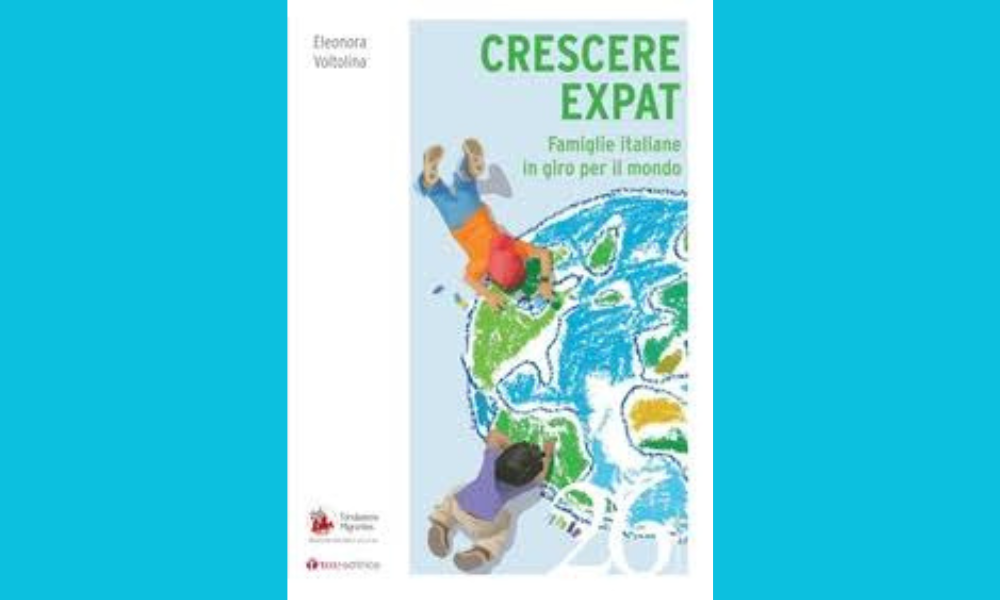
Le tre citazioni sono tratte dal libro “CRESCERE EXPAT Famiglie italiane in giro per il mondo”, di Eleonora Voltolina, pubblicato in Italia da TAU Editrice (Todi, PG) con il patrocinio della Fondazione Migrantes, ente pastorale della CEI, la Conferenza Episcopale Italiana (Conferenza Episcopale Italiana della Chiesa Cattolica).
Eleonora Voltolina è lei stessa un’espatriata italiana in Svizzera e ha deciso di condurre una ricerca su un certo numero di espatriati italiani delle ultime generazioni in tutto il mondo; il libro riesce non solo nel suo scopo dichiarato di fornire un ritratto dei vari tipi di famiglie italiane nel mondo, ma anche perché sarebbe un’ottima lettura per gli italiani che stanno valutando di trasferirsi in altri paesi per una nuova esperienza lavorativa o in modo permanente.
Inoltre, spiega molto bene come un’esperienza all’estero possa iniziare come una tappa temporanea della propria vita che diventa permanente, o anche come un tentativo di iniziare una nuova vita in un altro paese per poi tornare in Italia, o ancora di provare più di un paese o tornare in Italia solo per ripartire.
Il punto di forza del libro è quello di mostrare come l’emigrazione italiana sia cambiata dopo l’enorme ondata migratoria del secondo dopoguerra e, in quanto figlio di emigranti di quell’epoca, posso testimoniare in prima persona queste differenze.
La prima citazione, con il suo riferimento a «Donne e buoi dei paesi tuoi», segna un grande cambiamento nell’atteggiamento degli italiani nei confronti dei matrimoni con stranieri.
Infatti, la maggior parte dei migranti italiani del dopoguerra sposava qualcuno della propria città natale o della propria regione, a volte con mogli scelte dalla famiglia rimasta in Italia e, per quanto possa sembrare strano, in quel periodo un migrante italiano era più propenso a sposare una persona non italiana piuttosto che una persona proveniente da un’altra regione.
L’altro cambiamento che sconvolgerebbe i migranti di quel periodo è quello della convivenza tra persone non sposate, che fino a non molto tempo fa era considerata “vivere nel peccato”.
Inoltre, ciò che sarebbe stato impensabile nei primi quarant’anni dopo la Seconda guerra mondiale a causa dei tempi di viaggio e, soprattutto, della mancanza di voli internazionali relativamente economici, era il fenomeno dei giovani in grado di viaggiare in più di un paese, persino in più di un continente, per trovare il proprio posto nel mondo.
La seconda citazione relativa alla lingua sottolinea un aspetto talmente naturale da passare quasi inosservato, e che pochissimi discendenti di migranti italiani prendono in considerazione quando pensano ai propri antenati: la lingua parlata in casa ai figli dei migranti è quasi sempre l’italiano, per cui questi bambini di solito conoscevano molto poco la lingua del loro paese di nascita fino all’inizio della scuola, il che spesso ha creato premesse per problemi con gli insegnanti nel corso degli anni di istruzione.
Ciò che emerge chiaramente dal libro è che una cosa non è cambiata nel corso delle generazioni di immigrati italiani dal dopoguerra: l’assenza dei nonni per molti bambini durante la loro crescita, il che spesso significa ancora che i bambini non arrivano a conoscere veramente i propri nonni e che i nonni spesso si perdono molti eventi importanti della vita dei nipoti, a partire dal battesimo e dal primo giorno di scuola…
E spesso questo significava anche che i figli di un migrante italiano che aveva sposato una persona del posto conoscevano i nonni locali, ma di solito non potevano dire lo stesso di quelli in Italia.
Altre differenze tra i migranti del passato e gli “espatriati” di oggi derivano da un evento che ha interessato l’Italia, e gran parte dell’Europa: le rivolte studentesche del 1968, che hanno cambiato radicalmente la società del Paese.
Ciò è dimostrato dal fatto che molte delle coppie moderne intervistate hanno convissuto prima di sposarsi, spesso avendo persino figli prima di prendere quella decisione. A queste si aggiungono anche coloro che hanno convissuto con altri partner prima di trovare la persona “giusta”.
Il libro mostra chiaramente che una questione non è cambiata nel corso dei decenni, quella dell’“identità”, e questo è sintetizzato nella terza citazione.
Infatti, mentre è facile etichettare come “italiana” una famiglia composta da migranti italiani che parla italiano in casa, quando un migrante italiano sposa una persona del posto, e ancor più se il coniuge è anch’esso un migrante ma proveniente da un altro paese, la definizione di quella famiglia, e dei figli in particolare, diventa molto più complicata.
In questi casi, la lingua parlata in casa di solito non è l’italiano, ma la lingua del paese ospitante, il che significa che l’insegnamento dell’italiano ai figli è importante per mantenere la parte italiana della loro identità personale.
In effetti, il tema dell’insegnamento dell’italiano ricorre più volte nelle storie personali degli espatriati che hanno partecipato al sondaggio. Queste storie personali sono affascinanti, e le vicissitudini delle loro vite risulteranno sorprendentemente familiari a chiunque sia cresciuto come figlio di migranti in qualsiasi paese.
Qualcuno potrebbe pensare che leggere un’indagine sia noioso, ma si sbaglierebbe riguardo a questo libro perché, con gli esempi che Eleonora fornisce, è esemplare nel dimostrare come e perché le famiglie di migranti cambiano da caso a caso, e persino da paese a paese.
Prima di concludere, devo anche sottolineare che il libro mostra molto bene come i consolati italiani agiscano in modo diverso da un paese all’altro, e come molti di essi siano attivamente coinvolti nell’assistere i propri connazionali su dove far studiare l’italiano ai propri figli e su come integrarsi nel paese nel miglior modo possibile.
E l’eccellenza di questo libro mette in luce anche quanto siano scarse le informazioni di prima mano di cui disponiamo sulle numerose generazioni di migranti italiani precedenti alla Seconda guerra mondiale, e non solo perché tali informazioni avrebbero spiegato le grandi differenze tra le comunità italiane, anche all’interno dello stesso Paese.
In conclusione, consiglio vivamente questo libro, non solo a chi vuole saperne di più sull’esperienza migratoria, ma anche a chi sta pensando di provare a vivere in altri paesi, perché, come spiegano i partecipanti, ognuno a modo suo, «sai cosa stai lasciando ma non sai cosa troverai»…
Per chi desidera leggere il libro in formato elettronico: https://www.amazon.it/CRESCERE-EXPAT-realizzata-allestero-Migrantes-ebook/dp/B0GHZRQBW9/ . Per chi desidera una copia cartacea: https://www.taueditrice.it/libro/crescere-expat/. Al momento il libro è disponibile solo in Italia.
The changing faces of Italian migration
“I’m a big fan of the (Italian) saying “Donne e buoi dei paesi tuoi” (Women and cows from your own towns). It’s true that you can have families made up of every nationality under the sun – but given my personality, I’ve found this comfort zone of having a partner I’ve known for a long time to be very reassuring.” An Italian expat speaking about her choice of partner/husband.
“When you’re dealing with children, you speak from the heart, and in my heart there’s only Italian,” an expat explaining how he speaks to his children.
“My children don’t live abroad: they live in their own country… or at least, in one of their countries, because they are also Spanish; really, I’m the only foreigner here.” An Italian expat describing the identity of his children born in another country to a mother who is a citizen of that country.
The three quotes come from the book “CRESCERE EXPAT Famiglie italiane in giro per il mondo” (GROWING UP AS AN EXPAT, Italian families around the world), by Eleonora Voltolina and published by TAU Editrice (Todi, PG) in Italy, under the auspices of the Fondazione Migrantes, a pastoral entity within the CEI, the Conferenza Episcopale Italiana (Italian Episcopal Conference of the Catholic Church).
Eleonora Voltolina is herself an Italian expat in Switzerland, and she decided to carry out a research of a number of Italian expats of recent generations around the world and the book succeeds not just in its stated purpose of providing a portrait of the various types of Italian families around the world, but also because it would also be an excellent book for Italians considering moving to other countries for a new work experience, or permanently.
Furthermore, she also explains extremely well how an experience overseas can start as a temporary stage in one’s life that becomes permanent, or even as an attempt to start a new life in another country to then return to Italy, or even to try more than one country or return to Italy only to leave once again.
What the book does best is to show how Italian Migration has changed since the huge wave of Migration after the Second World War and, as the son of migrants of that post war wave, I can give direct testimony to these differences.
The first quotation, with its reference to “Donne e buoi dei paesi tuoi” marks a great shift in the attitude of Italians towards marriage to non-Italians.
In fact, most of the post-war Italian migrants married someone from their hometown or region, sometimes with wives chosen by the family left in Italy and, strangely enough, during that period an Italian migrant was more likely to marry a non-Italian than a person from another region.
The other change that would horrify the migrants from that period is that of unmarried people living together which, until not long ago, was considered “living in sin”.
Furthermore, what would also have been unthinkable for the first four decades after the Second World War due to the travel times and, above all, the lack of relatively cheap international flights, was the phenomenon of young people being able to travel to more than one country, even to more than one continent, to find their place in the world.
The second quotation regarding language states something so natural that it could pass unnoticed and it is something that very few descendants of Italian migrants consider when they think about their migrant ancestors, that the language spoken to the children of migrants in the home is almost always Italian, and so those children usually knew very little of the language of their country of birth until they started school, often setting the stage for problems with teachers over their years of their education.
What is also very clear from the book is that one thing has not changed over the generations of Italian migrants since the war, the absence of the grandparents for many children as they grow up, which often still means that the children do not really get to know their grandparents and that the grandparents often miss many important events on the grandchildren’s lives, starting from baptism and the first day of school…
And often this also meant that the children of an Italian migrant who married a local got to know their local grandparents, but they usually could not say the same about the ones in Italy.
Other differences between the migrants of the past and the present day “expats” come from an event in Italy, and much of Europe, the 1968 student revolts that radically changed the country’s society.
And this is shown by how many of the modern couples interviewed lived together before marrying, often even having children before making that decision. And to these can also be added those who lived with other partners before finding the “right” person.
The book also clearly shows that one issue has not changed over the decades, the issue of “identity” and this is summarized in the third quotation.
In fact, while it is easy to label a family made up of Italian migrants that speaks Italian at home as “Italian”, when an Italian migrant marries a local, and even more if the spouse is also a migrant but from another country, the definition of that family, and the children in particular, becomes much more complicated.
In these cases, the language spoken at home is usually not Italian, but the language of the host country, which means that the teaching of Italian to the children is important for maintaining the Italian part of their personal identity.
Indeed, the issue of teaching of Italian arises time and time again within the personal stories of the expats who took part in the survey. These personal stories are fascinating, and the issues of their lives will be strikingly familiar to anyone who grew up as the child of migrants in any country.
Some could think that reading a survey may be boring, but they would be mistaken about this book because, with the examples that Eleonora provides, it is exemplary in demonstrating how and why families of migrants change from case to case, and even from country to country.
Before concluding, I must also state that the book shows very well how Italian Consulates act differently from country to country, and how many of them are actively involved in assisting their fellow countrymen and women on where to teach their children Italian, and how to integrate into the country in the best way possible.
In brief, with this book Eleonora Voltolina demonstrates exemplarily how the faces of Italian migration have changed in recent decades and continue to change.
And the excellence of this book also highlights how little firsthand information we have of the many generations of Italian migrants before the Second World War, and not just because that information would have explained the big differences between Italian communities, even within the same country.
In conclusion, I highly recommend this book, not just to those who want to know more about the migration experience, but also to those considering trying life in other countries, because, as the participants explain, each in their own way, “you know what you are leaving but you do not know what you will find”…
For those who want to read the book in electronic format: https://www.amazon.it/CRESCERE-EXPAT-realizzata-allestero-Migrantes-ebook/dp/B0GHZRQBW9/ . For those who want a paper copy: https://www.taueditrice.it/libro/crescere-expat/ . At the moment the book is only available in Italia.


