
Italiani nel Mondo
Le enclavi italiane nel mondo, e le enclavi ora in Italia -Italian enclaves around the world, and the enclaves in Italy now


Le enclavi italiane nel mondo, e le enclavi ora in Italia
Le enclavi italiane nel mondo sono diventate leggendarie. In molti casi queste zone di centri urbani in ogni continente, sono diventate “Little Italy” (la piccola Italia) e al loro interno i nostri parenti e amici all’estero hanno fatto i primi passi nei loro nuovi paesi di residenza.
Questi luoghi avevano i loro negozi di alimentari italiani, con verdure spesso coltivate in casa da semi portati dagli stessi immigrati per poter mangiare come a casa loro in Italia.
E poi, a seconda delle capacità degli immigrati italiani, i negozi che aprivano comprendevano anche macellerie, panetterie, negozi di riparazione di scarpe, pasticcerie e persino negozi che vendevano giornali in lingua italiana, locali e/o importati, e poi dischi e altri prodotti come videocassette e poi DVD di film e così via.
Con il passare del tempo, sono nati veri e propri enti statali, studi di avvocati e altri professionisti italiani che servivano le comunità italiane locali. Tutti avevano manifesti e vetrine con cognomi italiani e pubblicità, anche in italiano, per i prodotti/servizi forniti da ciascuna attività.
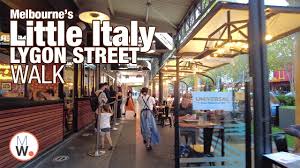
Ricordo i viaggi regolari in Australia da Adelaide, che non aveva una “Little Italy” in quanto tale, a Melbourne per visitare i parenti in quella città. Percorrevamo le strade di Coburg, un sobborgo di Melbourne, dove quasi tutti i negozi avevano nomi italiani, persino le gioiellerie e le farmacie. E vedendo questi negozi sapevamo di essere all’ultima tappa del viaggio di quasi 800 km verso le case dei nostri parenti e amici, che fossero calabresi, la regione di mio padre, o laziali, la regione di mia madre.
Purtroppo, questi centri erano anche oggetto di scherno e derisione da parte di quella parte della popolazione locale che aveva poca pazienza per gli inevitabili cambiamenti che seguono l’arrivo degli immigrati in qualsiasi Paese. Questo in un Paese nato dalle colonie britanniche…
Naturalmente, in queste zone le chiese cattoliche avevano sacerdoti, di solito italiani, e spesso maltesi di lingua italiana, che celebravano la Messa e amministravano i sacramenti, in particolare battesimi e matrimoni, in italiano.
Tuttavia, con il giro d’affari generato dai negozi nei primi anni e, infine, con l’esplosione dei ristoranti e delle pizzerie italiane che hanno fatto conoscere i nostri piatti ai non italiani, i supermercati e persino i grandi magazzini si sono resi conto che prodotti come la pasta (di tutti i tipi), i piccoli alimenti italiani, verdure come melanzane, zucchine, carciofi e persino broccoli, vini italiani, olio e aceto, per citare i più popolari, avevano un mercato potenziale molto ampio che si estendeva ai locali che li assaggiavano nei ristoranti e a casa di amici italiani, e così i negozi italiani sono scomparsi.
Infatti, l’ultima volta che sono passato per quelle strade a Melbourne, l’anno prima di trasferirmi in Italia nel 2010, i negozi, molti ristoranti e gli uffici avevano nomi in arabo e turco, oltre che in altre lingue, a testimonianza dei nuovi immigrati nel Paese.
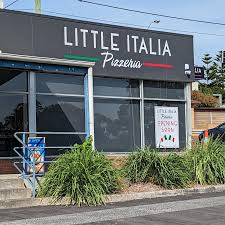
Leggendo le pagine degli italiani nel mondo, vedo post su post in ricordo di queste “Piccole Italie” che ormai stanno scomparendo perché, con il passare delle generazioni e l’integrazione dei figli/discendenti dei nostri emigranti, le comunità si sono estese in periferie più ricche.
E ho il dovere di dire che alcune delle imprese nate in quelle enclavi sono ancora oggi in attività, spesso importano prodotti italiani per il mercato locale, contribuendo allo sviluppo dell’economia italiana…
Ho visto con i miei occhi la crescita di queste imprese italiane e poi la chiusura di negozi e aziende che hanno segnato tutta la mia vita prima di trasferirmi in Italia.
E al mio arrivo in Italia, nel 2010, la prima cosa che ho notato è stata che l’Italia sta vivendo esattamente le stesse esperienze dei nostri parenti e amici d’oltreoceano, ma in questo caso da parte degli autoctoni piuttosto che degli immigrati, con le eccezioni che verranno spiegate di seguito.
Vedo piccoli negozi gestiti da africani, cinesi, albanesi, indiani e altre comunità che ora vivono in Italia. Vedo anche che queste comunità inviano denaro ai loro parenti in patria, proprio come facevano, e spesso fanno ancora, gli italiani all’estero.
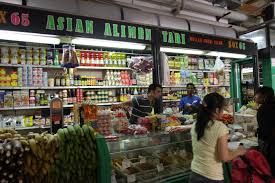
E ora vedo che i supermercati italiani vendono frutta e verdura esotica, oltre a spezie e ingredienti delle cucine di queste nuove comunità, compresa la pasta di riso che è parte integrante della cucina asiatica.
Infatti, come nelle esperienze d’oltreoceano, a partire dalla pasta di riso e dal cous-cous, e da altri prodotti non italiani, le grandi aziende italiane hanno deciso di produrli sia per il mercato italiano che per l’esportazione.
Inoltre, fin dal mio primo viaggio in Italia da sedicenne, ho sentito troppe volte da parenti e amici i racconti delle loro esperienze di immigrati all’interno del Paese, dal Sud al Nord, nei decenni successivi alla Seconda guerra mondiale, che non erano diverse dalle nostre oltreoceano…
Poi, ogni giorno in Italia, vedo anche esattamente quel che ho vissuto in Australia, ma con altri bersagli.
E poi, ogni giorno in Italia vedo esattamente quello che ho vissuto in Australia, ma con obiettivi diversi.
Ora, sento regolarmente nei bar e per strada la derisione e il disprezzo degli italiani che non accettano i nuovi residenti in Italia e troppo spesso sento dire in italiano quello che la parte bigotta della popolazione australiana diceva a me quando sono cresciuto in Australia. “Torna da dove vieni”, “Il tuo cibo fa schifo”, “Sei in Australia/Italia, e qui parliamo in inglese/italiano” (a chi sull’autobus/treno o per strada parlava con parenti/amici immigrati nella loro lingua madre, come facevano molti italiani all’estero), e molti altri commenti di questo tipo.

Scrivo queste parole con tristezza, perché speravo di non sentirle anche qui, ma devo confessare che non mi hanno sorpreso, perché non c’è nazionalità senza la sua parte di bigottismo…
Ma quello che so, e che mi dà fiducia per il futuro, è che queste enclavi straniere in Italia sono destinate a scomparire come è successo all’estero.
E so anche che, con l’integrazione dei nuovi immigrati, anche i pregiudizi e le discriminazioni, che sono le inevitabili doglie del parto di chi cerca una nuova vita in un altro Paese, per quanto dolorose, sono destinate a scomparire in futuro con la loro integrazione nel Paese e che, di conseguenza, l’Italia ne uscirà più bella e più forte di prima, ma solo se impareremo la lezione sia all’estero che in Italia.
E i successi dei figli degli immigrati sui campi sportivi di tutto il mondo con i colori sportivi dell’Italia sono la prova che questo sogno non è affatto irraggiungibile…
Infine, queste esperienze vanno conservate, e spero che gli immigrati ora in Italia stiano conservando la loro storia perché, così come va scritta la storia della nostra Emigrazione nel mondo, va scritta anche la storia dell’Immigrazione in Italia (interna e dall’estero), perché questi movimenti di innumerevoli persone hanno scritto la storia dell’Italia, nel bene e nel male, per ben oltre 150 anni…
E questa è una storia che non finirà mai perché, come troppi, e non solo in Italia, ancora non capiscono, in fondo la storia dell’umanità è la storia della sua migrazione dalla nascita nell’Africa centrale molti millenni fa, all’arrivo in ogni angolo di ogni continente del mondo, e infine anche nello spazio…
Italian enclaves around the world, and the enclaves in Italy now
Italian enclaves around the world have become legendary. In many cases these areas of urban areas in every continent have become “Little Italy” where our relatives and friends overseas took their first steps in the new countries of residence.
These places had their Italian grocery stores, with vegetables often grown at home from seeds brought over by the immigrants themselves to be able to eat like they did at home in Italy.
And then, depending on the skills of the Italian immigrants, the stores that opened also included butcher shops, bakeries, shoe repair shops, pastry shops, and even stores that sold Italian language newspapers, local and/or imported, and then records and other products such as videocassettes and then DVDs of films and so forth.
With the passing of time, there were real state agencies, lawyers’ offices, and other Italian professionals who served the local Italian communities. All of them had posters and shop windows with Italian surnames and advertising, even in Italian, for the products/services provided by each business.
I remember the regular trips in Australia from Adelaide, which did not have a “Little Italy” as such, to Melbourne to visit relatives in that city. We would drive through the streets of Coburg, a suburb of Melbourne, where almost every store had Italian names, even jewellery stores and pharmacies. And on seeing these stores we knew that we were at the last leg of the trip of almost 800km to the homes of our relatives and friends, whether they were from Calabria, my father’s region, or Lazio, my mother’s region.
Unfortunately, these centres were also the target of scorn and derision from that part of the local population that had little patience for the inevitable changes that follow the arrival of immigrants in any country. This in a country born out of British colonies…
Of course, in these areas the Catholic churches had priests, usually Italian, and often Italian speaking Maltese priests, who celebrated Mass and administered the sacraments, particularly baptisms and marriages, in Italian.
However, with the turnover generated by the stores in the early years, and, eventually, the explosion of Italian restaurants and pizzerie that introduced our dishes to non-Italians, the supermarkets and even the department stores realized that products such as pasta (of all kinds), Italian smallgoods, vegetables such as eggplants, zucchini, artichokes, and even broccoli rabe, Italian wines, oil and vinegar to name the most popular, had a very large potential market that extended to the locals who tasted them in the restaurants and at the homes of Italian friends, and so the Italian stores disappeared.
In fact, the last time I went through those streets in Melbourne, the year before moving to Italy in 2010, the stores, many restaurants, and offices, had names in Arabic and Turkish, as well as other languages, reflecting the new immigrants in the country.
Reading the pages of the Italians around the world, I see post after post in memory of these “Little Italies” that are now disappearing because, with the passing of generations, and the integration of the children/descendants of our emigrants, the communities have spread to more affluent suburbs.
And I have a duty to say that some of the businesses that started in those enclaves are still in operation today, often importing Italian products for the local market, helping the development of Italy’s economy…
I saw with my own eyes the growth of these Italian businesses and then the closures of stores and companies that marked my entire life before I moved to Italy.
And on my arrival in Italy in 2010, the first thing I noticed was that Italy is going through exactly the same experiences of our relatives and friends overseas, but in this case, on the part of the locals rather than the immigrants, with exceptions that will be explained below.
I see small shops run by Africans, Chinese, Albanians, Indians and other communities now living in Italy. I also see that these communities send money back to their relatives at home, just as the Italians overseas used to do, and often still do.
And now I see that Italian supermarkets sell exotic fruits and vegetables, as well as spices and ingredients of the cuisines of these new communities, including rice pasta that is an integral part of Asian cuisine.
In fact, just like experiences overseas, starting with rice pasta and cous-cous, and other non-Italian products, large Italian companies have decided to produce them both for the Italian market and for export.
Furthermore, ever since my first trip to Italy as a sixteen-year-old, I have heard too many times from my relatives and friend true stories of their experiences as immigrants within the country from the south to the north in the decades following Second World War, which were no different from ours overseas…
And then, every day in Italy I also see exactly what I experienced in Australia, but with different targets.
Now, I regularly hear in bars and on the street the derision and contempt from Italians who do not accept the new residents in Italy and all too often I hear in Italian what the bigoted part of the Australian population used to say to me when I grew up in Australia. “Go back to where you come from”, “Your food stinks”, “You’re in Australia/Italy, and here we speak in English/Italian” (to someone on the bus/train or on the street talking with immigrant relatives/friends in native their language at home, as many Italians overseas did), and many other comments of this kind.
I am typing these words with sadness, because I had hoped not to hear them here too, but I must confess that I was not surprised because there is no nationality without its share of bigotry…
But what I know, and it gives me confidence for the future, is that these foreign enclaves in Italy are destined to disappear as has happened overseas.
And I also know that, as the new immigrants integrate, even the prejudice and discrimination which are the inevitable birth pains of those seeking a new life in another country, however painful, are also destined to disappear in the future with their integration into the country and that, as a result, Italy will emerge more beautiful and stronger than before, but only if we learn the lessons both from overseas and in Italy.
And the successes of the children of immigrants on sports fields around the world wearing Italy’ sporting colours are the proof that this dream is by no means unattainable…
Finally, these experiences must be preserved, and I hope that the immigrants now in Italy are preserving their history because, just as the history of our Emigration around the world must be written, the history of Immigration in Italy (internal and from overseas) must also be written, because these movements of countless people have been writing the history of Italy, for better or for worse, for well over 150 years…
And this is a history that will never end because, as too many people, and not only in Italy, still do not understand, basically the history of humankind is the history of its Migration from its birth in central Africa many millennia ago, to its arrival in every corner of every continent in the world, and eventually even to space…


