
Italiani nel Mondo
La Storia non si trova sui social media o nei film/TV- History is not found on the social media or in the movies/TV


La Storia non si trova sui social media o nei film/TV
Se vogliamo prendere sul serio la nostra identità di italiani, dobbiamo conoscere e comprendere il nostro passato, ma sapere cosa è successo in passato non è sempre così chiaro come potrebbe sembrare anche ai partecipanti, figuriamoci a chi è venuto dopo.
Infatti, c’è un detto comune che recita: “La Storia è scritta dai vincitori”. E anche in questo caso l’origine di questo detto non è chiara. Molte fonti lo attribuiscono a Winston Churchill, che non solo è stato un personaggio storico di grande rilievo, ma anche vincitore del Premio Nobel per la letteratura per la sua Storia della lingua inglese, ma la verità è che nessuno sa con precisione chi abbia fatto per primo questa affermazione.
Sebbene sia vero che i primi libri sui grandi eventi siano scritti dai vincitori, tali libri sono spesso incompleti perché la documentazione che proverebbe quanto affermato nei libri è raramente disponibile subito dopo un determinato evento.
La verità è che la Storia reale e seria si basa su documentazione verificabile da altre fonti, e bisogna anche ricordare che dopo poco tempo, in termini storici, i protagonisti di un determinato evento non sono più in vita…
Ma anche se i protagonisti di un evento sono vivi, possono solo fornire un resoconto accurato di ciò che hanno visto e non di ciò che ha portato all’incidente/evento.
Questo è precisamente il motivo per cui il giornalismo è considerato la “bozza della Storia”, perché i giornalisti che scrivono ciò che leggiamo sui giornali e vediamo nei telegiornali possono solo attestare ciò che hanno visto sul luogo di un disastro, sul campo di battaglia o in qualsiasi evento con un ragionevole grado di accuratezza.
Se consideriamo solo la Seconda guerra mondiale, ci sono ancora molti eventi che sono oggetto di controversia oggi perché la documentazione ufficiale che registra le deliberazioni e le decisioni del governo è spesso ancora secretata come segreto di Stato.
Quando studiavo la Storia Contemporanea, il mio insegnante di Storia a scuola e poi i docenti e i tutor all’università avevano tutti una semplice regola d’oro: tutto ciò che affermavo nei miei elaborati doveva avere fonti credibili e verificabili, con le fonti elencate con precisione, per ogni affermazione fatta in ogni elaborato.
Sebbene frequentassi l’università negli anni ’70 e molti protagonisti degli eventi durante la guerra fossero ancora vivi, alla maggior parte delle domande che ponevamo durante le lezioni e i seminari su quella guerra veniva risposto con un “Non lo sappiamo ancora”. Ma si era appena aperta una piccola breccia.
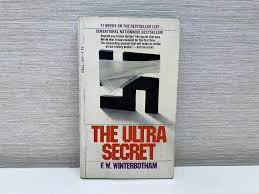
Fu in quel periodo che uscì “The Ultra Secret” scritto da F.W. Winterbotham, il primo libro che rivelò al pubblico che, relativamente presto all’inizio della guerra, gli inglesi avevano decifrato la famosa macchina codificatrice tedesca “Enigma”, un computer rudimentale che permetteva loro di anticipare le strategie e le tattiche tedesche nelle battaglie. La scoperta era così segreta che per un certo periodo gli inglesi non ne parlarono nemmeno ai loro alleati americani.
E con quel libro tutti i libri precedenti sulla guerra in Europa, quasi sempre scritti dai vincitori, divennero obsoleti.
Sebbene ora conosciamo molti dettagli sull’uso di questa scoperta, ci sono senza dubbio ancora segreti sul suo utilizzo che non conosciamo perché potrebbero essere ancora delicati in termini di relazioni internazionali tra i paesi…
Per quanto riguarda le decisioni del governo, le deliberazioni e le discussioni del Consiglio dei ministri sono quasi sempre coperte dal segreto e vengono poi mantenute segrete per decenni, spesso cinquant’anni o più. Quindi, fino a quando questi dettagli non saranno resi pubblici, i giornalisti, i commentatori e poi gli storici che scrivono di queste decisioni possono solo speculare sulle basi precise di molte decisioni che hanno cambiato radicalmente i paesi.
L’unica verità è che, come diciamo in Italia, “Carta canta”, in altre parole, i documenti parlano, quindi senza fonti verificabili, qualsiasi affermazione sul nostro passato fatta senza conoscere le fonti delle affermazioni non ha alcun valore.
E va da sé che queste inesattezze sono ancora più marcate nei film e nelle serie televisive…
Ora arriviamo al punto centrale di questo articolo. Le pagine social degli italiani nel mondo sono piene di post, spesso condivisi da pagine simili di altri paesi, che fanno affermazioni sulla Storia della nostra migrazione, ma questi post sono quasi sempre pieni di stereotipi e basati su ricordi personali, solitamente tramandati di generazione in generazione, il che significa che spesso sono, nella migliore delle ipotesi, imprecisi e molto spesso del tutto errati.
Infatti, solo perché un post mostra “statistiche” e altre informazioni, ciò non significa che siano reali. E ora le immagini e le presentazioni generate dall’intelligenza artificiale le rendono ancora più attraenti e, peggio ancora, ingannevoli.
Purtroppo, queste idee sbagliate hanno l’effetto di “romanticizzare” la nostra immagine del passato in un modo che non riflette realmente ciò che ha costretto oltre trenta milioni di italiani a emigrare in altri paesi per più di 150 anni.
Ad esempio, mentre può essere facile dire che le persone emigrarono per “cercare lavoro”, questa è una semplificazione eccessiva dell’Italia dei primi decenni dopo l’Unità, quando in realtà l’Italia aveva ancora una società feudale con un’aristocrazia molto ricca e una popolazione molto numerosa di “vassalli”. C’era lavoro, ma era effettivamente non retribuito in termini di ciò che oggi consideriamo un’occupazione.
In parole povere, i migranti di quei decenni cercavano la dignità di un lavoro retribuito con tutti i diritti e i benefici che mancavano in Italia.
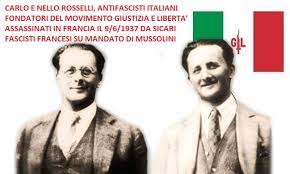
Inoltre, le condizioni in Italia cambiavano di periodo in periodo. Infatti, in un certo periodo i migranti lasciarono il Paese a causa della dittatura, e non solo politici di alto profilo come Carlo e Nello Rosselli, i leader del movimento di opposizione “Giustizia e Libertà”, che fuggirono in Francia e furono infine assassinati a Parigi per la loro opposizione al regime.
Quindi, se vogliamo davvero comprendere il nostro passato ed essere ancora più orgogliosi del nostro patrimonio storico e culturale, dobbiamo prestare attenzione alle nostre fonti quando parliamo della nostra Storia.
I lettori non dovrebbero accettare un post semplicemente perché sembra confermare le loro convinzioni, ma devono verificare le fonti delle informazioni e se un post non ha una fonte, tranne forse un link al post originale, di solito senza una propria fonte, allora quella dichiarazione deve essere considerata inaffidabile perché, nella maggior parte dei casi, la “Storia” condivisa sui social media è nella migliore delle ipotesi ingannevole e di solito una presentazione totalmente inaccurata del passato.
In conclusione, questi sono i motivi per cui l’Italia e le comunità italiane nel mondo dovrebbero unirsi per creare un progetto storico internazionale volto a raccogliere la Storia della nostra migrazione, perché sappiamo davvero troppo poco, non solo sul perché le persone siano emigrate, poiché le ragioni sono cambiate da un’ondata all’altra, ma anche e soprattutto su ciò che è accaduto a ciascuna comunità italiana nel mondo.
Finché non lo faremo, non capiremo mai le esperienze di queste comunità, e quindi perché sono tutte diverse l’una dall’altra, e senza conoscere questi dettagli non potremo mai comprendere e apprezzare veramente le gesta di questi protagonisti del nostro passato, tanto meno la vera identità italiana dei discendenti dei nostri migranti nel corso di tutti questi anni…
History is not found on the social media or in the movies/TV
If we want to be serious about our identity as Italians we must know and understand our past, but knowing what happened in the past is not always as clear as it may seem to even to the participants, let alone to those that followed.
In fact, there is a common saying that says that “History is written by the victors”. And even here the origin of this saying is unclear. Many sources attribute it to Winston Churchill, who was not only a major historical character but also a Nobel Prize winner in Literature for his history of the English language, but the truth is that nobody knows precisely who first made the comment.
While it may be true that the first books about major events are written by the victors, those books are often incomplete because the documentation that would prove anything stated in the books is rarely available immediately after any given event.
The truth is that real, serious, history is based on documentation that can be verified by other sources, and it must also be remembered that after a short time, in historical terms, the protagonists of any given event are no longer alive…
But even if the protagonists of an event are alive, they can only give an accurate account of what they saw and not what led to the incident/event.
This is precisely the reason that the Journalism is considered the “rough draft of history” because the reporters who write what we read in the newspapers and see on the TV news services can only attest to what they saw at the site of a disaster, the battle field, or on any event with a reasonable degree of accuracy.
If we consider only World War Two, there are still many events that are the cause of controversy today because the official documentation recording government deliberations and decisions are often still sealed as state secrets.
When I studied Modern History, my history teacher at school and then the lecturers and tutors at University all had one simple golden rule, everything I stated in my papers had to have credible and verifiable sources, with the sources precisely listed, for every claim made in every paper.
Although I went to university in the 1970s, and many protagonists of the events during the war were still alive, most of the questions we asked in the lectures and tutorials about that war were answered with “We still do not know”. But a small breech had just opened.
It was at that time that “The Ultra Secret” written by F.W. Winterbotham was released, and that book was the first public revelation that, relatively early in the war, the British has broken the German code machine, the famous “Enigma,”, a rudimentary computer, that allowed the British to anticipate the German strategies and tactics in battles. The breakthrough was so secret that for a time the British did not tell even their American Allies about it.
And with that book every previous book about the war in Europe, almost always written by the victors, became obsolete.
While we now know many details about the use of this discovery, there are undoubtedly still secrets about its use we do not know because they may still be delicate in terms of international relations between countries…
As for government decisions, Cabinet deliberations and discussions are almost always covered by secrecy, and are then kept secret for decades, often fifty or more years. So, until these details are made public, journalists, commentators and then the historians who write about these decisions can only speculate on the precise basis for many decisions that changed countries radically.
The only truth is that, as the saying in Italy goes, “Carta canta”, in other words, papers(documents) sing, so without verifiable sources, any statement about our past made without knowing the sources of the claims is worth nothing.
And it goes without saying that these inaccuracies are even more marked in movies and TV series…
Now we come to the core issue of this article. The social media pages of the Italians around the world are full of posts, often shared from similar pages from other countries, that make claims about the history of our Migration, but these posts are almost always full of stereotypes, and based on personal memories, usually passed on through the generations, which means that they are often at best inaccurate, and very often outright incorrect.
In fact, just because a post shows “statistics” and other information, this does not mean they are real. And now AI images and presentations make them even more attractive and so, worse still, deceptive.
Unfortunately, these misconceptions have the effect of “romanticizing” our image of the past in a way that does not really reflect what that forced over thirty million Italians to migrate to other countries for much more than 150 years.
For example, while it may be easy to say that people migrated to “look for work”, this is an oversimplification of Italy during the first decades after its Unification when in effect Italy still had a feudal society with a very rich aristocracy and a very large population of “vassals”. There was work, but it was effectively unpaid in terms of what we now consider employment.
Put simply, the migrants of those decades were looking for the dignity of paid employment with all the rights and benefits that were missing in Italy.
Furthermore, the conditions in Italy changed from period to period. In fact, for one period migrants left the country due to the dictatorship, and not just high-profile politicians such as Carlo and Nello Rosselli, the leaders of the opposition “Giustizia e Libertà” (Justice and Freedom) Movement who fled to France and were eventually assassinated in Paris for their opposition to the regime.
So, if we really want to understand our past and to be even prouder of our historical and cultural heritage, we must be careful about our sources when we talk about our history.
Readers should not accept a post simply because it seems to confirm their beliefs, but they must check the sources of the information and if a post does not have a source, except possibly a link to the original post, usually without its own source, then that statement must be considered unreliable because, in most cases, the “history” shared on the social media is at best deceptive, and usually a totally inaccurate presentation of the past.
In conclusion, these are the reasons why Italy and the Italian communities around the world should get together to create an international history project to collect the history of our Migration because we truly know too little, not just about why people migrated, because the reasons changed from wave to wave, but also and above all, what happened to each Italian community around the world.
Until we do this, we will never understand the experiences of these communities, and therefore why they are all different from each other, and without knowing these details we will never truly understand and appreciate the deeds of these protagonists of our past, much less the true Italian identity of the descendants of our migrants over those many years…


