
Italiani nel Mondo
Non esistono tradizioni italiane “nazionali” e non sono eterne-There are no “national” Italian traditions, and they are not eternal


Non esistono tradizioni italiane “nazionali” e non sono eterne
In un recente articolo in questa rubrica “Italiani nel mondo”, il sociologo Alessio Zedda ha iniziato con l’uso di stereotipi da parte degli italiani all’estero per definire l’essere “italiani”.
Ci congratuliamo con Amedeo Iasci per la sua iniziativa “The Jashi Project” descritta nell’articolo e gli auguriamo buona fortuna perché l’ultima ondata di migranti italiani oggetto di questo progetto è anche l’ultimo capitolo della storia della nostra migrazione nel mondo, e non vediamo l’ora di vedere i risultati.
Come ha scritto Zedda nell’introduzione, c’è la tendenza a pensare in termini di stereotipi dei “veri italiani” e delle tradizioni italiane, e questo punto di vista limita fortemente il concetto che molte persone hanno della complessa realtà dell’Italia moderna e di quanto essa cambi anche nello spazio di pochi chilometri, nella lingua/dialetto, nella campagna, nei prodotti e nell’influenza straniera che colpisce ogni regione italiana, senza eccezioni.
Ora stiamo arrivando al periodo dell’anno che più riflette le nostre tradizioni più care, il Natale, e le famiglie italiane in tutto il mondo stanno già pensando agli acquisti degli ingredienti per la cena della vigilia e il pranzo di Natale.
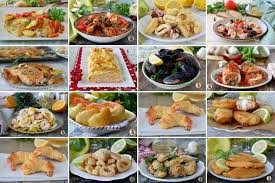
E c’è una tradizione natalizia italiana negli Stati Uniti che è l’esempio perfetto di come le tradizioni cambiano nel tempo e con il trasferimento dall’Italia ad altri continenti, e questo si può vedere in una domanda che viene posta regolarmente sulle pagine dei social media italo-americani: quali sono i pesci per la “Festa dei sette pesci”?
Immediatamente, italiani in Italia si collegano online per dire: “Non esiste una festa del genere in Italia”, quando in realtà si tratta di un meraviglioso omaggio alle origini dei discendenti dei nostri migranti in quel paese.
Indubbiamente, l’ispirazione per la “Festa dei sette pesci” è la tradizione diffusa in Italia, soprattutto nelle regioni meridionali, di mangiare pesce la vigilia di Natale, così come il Venerdì Santo e in altre occasioni, e quindi le famiglie negli Stati Uniti mantengono davvero fede alle loro origini dandole un nuovo nome per riflettere il modo in cui sono in grado di offrire ai loro familiari un pasto sicuramente molto più ricco di quello che potevano permettersi nelle loro città d’origine al momento dell’emigrazione.
La verità è che ogni occasione in Italia ha le sue tradizioni locali, solitamente legate a un evento particolare o a persone del passato che le hanno introdotte. La più famosa di queste è senza dubbio “Il Presepe”, che non apparve fino al 1223 a Greccio (RI) quando fu introdotto da San Francesco d’Assisi, e proprio per questo motivo è appropriato che egli sia il Santo Patrono d’Italia.
L’Italia ha davvero una vasta gamma di tradizioni, non solo religiose, ma anche legate a festività nazionali come il 2 giugno per l’istituzione della Repubblica nel 1946, le commemorazioni del 4 novembre che sono iniziate in onore dei caduti italiani nella Prima guerra mondiale e che ora sono diventate il giorno in cui si onorano gli uomini e le donne che prestano servizio nelle forze armate italiane, nell’esercito, nella marina, nell’aeronautica e nei carabinieri.
Ogni regione, provincia, città e paese in Italia ha le sue celebrazioni e tradizioni specifiche, ciascuna con le sue caratteristiche locali, e non solo gastronomiche, e tutte queste tradizioni cambiano nel tempo con l’evolversi della popolazione e dei territori.
Allora, perché molte persone all’estero pensano che esistano tradizioni che li identificano come italiani e che siano uguali per tutti gli italiani?
Il motivo è semplice, come abbiamo affermato in articoli pubblicati nel corso degli anni, i nostri emigranti in tutti i paesi hanno creato comunità composte da persone provenienti dalle stesse città, in modo da essere sempre circondati non solo da parenti ma anche da paesani, persone della stessa città con piccole variazioni di tradizioni da famiglia a famiglia.
Ed è interessante notare che questo fenomeno era così forte negli Stati Uniti che paesani è diventato sinonimo di tutti gli italiani e non solo delle persone provenienti dalle città di origine…
A rafforzare questo senso di paesani era il detto “Donne e buoi dei paesi tuoi”, che significava che ci si sposava solo con persone del proprio paese e dei paesi vicini, e questo sicuramente accadeva all’estero, almeno tra gli stessi emigranti e per buona parte della prima generazione nata all’estero.
A scuola incontravano bambini provenienti da altre regioni italiane e bambini del posto, molti dei quali erano anche figli/discendenti di altri migranti. E la rivalità tra le regioni italiane era tale che, non di rado, i nostri migranti preferivano che i loro figli frequentassero bambini non italiani piuttosto che italiani provenienti da altre regioni, soprattutto dal Nord al Sud…
Ma era inevitabile che questo cambiasse, anche in Italia.
Difatti, questi cambiamenti si sono verificati con le massicce ondate di migrazione interna dal Sud al Nord dopo la Seconda guerra mondiale.
Di conseguenza, le tradizioni familiari sono cambiate, in Italia e all’estero, anche grazie alla commercializzazione di alcuni prodotti italiani, a cominciare dal Panettone di Milano e dal Pandoro di Verona, che da tradizioni natalizie locali sono diventati tradizioni natalizie internazionali, non solo tra gli italiani, e non smetteranno mai di cambiare.
Quindi, smettiamo di pensare che un “vero italiano” sia identificato da un piccolo numero di qualità molto specifiche, a cominciare dalle ‘tradizioni’, e cominciamo invece a pensare che il concetto di “italiano” sia molto più complicato perché una grande Cultura, e la nostra è una delle più grandi, cambia costantemente nel tempo per riflettere i cambiamenti del Paese.
E a coloro che detestano il cambiamento, diciamo che c’è solo una parola per descrivere una Cultura che non cambia, e quella parola è morta…
There are no “national” Italian traditions, and they are not eternal
In a recent article in this “Italiani nel mondo” column, sociologist Alessio Zedda began with the use of stereotypes by Italians overseas to define being “Italian”.
We congratulate Amedeo Iasci for his initiative “The Jashi Project” described in the article and we wish him the best of luck because the latest wave of Italian migrants who are the subject of this project is also the latest chapter of the history of our Migration around the world, and we look forward to seeing the results.
As Zedda wrote in the introduction, there is a tendency to think in terms of stereotypes of “real Italians” and Italian traditions, and this point of view severely limits the concept many people have of the complex reality that is modern day Italy and how much it changes even within the space of a few kilometres, in language/dialect, countryside, the products produced and the foreign influence that affects every Italian region, without exception.
Now we are coming to the time of year that most reflects our dearest traditions, Christmas, and Italian families around the world are already thinking of the shopping for the ingredients for the Christmas Eve dinner and the Christmas lunch.
And there is an Italian Christmas tradition in the United States that is the perfect example of how traditions change over time and with the move from Italy to other continents and this can be seen in a question that is asked regularly on the Italian American social media pages: what are the fish for the “Feast of the seven fishes”?
Immediately, Italians in Italy come online to say, “There is no such feast in Italy” when it actually is a wonderful tribute to the origins of the descendants of our migrants in that country.
Undoubtedly, the inspiration for the “Feast of the seven traditions” is the widespread tradition in Italy, especially in the southern regions, to eat fish on Christmas Eve, as well as on Good Friday and other occasions, and so the families in the United States really do keep faith with their origins by giving it a new name to reflect how they are able to provide a meal to their families that was certainly much richer than in their towns of origin at the time of migration.
The truth is that every occasion in Italy has its own local traditions, usually connected to a particular occasion or people of the past who introduced them. The most famous of these is undoubtedly “Il Presepe”, the Christmas Crib, that did not appear until 1223 in Greccio (RI) when it was introduced by Saint Francis of Assisi, and even for this reason, it is appropriate that he is the Patron Saint of Italy.
Italy really has a huge range of traditions, and not just religious, and are also be linked to national celebrations such as the June 2nd for the establishment of the Republic in 1946, the November 4 commemorations that began in honour of the Italian fallen in World War 1 and has now become the day to honour the men and women serving in Italy’s for Armed forces, the Army, Navy, Air Force and Carabinieri.
Every region, province, city and town in Italy has its specific celebrations and traditions, each with its local features, and not just food, and these traditions all change over time as the population and the territories change.
So, why do many people overseas think that there are traditions that identify them as Italian and that they are the same for all Italians?
The reason is simple, as we have stated in articles over the years, our migrants in all countries created communities made up of people from the same towns, so that they were always surrounded not only by relatives but also by paesani, people from the same town with minor variations of traditions from family to family.
And it is interesting that this was so strong in the United States that paesani has come to mean all Italians and not only people from the towns of origin…
Reinforcing this sense of paesani was the saying “Donne e buoi dei paesani tuoi” (Women and cattle from your towns) which meant you only married people from your hometown and surrounding towns, and this certainly happened overseas, at least among the migrants themselves, and for a good part of the first generation born overseas.
At school, they met children from other Italian regions and local children, many of them also children/descendants of other migrants. And the rivalry between regions in Italy was such that in, not infrequently, our migrants preferred that their children frequented non-Italians than Italians from other regions, especially North to South…
But it was inevitable that this would change, even in Italy.
In fact, these changes also occurred in Italy with the massive waves of internal migration from the South to the North since the Second World War.
Consequently, family traditions changed, in Italy and overseas, also due to the marketing of certain Italian products, starting with the Panettone of Milan and the Pandoro of Verona which were transformed from local Christmas traditions to international Christmas traditions, not only among Italians, and they will never stop changing.
So, let us stop thinking that a “real Italian” is identified by a small number of very specific qualities, starting with “traditions”, and instead, let us start thinking that the concept of “Italian” is much more complicated because a great Culture, and ours is one of the greatest, constantly changes over time to reflect than changes in the country.
And for those who abhor change, we say that there is only one word to describe a Culture that does not change, and that word is dead…


