
Arte & Cultura
Giovanni Guareschi, l’uomo che per due decenni ci ha insegnato cosa era l’Italia- Giovanni Guareschi a man who taught us what Italy was for two decades

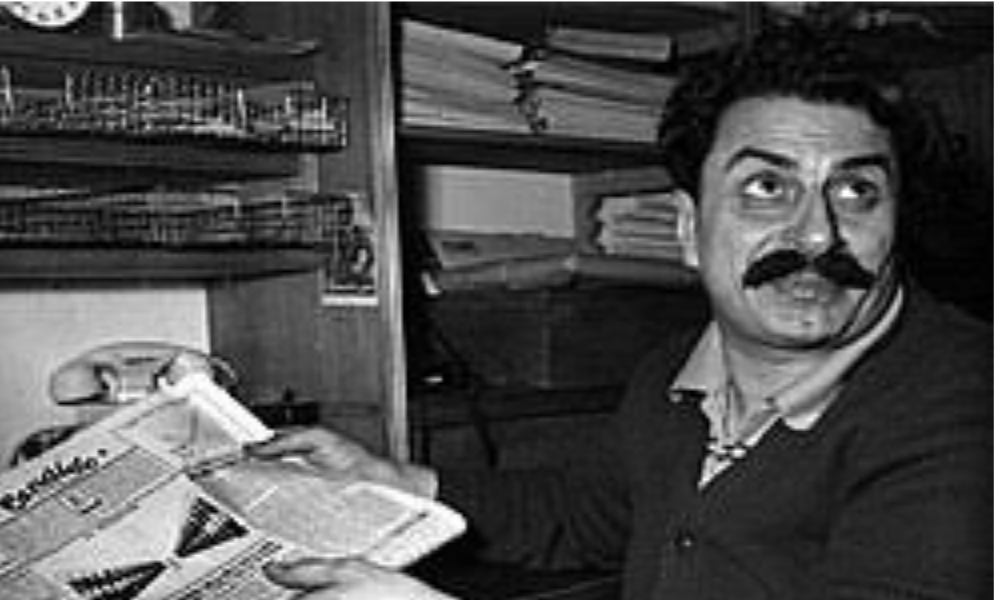


Giovanni Guareschi, l’uomo che per due decenni ci ha insegnato cosa era l’Italia
Spesso, quando parliamo di film di successo, i personaggi che vediamo sullo schermo sono così ben realizzati e stimolanti che ci dimentichiamo che qualcuno li ha creati. E questo vale in particolare per uno scrittore italiano che, purtroppo, non ha ottenuto il riconoscimento internazionale che la sua vita e la sua opera meritavano senza dubbio.
Giovanni Guareschi non solo fu un grande giornalista, scrittore e autore satirico, ma disegnò anche gli schizzi contenuti in molti dei suoi libri, molti dei quali sono poi diventati film di grande successo. Purtroppo, la sua eredità è stata macchiata anche da un episodio che lo ha visto diventare l’unico direttore di un quotidiano italiano del dopoguerra ad essere incarcerato per diffamazione nei confronti del Primo Ministro italiano.
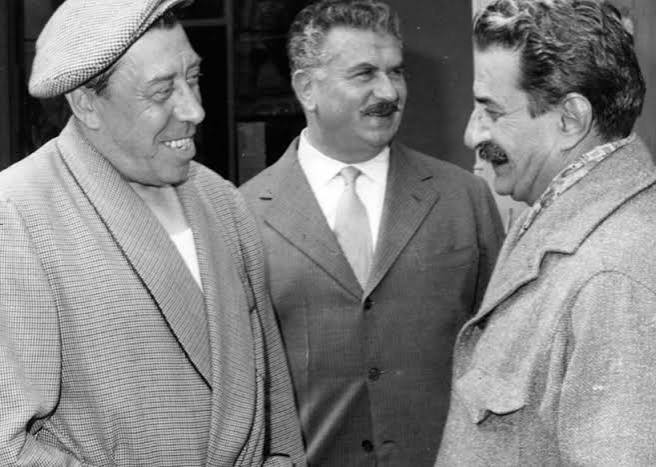
Per chi di noi è cresciuto in Australia negli anni ’60 e nei primi anni ’70, le vacanze scolastiche erano piene di film, sia al cinema che, soprattutto, trasmessi dai canali televisivi, che diventavano il nostro modo di conoscere il mondo.
Naturalmente, trattandosi di un paese di lingua inglese, la maggior parte di questi film erano produzioni britanniche e hollywoodiane, ma una serie di film molto popolare era di origine italiana, con un regista francese e, soprattutto, un grande attore francese, Fernandel, che interpretava il personaggio principale, diventato molto popolare non solo tra noi studenti di origine italiana, ma anche tra molti dei nostri compagni di classe australiani.
Conoscevamo questi film come i film di “Don Camillo”, per via del protagonista, il parroco di un piccolo paese dell’Emilia-Romagna, ma molti di noi apprezzavano anche il personaggio di Peppone, l’ex sindaco comunista dello stesso paese, rivale del parroco e soprattutto suo amico, anche se questo aspetto era nascosto dalla loro rivalità. E devo anche ammettere che il nome di Peppone divenne motivo di continua discussione tra noi studenti italiani e i nostri coetanei australiani, perché questi ultimi si rifiutavano di pronunciare la “e” finale.
Ma mentre noi giovani studenti guardavamo i film, non notavamo davvero il nome dell’autore tra i titoli di coda; quindi, pochi di noi conoscevano il nome di Giovanni Guareschi, ad eccezione di quelli di noi che erano felicissimi di trovare le versioni inglesi dei libri nelle biblioteche delle nostre scuole, e io ero uno di loro.
I film erano tutti piacevoli, ma, a quell’età, sapevamo poco o nulla dell’Italia, e quindi non capivamo che Guareschi ci stava offrendo anche uno sguardo affascinante su una situazione politica italiana che aveva un impatto importante anche sulla politica internazionale, poiché l’Italia dei decenni successivi alla Seconda Guerra Mondiale, pur essendo diventata un membro a pieno titolo della NATO, l’Organizzazione del Trattato del Nord Atlantico, ospitava anche il più grande partito comunista dell’Europa occidentale, il che spesso creava non poche tensioni all’interno dell’alleanza.
E alcuni di noi scoprirono solo quando iniziammo a studiare l’italiano in modo sistematico che alcuni degli aspetti principali dei libri erano stati “distorti” dalla traduzione in inglese, e non ho dubbi che ciò sia accaduto anche in altre lingue.
Infatti, Giovanni Guareschi fu uno dei principali giornalisti italiani che persero fiducia in Mussolini e nel suo regime perché capirono che le versioni ufficiali delle notizie non corrispondevano alla realtà che vedevano ogni giorno. Altri tre giornalisti di questo tipo sono poi diventati figure di spicco del giornalismo e della letteratura italiani, e quindi della cultura italiana. Gli altri tre erano Indro Montanelli, Curzio Malaparte (al secolo Curzio Suckert) e un altro importante autore satirico, Leo Longanesi.
Tutti e quattro furono puniti per il loro “tradimento” nei confronti della causa di Mussolini e tutti divennero importanti testimoni di quei decenni.
Durante la sua prigionia per mano del regime, Giovanni Guareschi dimostrò il suo spirito indomito quando scrisse nel diario della sua detenzione: «Non muoio neanche se mi ammazzano» …
Eppure, per quanto i film fossero divertenti, fu solo quando alcuni di noi iniziarono a leggere i libri nelle versioni originali italiane che cominciammo a capire che «Il piccolo mondo di Don Camillo» (titolo del primo libro e del primo film della serie) rappresentasse un microcosmo dell’Italia nel suo insieme e che Guareschi volesse mettere in luce alcuni aspetti della storia italiana durante la dittatura, la caduta del regime e la rivalità politica tra la Democrazia Cristiana al potere e il Partito Comunista Italiano di quel periodo, aspetti che spesso non apparivano né sui giornali né tantomeno nei libri di storia.
Il piccolo mondo di Camillo trailer
Ad esempio, sebbene ancora oggi molti risponderebbero che i partigiani che contribuirono alla liberazione dell’Italia fossero comunisti, ciò non era vero, poiché vi erano molti partigiani non comunisti, a cominciare da Alcide De Gasperi, il primo ministro italiano che rimase in carica più a lungo nel dopoguerra, il quale per anni fu protetto dal Vaticano dalla persecuzione fascista.
In effetti, ciò che i libri di Guareschi ci mostrano più dei film è che SIA il parroco SIA il sindaco erano antifascisti e avevano combattuto fianco a fianco durante quel periodo che oggi viene riconosciuto come una guerra civile in Italia dopo la caduta della dittatura fascista.
Ciò che li separava nei film e nei libri non era solo il modo in cui vedevano il passato dell’Italia, compresi gli anni della resistenza, ma il fatto che entrambi nutrivano dei dubbi sulla direzione che il futuro avrebbe preso per il loro Paese, come sosteneva Guareschi.
Nel caso specifico di Peppone, non va dimenticato che l’allora leader del Partito Comunista Italiano era Palmiro Togliatti, soprannominato «Il Migliore», che non era solo un comunista, ma anche uno stretto collaboratore di Stalin durante il suo esilio dall’Italia, con una posizione di altissimo livello all’interno dell’Internazionale Comunista che è ancora avvolta nel mistero, e questo legame ha infangato l’immagine del partito per molti anni.
Pertanto, esortiamo le persone a leggere i libri di Guareschi su questa rivalità perché aiuteranno davvero i lettori di tutto il mondo a comprendere che la storia dell’Italia in quei decenni non era così netta come molti cercano ancora oggi di presentarla.
E, purtroppo, Guareschi non aiutò la propria causa con l’incidente che macchiò la sua reputazione di giornalista.
Guareschi, all’epoca caporedattore della rivista «Candido», entrò in possesso di due lettere che sarebbero state scritte dal primo ministro De Gasperi durante la guerra, nelle quali egli avrebbe chiesto agli Alleati di bombardare Roma per cercare di abbreviare il periodo di occupazione nazifascista. Le lettere circolavano già da tempo, ma erano considerate false da quasi tutti.
Molti altri giornalisti, tra cui il grande Indro Montanelli, lo esortarono a non pubblicarle, ma, nonostante queste esortazioni, decise comunque di farlo perché le riteneva autentiche. Il processo per diffamazione a carico del primo ministro De Gasperi, svoltosi nel 1954, portò a una condanna a 12 mesi di reclusione, che affrontò con la sua consueta testardaggine, entrando nel carcere di Parma con lo stesso zaino che aveva portato con sé quando era stato imprigionato dai fascisti.
Un breve articolo non può spiegare la complessità non solo di questo episodio, ma anche della storia complessiva che i libri e i film di Don Camillo rivelano; tuttavia, offre un assaggio di un uomo che ha lasciato un segno indelebile nella cultura e nella storia italiana. E per questo non deve essere ricordato solo attraverso i personaggi che ha creato, ma, soprattutto, con il proprio nome.
E tutto ciò mette in luce qualcosa che in Italia non tutti comprendono appieno: non possiamo dare per scontato che i potenziali lettori, spettatori, ecc. all’estero conoscano «tutto del nostro Paese, della nostra storia e della nostra cultura»; e che, se vogliamo davvero garantire che i nostri autori, poeti, registi, ecc. siano apprezzati al meglio in tutto il mondo, essi debbano essere presentati con le informazioni adeguate per spiegare dettagli importanti delle opere che spesso sfuggono al pubblico straniero…
Giovanni Guareschi a man who taught us what Italy was for two decades
Often, when we talk about popular films, the characters we see on the screen are so good and thought-provoking that we forget that somebody created them. And this is particularly the case for an Italian writer who sadly did not achieve the level of international recognition his life and work undoubtedly deserved.
Giovanni Guareschi who was not only a great journalist, writer, satirist, he also drew the sketches contained in many of his books, many of which went became highly successful films. Sadly, his heritage was also stained by an incident that saw him become the only post WW2 Editor of an Italian newspaper jailed for defamation of Italy’s Prime Minister.
For those of us who grew up in Australia in the ‘60s and early ‘70s, the school holidays were filled with films, in the cinemas, and above all broadcast by TV channels, that became our means of learning about the world.
Naturally, being an English language country, the majority of these films were British and Hollywood productions, yet one very popular series of films was of Italian origin, with a French director and, above all a great French actor, Fernandel, who played the lead character who became very popular, not just for us students of Italian origin, but also amongst many of our Australian classmates.
We knew these films as the “Don Camillo” films, because of the lead character, the parish priest of a small town in the Emilia-Romagna region, but we many of us also enjoyed the character of Peppone, the erstwhile communist mayor of the same town, and the priest’s rival and above all friend, even when this was hidden by their rivalry. And I must also admit that Peppone’s name became a running argument between we Italian students and our Australian counterparts because they refused to pronounce the final “e”.
But as we young student watched the films, we did not really notice the creator’s name among the credits, so few of us knew the name Giovanni Guareschi, with the exception of those of us who were overjoyed to find the English versions of the books in our school libraries, and I was one of them.
The films were all enjoyable but, at that young age, we knew little or nothing about Italy, and so we did not understand that Guareschi was giving also giving us a fascinating insight into an Italian political situation that also had an important impact on international politics because Italy of the decades after the Second World War, and eventually a firm member of NATO, the North Atlantic Treaty Organization, also had western Europe’s biggest communist party which often created not a few tensions within the alliance.
And some of us only discovered that some of the major aspects of the books were “distorted” by the translation into English when we started to study Italian formally, and I have no doubt this also happened in other languages.
In fact, Giovanni Guareschi was one of the major Italian journalists who lost faith in Mussolini and his regime because they understood that the official versions of the news did not correspond with the reality they saw every day. Three other such journalists also went on to become important players in Italian journalism and literature, and therefore Italian Culture. Three others were Indro Montanelli, Curzio Malaparte (born Curzio Suckert) and another important satirist Leo Longanesi.
All four were punished for their “betrayal” to Mussolini’s cause and they all went on to become important witnesses to those decades.
During his own imprisonment by the regime, Giovanni Guareschi demonstrated his indomitable spirit when he wrote in the diary of his imprisonment, “Non muoio neanche se mi ammazzano” (I won’t die even if they kill me) …
Yet, as much as the films were entertaining, it was only when some of us starting reading the books the original Italian versions that we started to understand that “The little world of Don Camillo” (the title of the first book, and film of the series) that the small town was a microcosm of Italy as a whole and that Guareschi wanted to point out some aspects of Italy’s history during the dictatorship, the fall and the regime, and the political rivalry between the ruling Christian Democrats and Italian Communist Party of that period that often did not appear in the newspapers or even history books.
The Little World of Don Camillo trailer
For example, while even now many people would answer that the Partisans who helped liberate Italy were communists, this was not true, because there were many non-communist partisans, starting with Italy’s longest serving postwar Prime Minister Alcide De Gasperi who for years was protected from fascist persecution by the Vatican.
Indeed, what Guareschi’s books shows us more than the films is that the parish priest and the mayor were BOTH antifascists and had fought side by side during the period that is now recognized as a civil war in Italy after the fall of the fascist dictatorship.
What separated them in the films and books was not just how they saw Italy’s past, including the partisan years, but that they both had their doubts about where the future was taking their country, as Guareschi believed.
In the specific case of Peppone, it must not be forgotten that the then leader of the Italian Communist was Palmiro Togliatti, nicknamed “Il Migliore” (the Best), was not just a communist, but also a close collaborator with Stalin during his exile from Italy, with a very high position within the Communist International which is still clouded in mystery, and this association tainted the image of the party for many years.
So, we urge people to read Guareschi’s books about this rivalry because they will really help readers around the world to understand that Italy’s history during those decades was not as black and white as many people still try to present even now.
And sadly, Guareschi did not help his cause with the incident that tainted his reputation as a journalist.
Guareschi, the then Editor in chief of the magazine “Candido”, came into possession of two letters that had purportedly been written by Prime Minister De Gasperi during the war, in which he purportedly asked the Allies to bomb Rome to try and shorten the period under nazi/fascist occupation. The letters had been circulating for some time but were considered fake by almost everybody.
Many other journalists, including the great Indro Montanelli, appealed to him to not publish the letters but, despite these exhortations, he decided to publish them anyway because he considered them real. The resulting trial for defamation of Prime Minister De Gasperi in 1954 led to a jail sentence of 12 months, which he faced with his usual hardheadedness, entering the jail in Parma with the same knapsack he had taken when he was imprisoned by the fascists.
A short article cannot explain the complexity not only of this incident, but also of the overall history that the Don Camillo books and films reveal, but it gives a taste of a man who left an indelible mark on Italian Culture and history. And for this he must not be remembered only by the characters he created but, above all, by his own name.
And this all shows something that not enough people in Italy truly understand, that we cannot presume that potential readers, viewers, etc., overseas know “all about our country, history and Culture”, and that, if we really want to ensure that our authors, poets, movie directors, etc., are appreciated in the best way possible around the world, that they must be presented with the appropriate information to explain important details in the works that people overseas often miss…


