
Italiani nel Mondo
Australia. Messa di Mezzanotte a Natale sotto le stelle ad Adelaide – Australia. Christmas Midnight Mass under the stars in Adelaide

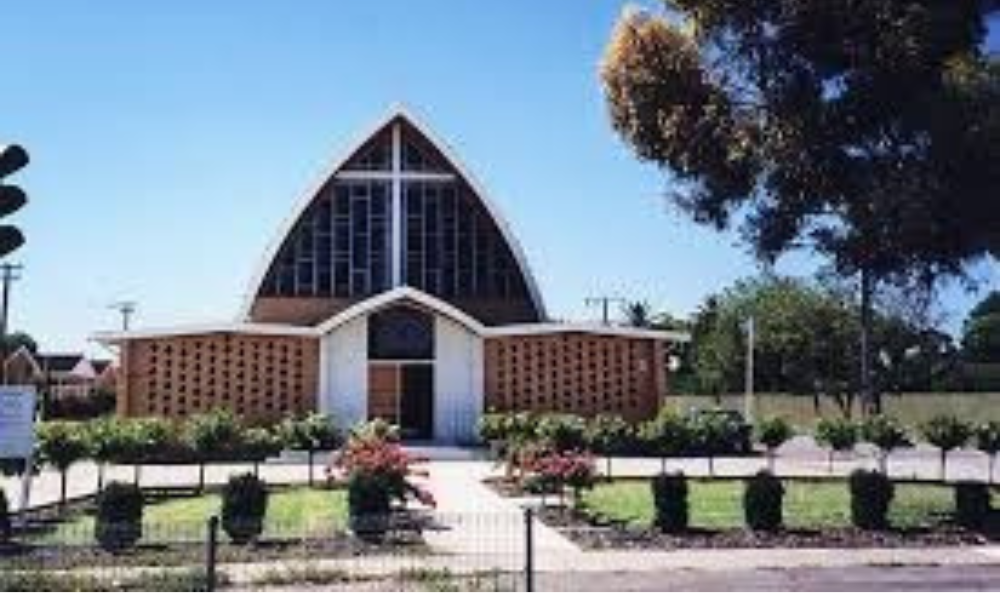


Australia. Messa di Mezzanotte a Natale sotto le stelle ad Adelaide.
Il Natale è il periodo in cui gli immigrati sentono maggiormente la lontananza dai propri parenti e amici rimasti nei paesi d’origine e quindi, per molti di loro, questa stagione è diventata il momento in cui esprimono al massimo l’orgoglio per le proprie origini.
Infatti, ogni anno in questo periodo, le pagine dei social media degli italiani di tutto il mondo sono piene di post su piatti e dolci tradizionali, e molti membri delle generazioni più giovani chiedono anche le ricette delle nonne/madri che non ci sono più, in modo da poter provare a riprodurre i profumi e i sapori dei loro ricordi d’infanzia più felici.
E sulle pagine italo-americane gli utenti chiedono ora ricette di pesce da utilizzare per la loro “Festa dei Sette Pesci”, che riflette la nostra tradizione di non mangiare carne la Vigilia di Natale, come si vede anche nella scena finale del film vincitore dell’Oscar 2018 “Green Book”, che inizia e finisce nella casa di una famiglia italo-americana.
Ma per gli italiani e gli altri migranti nei paesi dell’emisfero sud, il Natale significa anche un cambio di stagione, l’estate invece dell’inverno dell’emisfero nord, il che comporta la necessità di modificare molti aspetti delle celebrazioni e dei rituali religiosi.
Ad esempio, molte famiglie in Australia festeggiano il giorno di Natale al mare/spiaggia, cosa impensabile in Europa.
Inoltre, dobbiamo anche ricordare che il Natale non è solo una festa italiana, ma è una festa religiosa di grande importanza per tutti i cristiani, e questa importanza si riflette nei rituali legati al lato spirituale della nostra vita.
E c’era una parrocchia ad Adelaide, in Australia, che per decenni ha avuto un contributo particolare da parte dei fedeli immigrati provenienti da due paesi.
La parrocchia di Cristo Re, nel sobborgo di Lockleys di quella città, non solo ha una consistente popolazione italiana, per la quale la chiesa celebrava la messa domenicale delle 11 in italiano, ma era anche la chiesa della comunità maltese della città. Per questo motivo, nel corso degli anni, la maggior parte dei parroci era trilingue e parlava maltese, inglese e italiano.
Poiché in Australia il Natale cade in estate, la Messa di Mezzanotte della parrocchia si celebra all’aperto perché, accanto alla chiesa, c’è il grande giardino di quella che era prima la residenza dei parroci e poi il convento di un ordine di suore maltesi, dove è possibile per una grande congregazione partecipare alla Messa.
E per decenni queste due comunità di immigrati hanno contribuito in modo speciale alla Messa di Mezzanotte della parrocchia.
I fedeli italiani allestivano il grande presepe che rifletteva gli aspetti migliori della tradizione iniziata da San Francesco d’Assisi quasi otto secoli fa, e il coro italiano che cantava alla messa italiana della domenica eseguiva anche canti italiani per l’occasione. E posso dire con orgoglio che una delle cantanti era mia madre.
La musica per le processioni di apertura e di chiusura e per la Messa era invece eseguita dalla banda della comunità maltese della città.
Inoltre, mentre la Messa era principalmente in inglese, molte delle preghiere e delle risposte più importanti venivano ripetute sia in italiano che in maltese.
Questa parrocchia occupava anche un posto speciale nei servizi forniti agli anziani dalle comunità italiana e maltese della città, che sono senza dubbio la più grande espressione di carità compiuta dai fedeli.
Non lontano dalla chiesa si trovava la prima casa di cura gestita dalla Società di Sant’Ilarione, oggetto di un recente articolo e a pochi passi c’è la casa di riposo per anziani maltesi, assistiti dalle suore che risiedono nel convento dove si celebra la Messa di Mezzanotte.
Tutti i membri di quella parrocchia hanno ricordi felici di quelle messe e, nei quarant’anni in cui ho vissuto in quella parrocchia, ricordo solo un anno in cui il tempo ci ha costretti a rifugiarci in chiesa quella notte.
Ma il tempo e la demografia sono inesorabili e crudeli. Anche se quella Messa si celebra ancora, con l’invecchiamento degli immigrati italiani e maltesi della grande ondata migratoria dopo la Seconda guerra mondiale, la Messa domenicale in italiano non si celebra più in quella chiesa, anche se non ho dubbi che si celebrino ancora in italiano le Messe funebri per i defunti di quella generazione.
Di conseguenza, la Messa di Mezzanotte non ha più il contributo degli italiani e dei maltesi che rendevano quelle Messe così speciali.
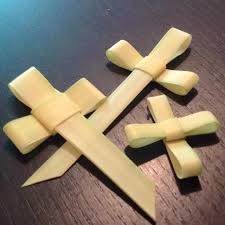
E devo menzionare un altro importante contributo alla chiesa da parte di alcuni italiani della parrocchia per molti anni. La Domenica delle Palme e il Venerdì Santo, le famiglie della Puglia mantenevano la loro tradizione di realizzare croci con foglie di palma, come si può vedere sopra, che venivano poi donate alla Chiesa per essere vendute durante la Settimana Santa come contributo alle finanze della parrocchia.
Purtroppo, è fin troppo facile e banale guardare alle nostre comunità sparse nel mondo in termini di stereotipi alimentari, ecc., e questo fa sì che troppe persone dimentichino che il nostro passato, il nostro patrimonio storico e culturale, è molto più vasto e variegato di quanto molti pensino, a partire dal ruolo fondamentale che la Chiesa ha svolto nella vita dei nostri parenti e amici all’estero che hanno deciso di cercare una nuova vita in altri paesi e continenti.
E così, quando noi, come comunità italiana mondiale, avremo deciso di finalmente di avviare un progetto internazionale per raccogliere la VERA storia delle nostre comunità all’estero, dobbiamo includere aspetti come questi perché erano le espressioni più autentiche dell’orgoglio che i nostri migranti nutrivano per le loro città natali e le loro origini.
E in questo modo, renderemo finalmente omaggio alla loro memoria nel modo più sincero, mantenendo vivo il loro ricordo.
Australia. Christmas Midnight Mass under the stars in Adelaide.
Christmas is the period in which migrants feel the separation from their relatives and friends who stayed behind in their hometowns the most and so, for many of them, this season became the time in which they express their pride in their origins to the utmost.
In fact, every year during this season, the social media pages of the Italians around the world have countless posts of traditional dishes and sweets, and many members of the later generations also ask for recipes of the grandmothers/mothers who are no longer with us, so that they can they try and reproduce the aromas and the tastes of their happiest childhood memories.
And on the Italian American pages users are now asking for fish recipes to be used for their “Feast of the Seven Fishes” which reflects our tradition of not eating meat on Christmas Eve which is even shown in the final scene of the 2018 Oscar winning film “Green Book” which starts and ends within the home of an Italian American family.
But for Italians and other migrants in countries in the southern hemisphere Christmas also means a change of season, summer instead of winter in the northern hemisphere, which means having to change many aspects of the celebrations and religious rituals.
For example, many families in Australia have their celebrations on Christmas Day at the seaside/beach which would be unthinkable in Europe.
Furthermore, we must also remember that Christmas is not just an Italian celebration, it is a religious celebration of great importance for all Christians, and this importance is reflected in the rituals connected to the spiritual side of our lives.
And there was one parish in Adelaide, Australia that for decades had a particular contribution by faithful immigrants from two countries.
The Christ the King Parish in the suburb of Lockleys in that city not only has a sizeable Italian population, for which the church used to have the 11am Sunday Mass in Italian, but it was also church of the city’s Maltese community. For this reason, over the years, most of the parish priests were trilingual speakers of Maltese, English and Italian.
Since Christmas in Australia is in summer, the parish’s Midnight Mass is held in the open air because, alongside the church, there is the large garden of what was, first the residence of the parish priests, and then the convent of an Order of Maltese nuns, where it is possible for a large congregation to attend Mass.
And for decades, these two communities of immigrants contributed to the parish’s Midnight Mass in a special way.
The Italian faithful set up the large Presepe/crib that reflected the best aspects of the tradition started by Saint Francis of Assisi nearly eight centuries ago, and the Italian Choir that sang at the Italian Mass on Sundays also performed Italian songs on the occasion. And I can proudly say that one of the singers was my mother.
While the music for the opening and closing processions and for the Mass was performed by the band of the city’s Maltese Community.
Furthermore, while the Mass was mainly in English, many of the most important prayers/responses were repeated in both Italian and Maltese.
This parish also held a special place within the services provided to the elderly by the city’s Italian and Maltese communities which is undoubtedly the greatest expression of charity performed by the faithful.
A short distance from the Church, there was the first Nursing Home run by the Society of Saint Hilarion that was the subject of a recent article and a short walk away there is the Nursing Home for the elderly Maltese, assisted by the nuns residing in the convent where the Midnight Mass is held.
All the members of that parish have happy memories of those Masses, and in the forty years I lived in that parish, I can only remember one year where the weather forced us into the Church on the night.
But time and demographics are inexorable and cruel. While that Mass is still held, with the ageing of the Italian and Maltese migrants of the great wave of Migration after World War Two, the Sunday Italian Mass is no longer held in that Church, although I have no doubt funeral Masses are still held in Italian for the deceased of that generation.
As a result, Midnight Mass no longer has the contributions from the Italians and the Maltese that made those Masses so special.
And I must mention another important contribution to the church by specific Italians in the parish for many years. On Palm Sunday and Good Friday, the families from the Puglia region kept their tradition of making crosses from palm leaves, as can be seen above, which were then donated the Church to sell during Holy Week as their contribution to the finances of the parish.
Sadly, it is all too easy, and trivial, to look at our communities around the world in terms of stereotypes of food, etc, and this means that too many people forget that our past, our historical and cultural heritage, is much larger and varied than many people think, starting from the fundamental role the Church played in the lives of our relatives and friends overseas who decided to look for a new life in other countries and continents.
And so, when we, as worldwide Italian Community, finally decide to set up an international project to collect the REAL history of our communities overseas, we must include aspects such as these because they were the truest expressions of the pride our migrants had for their hometowns and their origins.
And in this way, we will pay finally pay fitting homage to their memories in the sincerest way possible, by keeping their memories alive.


