
Attualità
Alain Delon, mito immortale del grande cinema e protagonista dei capolavori di Luchino Visconti – Alain Delon, immortal myth of great cinema and protagonist of Luchino Visconti’s masterpieces


Alain Delon, mito immortale del grande cinema e protagonista dei capolavori di Luchino Visconti
di Antonio Fugazzotto
La scomparsa di un grande protagonista del cinema o dello spettacolo è una perdita, un vulnus; ci colpisce. Ci colpisce qualcosa che spesso non sappiamo definire. Non è dolore, non è semplice dispiacere e tantomeno cordoglio. E’ profonda tristezza. E’ sentirsi più soli. Con lui, sentiamo se ne va, una stagione della nostra vita. Una parte del palcoscenico, direbbe Chaplin, si ritira dietro una quinta. Alain Delon, il grande e vero divo, in realtà non è scomparso, forse perché è e sarà se non immortale, almeno eternamente a tutti noi contemporaneo. E’ stato certamente considerato il divo del cinema più bello e osannato del mondo da parte della sua lunga generazione e non solo. Un uomo dalla bellezza raggelante nella sua perfezione che rasenta il sovrumano. Una bellezza e un fascino propri più del semi-dio che del divo del cinema. Qualcuno dirà che la leggenda è scomparsa, Delon ci lascia orfani dell’epoca d’oro del cinema francese, italiano e mondiale.
Possiamo davvero dire che Alain Delon più che una star, è stato una leggenda del grande schermo che ha varcato tutti i confini internazionali. Una maschera dal volto luminoso e scintillante di eterna giovinezza che rimane scolpito tra molti dei nostri più grandi classici della cosiddetta settima arte. Con lui se ne va senza alcun dubbio una delle icone universali.
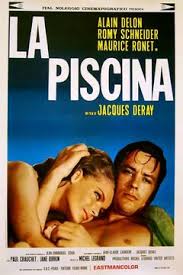
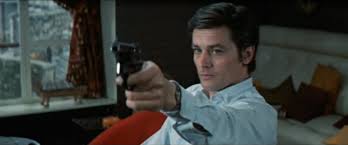
Nel corso della sua carriera, ha interpretato ruoli di personaggi inquieti, travagliati e tormentati dalla ribellione o consumati dai loro affanni; talvolta ruoli e personaggi che hanno assomigliato al suo destino.
Spesso ha saputo rivelarsi geniale interprete, animato da una notevole spinta interiore di affidare il suo naturale talento a schemi e modelli innovativi pur radicati in generi ben collaudati quali il gangsterismo o imperniati sui moti dell’anima alle prese con influssi esistenzialisti e drammatici. Di qui “Il clan dei siciliani”, “La piscina” o “La prima notte di quiete”.
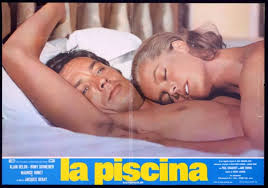
Si diceva del suo genio e della sua forte smania innovativa. Va infatti fortemente sottolineato che fu lui a dar forza, vigore e a conferire dignità a quel genere tipicamente francese troppo spesso ignorato dai raffinati cinefili forse un po’ distratti da altre doti e virtù di Delon, il Polar.
Questa fisionomia cinematografica si impone come un ibrido, come una singolare commistione tra il poliziesco all’americana e il tipico noir. Un genere squisitamente francese, forte e ammaliante che, come sappiamo, definisce l’ambiente e il contorno malavitoso, e non i personaggi, come i veri protagonisti della pellicola.
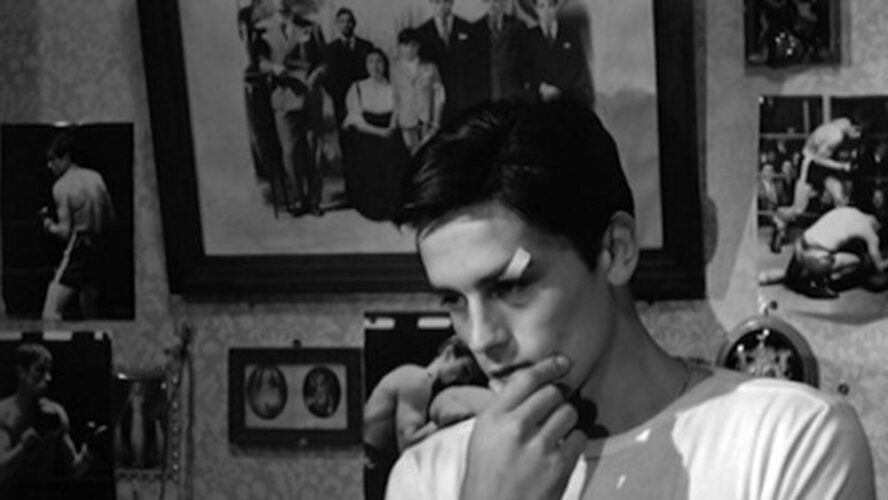
Intorno ai primi anni sessanta l’indiscusso e straordinario talento di Delon non passa inosservato agli occhi del più grande degli esteti del cinema per ruoli drammatici e sofisticatissimi: Luchino Visconti, che lo vorrà in “Rocco e i suoi fratelli” prima e nel “Gattopardo” poi.
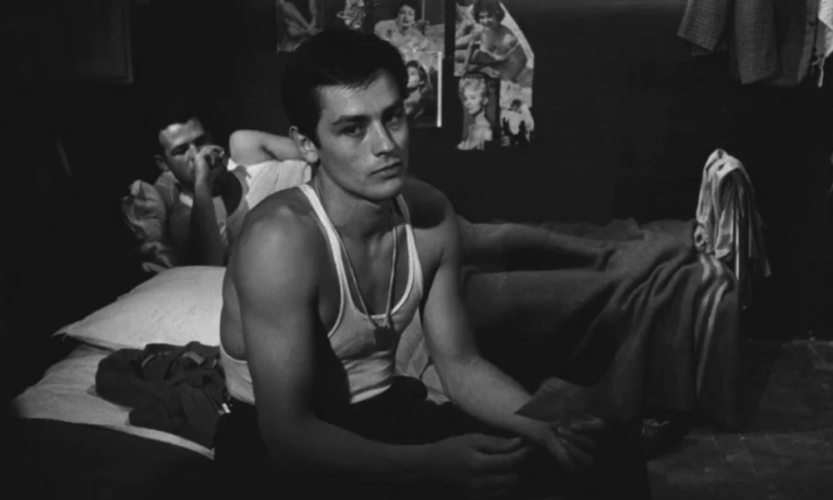
Nel Gattopardo, accanto ad uno straordinario Burt Lancaster nel ruolo di Don Fabrizio Principe di Salina e ad una Angelica, figlia dell’arricchito Don Calogero Sedara, perfettamente interpretata da Claudia Cardinale, Delon veste magistralmente i panni di Tancredi Falconeri, figlio ventenne della sorella del Principe e innamorato della bella Angelica.
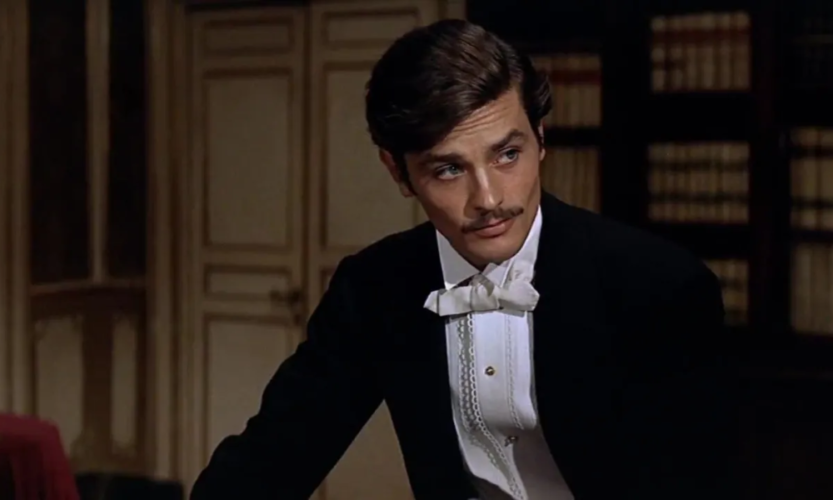
Ma dal mito di Delon permettetemi di entrare nella saga dell’alta e un po’ stantia nobiltà siciliana dei principi di Salina protagonisti del film di Luchino Visconti e prima ancora del grande romanzo storico “Il Gattopardo” di Giuseppe Tomasi di Lampedusa.
Il romanzo “Il Gattopardo” di Giuseppe Tomasi di Lampedusa.
Il Gattopardo è un’opera che è considerata uno tra i più grandi e apprezzati romanzi di tutta la letteratura italiana e mondiale. Concordo pienamente con chi considera un vero grande scrittore colui che sa cogliere prematuramente i tratti e gli eclatanti indizi di un mondo che sta subendo un cambiamento storico ed epocale che investe la società in tutte le sue precipue forme. Giuseppe Tomasi di Lampedusa è senz’altro uno di questi.
Il romanzo narra le trasformazioni economiche, sociali e politiche che avvengono in Sicilia nella fase di passaggio dal regime borbonico all’Unità d’Italia. La prospettiva è quella di Don Fabrizio, principe di Salina, rappresentante di un’antica famiglia feudale siciliana che vede il mondo cambiare e rinnovarsi davanti ai propri occhi.
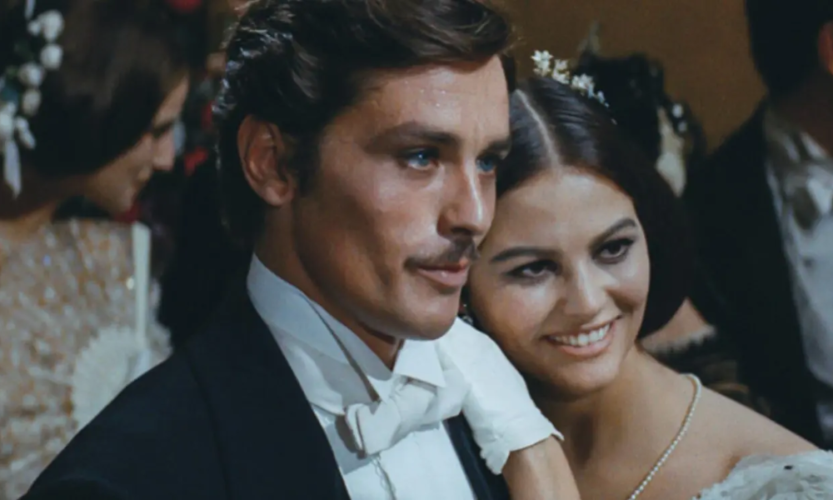
Simbolicamente, l’unione di Tancredi e di Angelica, figlia di un mezzadro arricchito, segna il tramonto dei Salina: in effetti, i due si assomigliano molto: sono giovani, belli e aitanti, esponenti rampanti di una nuova società in cui passione e calcolo si incontrano perfettamente. Sono affascinanti simboli letterari ben descritti e raccontati alla maniera della novella siciliana che rasenta lo stile verista di Giovanni Verga ma che per altri versi ne prende le distanze per apparire più vicino a quello di Pirandello nei suoi dettagli narrativi. Sono due pupi poco siciliani e molto più machiavellici nel loro carattere determinato e ben individuabile e classificabile, quanto a ceto, a due nuovi borghesi con una visione della storia a carattere evolutivo. Per loro il Principe Fabrizio è il passato che cerca di continuare ad esistere per il quale però esprimono devozione e ammirazione. Ma i loro calcoli si proiettano verso disegni che la storia pone davanti ai loro occhi ed alle loro speranzose attese impersonate da un Garibaldi che con l’apporto significativo sabaudo riempie i loro cuori di entusiasmo verso un futuro che ai loro occhi è già cominciato.
Il Film “Il Gattopardo” capolavoro di Luchino Visconti
E veniamo al film “Il Gattopardo” di Luchino Visconti. Sappiamo delle vicende legate alla produzione che vedono alternarsi grossi nomi dietro alla preparazione del film Ma finalmente, arriva il primo ciack, dopo che il produttore Goffredo Lombardo assegna tra gli altri a Suso Cecchi D’Amico il compito di scrivere la sceneggiatura. Una sceneggiatura che si mantiene piuttosto fedele all’opera letteraria ma che però assume profili cinematograficamente altamente espressivi del rapporto tra i personaggi, la magnificenza degli ambienti e il contesto storico nel quale essi agiscono. Il Gattopardo rappresenta nel percorso artistico cinematografico di Luchino Visconti un importante momento in cui si dedica alla profonda ricerca degli elementi salienti del passato caratterizzanti i successivi film di squisita ambientazione storica come “La caduta degli dei”, “Ludwig” ecc..
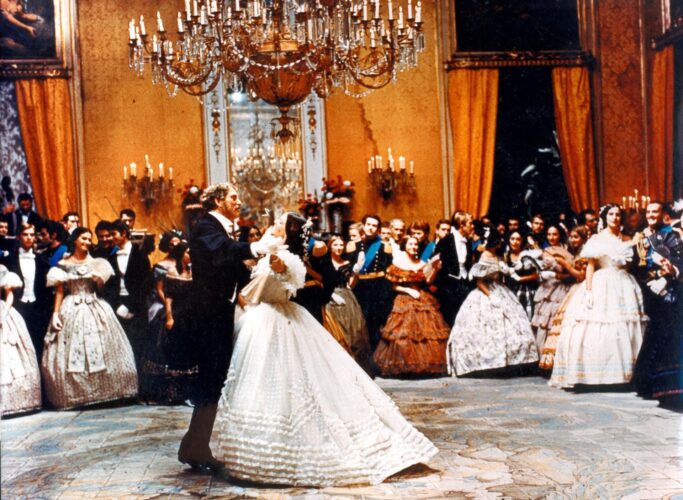
Va notato che Visconti riesce a raccontare, descrivere e delineare un mondo che sta fatalmente tramontando descrivendo i suoi personaggi attraverso i movimenti, gli sguardi, i silenzi, le movenze, le pause anche a “scena ferma”. Intende, riuscendoci perfettamente, trovare una sintesi di ispirazione creativa tra il racconto puntuale e veritiero di Giovanni Verga e il vibrante anelito alla ricerca dei moti dell’animo umano proprio della Recherche proustiana.
Dicevamo degli sguardi. Come non sottolineare con grande ammirazione lo sguardo profondo del Principe Fabrizio, Burt Lancaster, pregno di malinconia, di commozione, di emozione ma anche a tratti di orgoglio quando si rivolge ad Angelica sottolineandone la bellezza e la incantevole eleganza. Uno sguardo fiero di un aristocratico che vede nella splendida sontuosità del Salone del Palazzo Valguarnera Gangi di Palermo l’apoteosi dello splendore della sua aristocratica famiglia. Un Salone che fa da sontuosa e magnifica cornice al famoso ballo di cui, dopo più di sessanta anni, l’intero cinema mondiale sottolinea la portata scenica in funzione del racconto storico basato sull’eleganza e sulla impareggiabile raffinatezza.
Va sottolineato che il ballo finale, cui Visconti assegna, a differenza dell’opera letteraria, un ruolo più importante sia per la durata (da solo occupa circa un terzo del film) sia per la collocazione (ponendolo come evento conclusivo) si pone per Visconti come aulico testimone di un glorioso passato in cui però irrompono personaggi mediocri, rampanti, espressione di una nuova classe borghese affaristica e senza scrupoli. Ecco allora lo sguardo malinconico e fiero nello stesso tempo di un Burt Lancaster che esprime magistralmente l’angoscia e lo smarrimento difronte ad una realtà che cerca di capire e che proustianamente gli sfugge rifugiandosi all’interno dei cunicoli del suo animo travagliato.
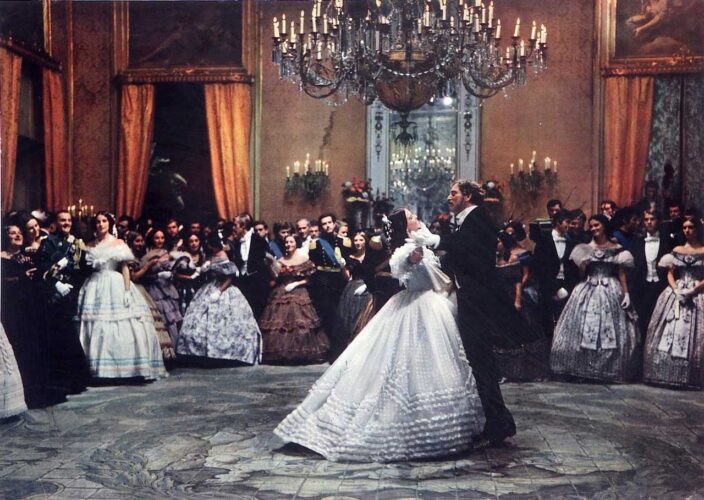
Ma lo splendido salone del Palazzo Valguarnera Gangi diventa un raro esempio di eleganza e raffinatezza cinematografica grazie alla ricerca filologica dei costumi dell’epoca che rispecchiano la psicologia dei personaggi e allo stesso tempo contribuiscono a creare quell’effetto di bellezza estetica a cui Visconti tiene molto. A proposito di questo si dice che il grande regista al fine di raccontare cinematograficamente, nel modo più efficace possibile, la sontuosità e l’eleganza del salone che ospita il ballo, chiede allo scenografo Piero Tosi di reperire una grande quantità di fazzoletti di seta, che sarebbero stati messi nei cassetti dei mobili antichi del salone dopo averli mostrati ai presenti. Tosi fa notare al regista che la macchina da presa non li avrebbe potuti inquadrare in nessun modo. A questo punto Visconti dice “certo ma tutti saranno contaminati nel loro animo dalla loro raffinata eleganza”. Un maestro pertanto che ha saputo essere interprete di un’epoca in transizione di un secolo, l’Ottocento, fondamentale per la nostra storia contemporanea, anche e soprattutto scavando e penetrando nei meandri della psicologia dell’animo umano.
Alain Delon, immortal myth of great cinema and protagonist of Luchino Visconti’s masterpieces
by Antonio Fugazzotto
The disappearance of a great protagonist of cinema or show business is a loss, a vulnus; it affects us. It strikes us something that we often do not know how to define. It is not grief, it is not simple sorrow, let alone condolence. It is deep sadness. It is feeling more alone. With him, we feel he is leaving, a season of our lives. A part of the stage, Chaplin would say, retreats behind a backdrop. Alain Delon, the great and true star, did not actually disappear, perhaps because he is and will be if not immortal, at least eternally contemporary with us all. He was certainly considered the most beautiful and acclaimed film star in the world by his long generation and beyond. A man of chilling beauty in his perfection bordering on the superhuman. A beauty and charm more of a demi-god than a film star. Some will say that the legend is gone, Delon leaves us orphans of the golden age of French, Italian and world cinema.
We can truly say that Alain Delon was more than a star, he was a legend of the silver screen that crossed all international borders. A luminous and glittering mask of eternal youth that remains sculpted among many of our greatest classics of the so-called seventh art. With him goes without a doubt one of the universal icons.
Throughout his career, he played roles of restless characters, troubled and tormented by rebellion or consumed by their afflictions; sometimes roles and characters that resembled his destiny.
Often he has been able to reveal himself as a brilliant performer, driven by a remarkable inner urge to entrust his natural talent to innovative schemes and models while rooted in well-established genres such as gangsterism or hinging on the motions of the soul grappling with existentialist and dramatic influences. Hence ‘The Sicilian Clan – Il clan dei siciliani’, ‘The Swimming Pool – La piscina’ or ‘The First Night of Rest – La prima notte di quiete’.
It was said of his genius and his strong innovative urge. In fact, it should be strongly emphasised that it was he who gave strength, vigour and dignity to that typically French genre too often ignored by refined cinephiles perhaps a little distracted by Delon’s other talents and virtues, the Polar.
This cinematic physiognomy imposes itself as a hybrid, as a singular mixture of the American-style detective story and the typical noir. An exquisitely French genre, strong and bewitching that, as we know, defines the underworld setting and outline, and not the characters, as the real protagonists of the film.
Around the early 1960s, Delon’s undisputed and extraordinary talent did not go unnoticed in the eyes of the greatest of cinema aesthetes for dramatic and sophisticated roles: Luchino Visconti, who wanted him in ‘Rocco and His Brothers – Rocco e i suoi fratelli’ first and then in ‘The Leopard – Il Gattopardo’.
In The Leopard (Il Gattopardo), alongside an extraordinary Burt Lancaster in the role of Don Fabrizio Prince of Salina and an Angelica, daughter of the enriched Don Calogero Sedara, perfectly played by Claudia Cardinale, Delon masterfully plays the role of Tancredi Falconeri, 20-year-old son of the Prince’s sister and in love with the beautiful Angelica.
But from the myth of Delon, let me enter the saga of the high and somewhat stale Sicilian nobility of the Princes of Salina, protagonists of Luchino Visconti’s film and before that of the great historical novel ‘The Leopard’ by Giuseppe Tomasi di Lampedusa.
The novel ‘The Leopard’ (Il Gattopardo) by Giuseppe Tomasi di Lampedusa.
The Leopard is a work that is considered one of the greatest and most appreciated novels in all of Italian and world literature. I fully agree with those who consider a truly great writer to be one who is able to prematurely grasp the traits and clues of a world that is undergoing a historical and epochal change that affects society in all its forms. Giuseppe Tomasi di Lampedusa is undoubtedly one of these.
The novel narrates the economic, social and political transformations taking place in Sicily during the transition from the Bourbon regime to the Unification of Italy. The perspective is that of Don Fabrizio, Prince of Salina, representative of an ancient Sicilian feudal family, who sees the world changing and renewing itself before his eyes.
Symbolically, the union of Tancredi and Angelica, the daughter of an enriched sharecropper, marks the twilight of the Salina family: in fact, the two are very similar: they are young, handsome and good-looking, the up-and-coming exponents of a new society in which passion and calculation meet perfectly. They are fascinating literary symbols, well described and told in the manner of the Sicilian novella that borders on Giovanni Verga’s verist style but in other ways distances itself from it to appear closer to Pirandello’s in its narrative details. They are two puppets who are not very Sicilian and much more Machiavellian in their determined character and can be classified, as far as class is concerned, to two new bourgeois with an evolutionary vision of history. For them, Prince Fabricius is the past that seeks to continue to exist, for whom they express devotion and admiration. But their calculations are projected towards designs that history places before their eyes and their hopeful expectations personified by a Garibaldi who, with the significant contribution of Savoy, fills their hearts with enthusiasm towards a future that in their eyes has already begun.
The Film ‘The Leopard’ (Il Gattopardo) Luchino Visconti’s masterpiece
And we come to the film ‘The Leopard’ by Luchino Visconti. We know of the events linked to the production that saw big names take turns behind the preparation of the film. But finally, the first take arrives, after producer Goffredo Lombardo assigns Suso Cecchi D’Amico, among others, the task of writing the screenplay. A screenplay that remains fairly faithful to the literary work but which, however, takes on cinematographically highly expressive profiles of the relationship between the characters, the magnificence of the settings and the historical context in which they act. Il Gattopardo represents an important moment in Luchino Visconti’s artistic cinematographic career when he devoted himself to a profound search for the salient elements of the past that characterised subsequent films with exquisite historical settings such as ‘La caduta degli dei’, ‘Ludwig’, etc..
It should be noted that Visconti succeeds in recounting, describing and delineating a world that is fatally fading by describing his characters through their movements, glances, silences, movements, pauses even when the ‘scene is still’. He intends, and succeeds perfectly in doing so, to find a synthesis of creative inspiration between Giovanni Verga’s punctual and truthful storytelling and the vibrant yearning for the search for the motions of the human soul characteristic of Proust’s Recherche.
We were saying about the looks. How can we not emphasise with great admiration the deep gaze of Prince Fabrizio, Burt Lancaster, full of melancholy, emotion but also at times of pride when he addresses Angelica, emphasising her beauty and enchanting elegance. The proud gaze of an aristocrat who sees in the splendid sumptuousness of the Salone of Palazzo Valguarnera Gangi in Palermo the apotheosis of his aristocratic family’s splendour. A salon that serves as a sumptuous and magnificent backdrop to the famous ball of which, after more than sixty years, the entire world cinema emphasises the scenic scope as a function of the historical tale based on elegance and unparalleled refinement.
It should be emphasised that the final ball, to which Visconti assigns, unlike the literary work, a more important role both in terms of its duration (it alone occupies about a third of the film) and its location (by placing it as the concluding event), stands for Visconti as a courtly witness to a glorious past in which, however, mediocre, rampant characters, the expression of a new, unscrupulous, business-minded bourgeois class, break in. Here, then, is the melancholic and at the same time proud gaze of a Burt Lancaster who masterfully expresses his anguish and bewilderment in the face of a reality that he is trying to understand and that Proustianally eludes him by taking refuge in the tunnels of his troubled soul.
But the splendid salon of the Palazzo Valguarnera Gangi becomes a rare example of cinematic elegance and refinement thanks to the philological research of the period costumes that reflect the psychology of the characters and at the same time contribute to creating that effect of aesthetic beauty that Visconti cares so much about. In this regard, it is said that the great director, in order to portray cinematically, as effectively as possible, the sumptuousness and elegance of the ballroom, asked set designer Piero Tosi to procure a large quantity of silk handkerchiefs, which were to be placed in the drawers of the antique furniture of the ballroom after showing them to those present. Tosi points out to the director that the camera could not have framed them in any way. At this point Visconti says ‘of course but everyone will be contaminated in their soul by their refined elegance’. A master therefore who knew how to be an interpreter of an era in transition of a century, the 19th century, fundamental for our contemporary history, also and above all by digging and penetrating the meanders of the psychology of the human soul.
 Antonio Fugazzotto: Regista, Autore TV (RAI – Radio Televisione Italiana)- Conferenziere – Presidente del Circolo politico culturale di Roma CIRCOLO DELLE VITTORIE, Presidente dell’Associazione culturale LA GINESTRA di Santa Restituta (Terni).
Antonio Fugazzotto: Director, TV Author (RAI – Italian Radio Television)- Lecturer – President of Rome’s cultural political club CIRCOLO DELLE VITTORIE, President of the cultural association LA GINESTRA in Santa Restituta (Terni).


