
Attualità
L’essenza di Giuba, capitale del sud Sudan, la più giovane del mondo- The essence of Juba, capital of South Sudan, the youngest in the world

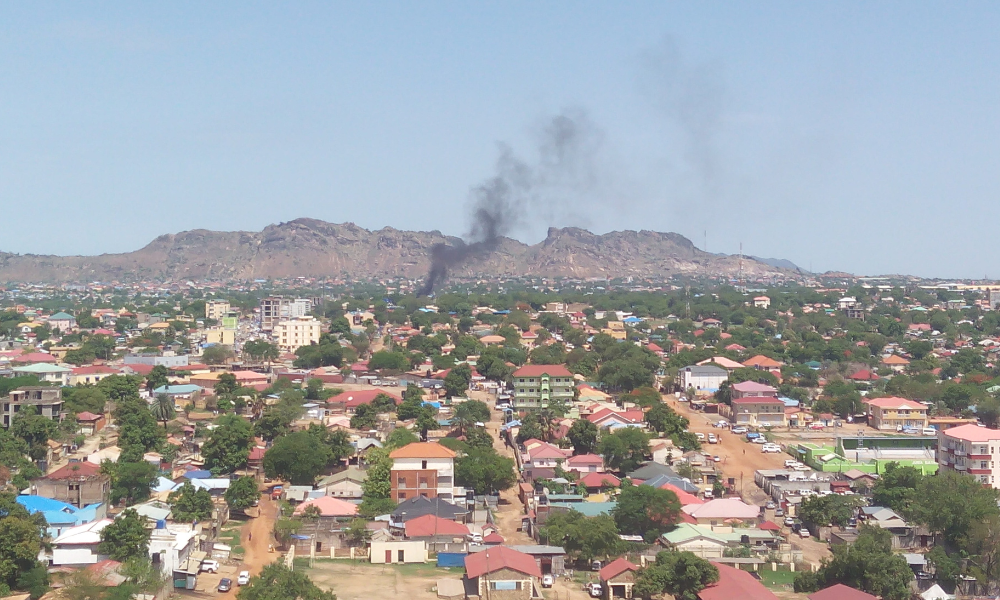


L’essenza di Giuba, capitale del sud Sudan, la più giovane del mondo
di Marco Andreozzi
In questa città con relativa frequenza la gente ti guarda e ti saluta, mentre è altrettanto comune vedere persone comodamente accovacciate sui talloni (posizione ‘impossibile’ per gli Occidentali). Lungo marciapiedi sgangherati, innumerevoli banchetti di cibo da strada, come ad esempio pastelle cotte sul momento con uova ed altro, senza igiene apparente e tuttavia senza indurre problemi digestivi. Poi ci sono i bimbi che a volte piangono intimoriti all’incrocio del mio sguardo, mentre la mensa dell’Università serve pochi piatti deliziosi di cucina locale, consumata su tavolacci di plastica con tovaglie sdrucite dove trovi una brocca di plastica consumata dal tempo da cui versarsi da bere. Il tè è la bevanda tipica. La carne si trova, ma servita in piccole quantità e quasi sempre spezzettata, con gli ossi; il pesce del grande fiume è cotto al vapore e viene gustato a bocconi interi per poi estrarre dai denti con perizia tutte le lische. E alla fine sempre lo stuzzicadenti.
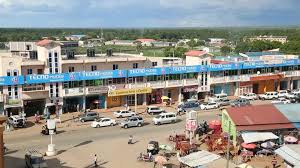
Per strada c’è chi fa schiumosi ‘shampoo’ alle automobili. Laddove l’aria condizionata è disponibile, le temperature sono sempre vicine al freddo, e d’altra parte proprio questa tecnologia viene considerata “la più importante del XX secolo” dal padre della patria singaporiana, ancora oggi il ‘faro illuminante’ (del clan della ‘prugna’, traducendo il suo nome e cognome, la cui sequenza cinese è cognome-nome) Li Kwan Yew (李光耀). Nei pochi supermercati disponibili si trova quasi tutto a sufficienza e ci si adatta, ma lo spettacolo vero sono i mercati popolari, traboccanti di folla in questo clima umido e piovoso per buona parte dell’anno, dove trionfa la lingua locale anche se tutti conoscono sufficientemente l’idioma nazionale. Da notare che qui ci si chiama per cognome, con aggettivanti di rispetto quando necessari, e questo è motivato dall’importanza storica del villaggio di origine, da cui il nome di famiglia. Altrimenti, ci si appella ‘sorella’ o ‘fratello’ (proprio come tra i consacrati) pur senza alcun grado di parentela. E la modalità di interazione e’ sempre molto indiretta e rispettosa, secondo rituali.
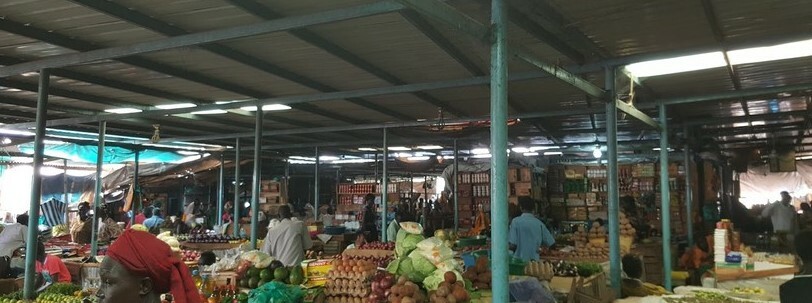
Questa è Guangzhou trent’anni fa (e sarà sempre Canton). E questa è Giuba 2024. Che magnifico ‘amarcord’! Come curiosità, in Sud Sudan alcuni cognomi replicano quelli sino-cantonesi (Deng, Lam, Kao) ed altri risuonano (Kwat, Kwot). Ma anche cognomi italiani, come ad esempio Cirino, o il patriota anti-arabo che nel 1960 lasciò con altri amici partigiani il Sudan, Bazia Renzi. Prima reazione di stupore? Invece va saputo che l’arabizzazione coloniale sudanese nel meridione è stata molto aggressiva, tanto che l’idioma di Giuba oggi è una forma dialettale araba piena di vocaboli ‘bari’, la regione etnica della capitale. Tra le differenze, la capitale del Sud Sudan è meno caldo-umida e più soleggiata della Canton di aprile-ottobre, quando nella nazione africana è stagione delle piogge. In Cina vi erano in più i palazzoni grigi della costruzione ‘rossa’ dei Settanta e una situazione tanto sicura quanto poco lo è il Sudan del Sud. Là, un contesto di Pax Americana e povertà diffusa consentiva la prorompente crescita economica di fine secolo grazie soprattutto ad investimenti esteri (picco assoluto proprio nel 1993), visto l’enorme mercato potenziale.
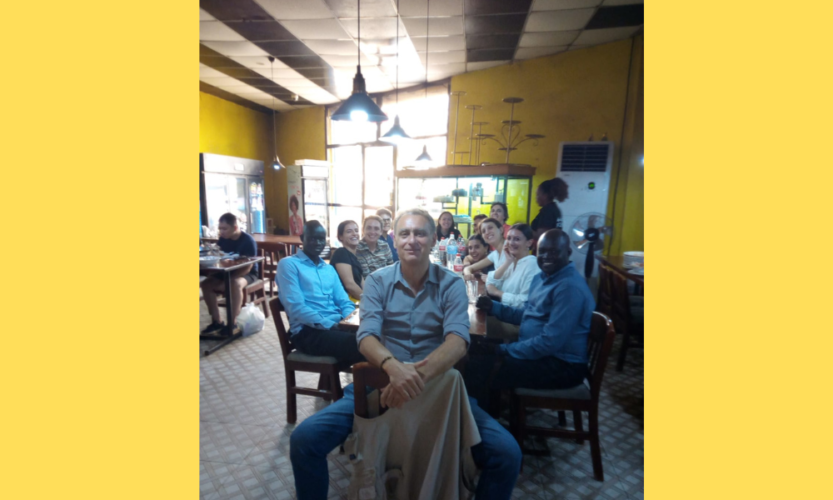
Qua, insicurezza e povertà diffusa in un contesto di stagflazione, aumento dei prezzi e palude economica in estensione con la prossima alluvione, soprattutto nella ‘regione delle paludi’ al centro del Paese. E in tutto questo, che splendida umanità sul pianeta! “La pace inizia con un sorriso” (cit. Santa Madre Teresa di Calcutta).
The essence of Juba, capital of South Sudan, the youngest in the world
by Marco Andreozzi
In this city people look at you and greet you relatively frequently, while it is equally common to see people comfortably crouched on their heels (an ‘impossible’ position for Westerners). Along rickety sidewalks, countless street food stalls, such as for example freshly cooked batters with eggs and more, without apparent hygiene and yet without inducing digestive problems. Then there are the children who sometimes cry in fear when they meet my gaze, while the college canteen serves a few delicious local dishes, consumed on plastic tables with tattered tablecloths where you find a plastic jug worn out by the time from which you pour yourself a drink. Tea is the typical drink. Meat is available, but served in small quantities and almost always chopped, with bones; the fish from the great river is steamed and eaten in whole bites before expertly extracting all the bones from the teeth. And in the end always the toothpick.
On the street there are those who give foamy ‘shampoos’ to cars. Where air conditioning is available, temperatures are always close to cold, and as a matter of fact this very technology is considered “the most important of the 20th century” by the father of the Singaporean homeland, still today the ‘illuminating beacon’ (of the clan of ‘plum’, translating his first and last name, whose Chinese sequence is surname-first name) Li Kwan Yew (李光耀). In the few supermarkets available you can find almost everything in sufficient quantity and you can adapt to it, but the real spectacle is given by the popular markets, overflowing with crowds in this humid and rainy climate for a good part of the year, where the local language triumphs even if everyone knows sufficiently the national idiom. It should be noted that here people call each other by surname, with adjectives of respect when necessary, and this is motivated by the historical importance of the village of origin, hence the family name. Otherwise, people call each other ‘sister’ or ‘brother’ (just like among the consecrated) even without any degree of kinship. And the mode of interaction is always very indirect and respectful, according to rituals.
This is Guangzhou thirty years ago (and will always be Canton). And this is Juba 2024. What a magnificent ‘amarcord’! (A word in Romagna dialect of Italy which means ‘I remember’, title of a well-known movie by Italian director Federico Fellini). As a curiosity, in South Sudan some surnames replicate the Sino-Cantonese ones (Deng, Lam, Kao) and others resonate (Kwat, Kwot). But also Italian surnames, such as Cirino, or the anti-Arab patriot who left Sudan in 1960 with other partisan friends, Bazia Renzi. First reaction, shock? Instead it should be known that the Sudanese colonial Arabization in the south had been very aggressive, so much so that the language of Juba today is an Arabic dialect form full of ‘Bari’ words, from the ethnic region of the capital. Among the differences, the capital of South Sudan is less hot-humid and sunnier than Canton in April-October, when it is the rainy season in the African nation. Furthermore in China there were the gray buildings of the ‘red’ construction of the Seventies and a security situation so good as vice versa it is in South Sudan. There, a context of Pax Americana and widespread poverty allowed the explosive economic growth of the end of last century thanks above all to foreign investments (absolute peak in 1993), given the enormous potential market.
Here, widespread insecurity and poverty in a context of stagflation, rising prices and an economic swamp that will extend with the next flood, especially in the ‘swamp region’ in the center of the country. And in all this, what splendid humanity on the planet! “Peace begins with a smile” (quote Saint Mother Teresa of Calcutta).
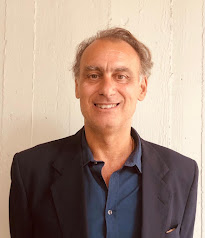
Marco Andreozzi, è Dottore in Ingegneria Meccanica, Economia/Amministrazione (Politecnico di Torino). Tecnologo industriale e specialista del settore energetico, proviene da esperienze professionali in cinque multinazionali in Italia e paesi extra-europei, e come direttore generale da un quarto di secolo; nomade digitale dal 2004 al 2019, e’ sinologo, parla correntemente il mandarino e in Cina e’ stato docente a contratto.
Marco Andreozzi, is a Doctor in Mechanical Engineering, Economics/Administration (Polytechnic of Turin). Industrial technologist and specialist in the energy sector, he comes from professional practices in five corporates in Italy and non-European countries, and as managing director for a quarter of a century; digital nomad from 2004 to 2019, he is a sinologist, speaks fluent Mandarin and was a visiting professor in China.


