
Italiani nel Mondo
Gli italiani nel mondo: la sfida della nostra cultura Parte 3- The Italians around the world: the challenge of our Culture Part 3



Gli italiani nel mondo: la sfida della nostra cultura Parte 3
di Gianni Pezzano
Nella prima e nella seconda parte di questa trilogia di articoli, ho parlato della complessa realtà degli “italiani nel mondo”, ovvero degli emigranti italiani e dei loro discendenti sparsi in tutto il mondo, e di come queste grandi comunità internazionali rappresentino una risorsa sottovalutata nel loro paese d’origine. Tuttavia, nel secondo articolo ho deciso di non affrontare il tema del nostro più grande motivo di orgoglio, la nostra Cultura, poiché occorre fare alcune considerazioni: la nostra Cultura è infatti diventata oggetto di maltrattamenti e fraintendimenti che troppo spesso impediscono a questo patrimonio di ottenere il riconoscimento che indubbiamente merita.
Nel suo libro bestseller “The Italians” (Gli italiani), pubblicato nel 1964 e ancora in vendita, il giornalista, scrittore e politico italiano Luigi Barzini junior ha analizzato il carattere degli italiani, e una previsione da lui formulata in questo libro si è trasformata in realtà in modi che all’epoca non avrebbe potuto immaginare.
Infatti, in un’epoca che stava giungendo al termine della grande ondata di emigrazione italiana seguita alla Seconda Guerra Mondiale, Barzini aveva previsto che i nipoti degli emigranti avrebbero provato il desiderio o l’impulso di ricercare le proprie origini. E ciò è avvenuto in quattro modi principali.
Il primo modo era prevedibile: quando sono diventati disponibili i mezzi finanziari e, cosa ancora più importante, con l’avvento dei voli internazionali relativamente economici, le famiglie e poi i discendenti per conto proprio sono tornati in Italia per vedere i parenti e i luoghi da cui provenivano gli emigranti.
Il secondo modo è stato la ricerca dell’albero genealogico, che ha visto un boom nella crescita delle agenzie specializzate in questo settore e, in molti casi, ha preparato il terreno per le richieste di riconoscimento formale della cittadinanza italiana per coloro i cui genitori, nonni, ecc. avevano permesso loro di mantenere la cittadinanza italiana. Questo è diventato un business molto redditizio, ma purtroppo non tutte queste agenzie hanno agito nel rispetto delle leggi, come testimoniano i vari scandali relativi ai passaporti falsi nel calcio europeo.
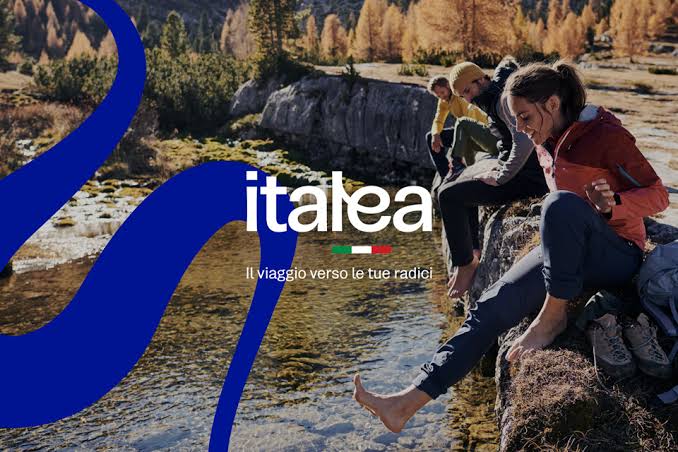
Il terzo modo in cui i discendenti degli emigranti italiani possono riscoprire le proprie origini è il “Turismo delle radici” (il sito ufficiale https://italea.com è attualmente in manutenzione), organizzato dalle amministrazioni regionali per consentire ai discendenti dei nostri emigranti di scoprire i territori in cui sono cresciuti i loro genitori o antenati.
Questo orgoglio per le proprie origini ha poi portato al quarto modo di esprimerlo, con un fenomeno che Barzini non avrebbe potuto prevedere: i social media e la creazione di innumerevoli pagine e siti web incentrati sull’origine italiana, sia essa legata a regioni specifiche, a città o all’Italia in generale, e ciò ha portato alla nascita delle pagine di grande portata che vediamo sui social media.
Purtroppo, questo fenomeno ha anche creato delle difficoltà che fanno sì che la promozione della cultura italiana debba affrontare delle sfide che le autorità italiane e le organizzazioni italiane in tutto il mondo devono risolvere se vogliamo davvero promuovere la nostra cultura nel miglior modo possibile.
Questa sfida consiste nella banalizzazione della nostra cultura, a partire dai meme e dalla mentalità del tipo «pizza, pasta e mafia» che tendono a dominare molte pagine dei social media, specialmente quelle in lingua inglese, spesso ispirate ai tre film della saga de «Il Padrino» diretti dall’italo-americano Francis Ford Coppola e a serie televisive di successo come «I Soprano», che hanno creato un’«aura di rispettabilità» attorno a personaggi che in realtà possono essere descritti solo come criminali, mentre le nostre comunità in tutto il mondo hanno dato enormi contributi positivi ai loro paesi di residenza o di origine, contributi che spesso non vengono riconosciuti, soprattutto proprio su queste stesse pagine.
Ogni giorno, su ogni pagina, vediamo post e immagini che non riflettono la realtà culturale italiana. Ad esempio, vediamo regolarmente foto di “abiti da sposa italiani” (uno in particolare di uno stilista albanese), “raccolti di aglio italiani” (con enormi quantità di aglio, non proveniente dall’Italia), “torte nuziali italiane” (di solito di un produttore indonesiano), ecc., ecc., ecc., che sono state etichettate così spesso come “italiane” che le ricerche online le mostrano prima dei veri prodotti italiani.
E ciò accade a causa di una triste realtà comune a tutti i paesi di emigrazione italiana: la mancanza di un’educazione sull’Italia nelle scuole di tutto il mondo e l’insegnamento della nostra lingua, il che ha reso ancora più difficile per i figli e i discendenti dei nostri emigranti apprezzare veramente la nostra cultura, poiché non sono in grado di leggere i grandi classici della letteratura italiana, vedere film italiani o ascoltare canzoni italiane, a cominciare dai grandi cantautori, nella loro versione originale, e quindi nella loro versione migliore, .
È proprio questa mancanza di una conoscenza precisa della nostra storia, cultura e lingua all’estero a creare i problemi legati alle pagine dei social media.
Inoltre, l’Intelligenza Artificiale (IA) ha contribuito a questa situazione perché l’algoritmo non è in grado di identificare quali siano i veri prodotti o luoghi italiani.
A peggiorare le cose, il boom dell’IA ha anche portato alla diffusione di “informazioni” accompagnate da tecnologie appariscenti, spesso con immagini deliberatamente manipolate o etichettate in modo errato, che forniscono descrizioni fattualmente errate della storia e/o della cultura italiana, o delle vere fonti delle citazioni “ispiratrici”, poiché l’IA non è in grado di verificare attraverso fonti affidabili se una determinata informazione sia vera, e purtroppo le persone vogliono credere a queste versioni “edulcorate” del passato perché preferiscono leggere solo il meglio del proprio passato piuttosto che rendersi conto che il passato è un insieme di momenti positivi, momenti negativi e disastri.
Infatti, durante i miei controlli quotidiani sulle pagine social italiane di diversi paesi, vedo post provenienti da pagine social italiane di un paese in particolare, gli Stati Uniti, che vengono condivisi sulle pagine di altri paesi e questo rende sempre più difficile impedire la diffusione di disinformazione o stereotipi.
Purtroppo, ciò che le persone che diffondono indiscriminatamente queste informazioni non capiscono è che, se il passato fosse stato davvero così bello come lo descrivono questi post e queste pagine, milioni di persone non sarebbero emigrate all’estero…
Ci sarebbe molto altro da dire su questi temi, ma questo basta per comprendere che la promozione della cultura italiana all’estero deve affrontare e superare una sfida non da poco.
Come sempre, ciò deve coinvolgere le autorità italiane e le comunità italiane in ogni paese, perché l’unica vera soluzione a questo problema è l’istruzione. Non solo a livello scolastico, ma anche all’interno delle stesse comunità italiane, poiché la mancanza di informazioni non fa che alimentare il livello di disinformazione sul nostro paese. Senza dimenticare che anche gli amministratori e i moderatori delle pagine sui social media devono essere invitati a partecipare, per fornire loro informazioni oggettive, anziché dover fare affidamento sulla semplice condivisione di informazioni errate provenienti da altre pagine…
E senza dubbio il modo migliore per farlo all’estero è incoraggiare i membri delle comunità italiane in tutto il mondo, magari con borse di studio universitarie, a studiare la cultura e la storia italiana e a scrivere libri su questi argomenti nelle lingue dei loro paesi; ciò può essere fatto non solo dal governo italiano, ma anche dalle principali organizzazioni italiane presenti in ciascun paese, perché TUTTI noi dobbiamo fare il possibile non solo per garantire che la nostra cultura e la nostra storia ottengano il riconoscimento che meritano, ma anche affinché i figli e i discendenti dei nostri emigrati possano finalmente comprendere la vera grandezza del loro patrimonio culturale.
Sì, ciò comporterà delle spese, ma se vogliamo davvero rispettare la nostra storia e la nostra cultura dobbiamo essere onesti con noi stessi riguardo al nostro passato e garantire che ciò che conserviamo e tramandiamo alle generazioni future sia vero e verificabile, perché trasmettere informazioni manipolate non rende assolutamente giustizia alle grandi conquiste degli italiani nel corso dei secoli, comprese quelle degli emigranti italiani e dei loro discendenti in tutto il mondo.
The Italians around the world: the challenge of our Culture Part 3
by Gianni Pezzano
In the first and second parts of this trilogy of articles (links above), I discussed the complex reality of the “Italiani nel mondo”, the Italian migrants and their descendants around the world, and how these great international communities are an unappreciated resource in their country of origin. However, I decided not to discuss our greatest source of pride, our Culture, in the second article because there are considerations that must be made because our Culture has become the subject of mistreatment and misconceptions that all too often prevents this Heritage from achieving the recognition it undoubtedly deserves.
In his bestselling book “The Italians”, released in 1964 and is still on sale, the Italian journalist, writer and politician Luigi Barzini junior, analysed the character of Italians, and a prediction he made in this book has become a reality in ways that he could not have imagined at the time.
In fact, in an era that was reaching the end of the great wave of Italian migration following the Second World War, Barzini predicted that the grandchildren of migrants would have the desire/urge to look for their origins. And this has happened in four major ways.
The first way was predictable, when the financial means and then, even more importantly, the advent of relatively cheap international flights, became available, the families and then the descendants on their own, returned to Italy to see the families and the places the migrants came from.
The second way was the search for the family tree which saw the boom in the growth of agencies that research family trees, and in many cases prepared the ground for applications for the formal recognition of Italian citizenship for those whose parents, grandparents, etc, allowed them to keep their Italian citizenship. This has become a very profitable business, but sadly, not all these agencies acted within the limits of the laws, as the various false passport scandals in European football testify.
The third way for descendants of Italian migrants to rediscover their origins is the “Turismo delle radici” (the official website, https://italea.com/, is currently being undergoing maintenance), organized by the regional governments, to allow the descendants of our migrants to discover the territories where their parents/ancestors grew up.
This pride in the origins then lead to the fourth way of expressing their pride in their origins, with the phenomenon that Barzini could not have predicted, the social media and the creation of countless pages and websites based on being of Italian origin, whether from specific regions, towns, or Italy in general, and this has led to the very large pages we see on the social media.
Unfortunately, this phenomenon has also created difficulties which mean that the promotion of Italian Culture faces challenges that the authorities in Italy, and Italian organizations around the world must resolve if we truly want to promote our Culture in the best way possible.
This challenge is the trivialization of our Culture, starting with the “pizza, pasta and mafia” memes and mentality that tend to dominate many social media pages, especially in the English language pages, often inspired by the three “Godfather” films directed by the Italian American Francis Ford Coppola and hit TV series such as “The Sopranos” that created an “aura of respectability” around characters that in reality can only be described as criminals, when our communities around the world have made enormous positive contributions to their countries of residence/birth that are often unrecognized, most often on these same pages.
Every day, on every page, we see posts and images that do not reflect the cultural reality in Italy. For example, we regularly see photos of “Italian wedding dresses” (one in particular from an Albanian fashion designer), “Italian garlic harvests (with huge amounts of garlic, not from Italy), “Italian weddings cakes” (usually from an Indonesian producer), etc, etc, etc, that have been labelled so often as “Italian” that online searches show them before real Italian products.
And this happens because of one sad fact in all the countries of Italian migration, the lack of education about Italy in schools around the world and the teaching of our language, which has made it even harder for children/descendants of our migrants to truly appreciate our Culture because they are unable to read the great classics of Italian Literature, see Italian films, or listen to Italian songs, starting with the great cantautori (singer songwriters) in their original, and therefore their best, versions.
Indeed, it is this lack of precise knowledge about our history, Culture and language overseas that creates the problems connected to the social media pages.
Furthermore, Artificial Intelligence (AI), has contributed to this situation because the algorithm is incapable of identifying what are real Italian products or places.
Worse still, the boom in AI has also seen the spread of “information” accompanied by flashy technology, often with images that have been deliberately manipulated, or mislabelled, which provide factually incorrect descriptions of Italian history and/or Culture, or the true sources of “inspirational” quotations because AI is unable to verify through reliable sources whether any given piece of information is true, and sadly people want to believe these “sanitized” versions of the past because they want to read the best about their past rather than seeing that the past is combination of good times, bad times and disasters.
If fact, on my daily rounds of the Italian social media pages of a number of countries, I see posts from Italian social media pages from one country in particular, the United States, that are shared on the pages of other countries and this makes it harder and harder to prevent this growth in misinformation or stereotypes.
Sadly, what the people who indiscriminately spread this information do not understand is that, if the past had really been as good as these posts and pages describe, millions of people would not have migrated overseas…
There is much more than can be said about these issues, but this is enough to understand that the promotion of Italian Culture overseas has a severe challenge that must be faced and overcome.
As always, this must involve the authorities in Italy and the Italian communities in every country because the only one real solution to this problem is Education. Not just at a school level, but also within the Italian communities themselves because the lack of information only feeds the level of misinformation about our country. Without forgetting, that the administrators and moderators of the social media pages must also be invited to participate to provide them with factual information, rather than having to rely on simply sharing incorrect information from other pages…
And undoubtedly the best means of doing this overseas is to encourage members of the Italian communities around the world, possibly with scholarships for universities, to study Italian Culture and history and to write books on these subjects in the languages of their countries, and this can be done not just by the Italian government, but also by the major Italian organizations in each country because ALL of us must do as much as possible not just the ensure that our Couture and history gain the recognition they deserve, but that the children/descendants of our migrants finally learn the true greatness of their Cultural heritage.
Yes, this will involves expenses, but if we truly want to respect our history and Culture we must be honest with ourselves about our past and ensure that what we preserve and pass on to future generations is true and verifiable, because passing on manipulated information does absolutely no justice to the great achievements of Italians over the centuries, and this includes the achievements of Italian migrants and their descendants around the world.


