
Italiani nel Mondo
Non abbiamo identità se non conosciamo o non comprendiamo la nostra storia – We have no identity if we do not know or understand our history



Non abbiamo identità se non conosciamo o non comprendiamo la nostra storia
La parola storia non si riferisce solo alle guerre e ad altri eventi grandi o catastrofici, ma riguarda ogni aspetto della nostra vita, a partire dalla nostra famiglia, e dal sapere da dove veniamo e cosa ci ha portato a diventare ciò che siamo oggi.
Siamo ormai all’inizio del periodo natalizio, il periodo dell’anno che senza dubbio racchiude i nostri ricordi più belli della famiglia e per molti di noi figli/discendenti di immigrati italiani questi sono i ricordi che custodiamo con più affetto, in particolare quelli della nostra infanzia.
E ricordi come questi molto spesso costituiscono la base di ciò che consideriamo la nostra identità, in particolare per quanto riguarda il modo in cui ci consideriamo italiani o di origine italiana.
Ma, proprio perché sono ricordi d’infanzia, molti di noi tendono a guardare al nostro passato con occhiali colorati di rosa, anche perché i nostri io più giovani non avevano le competenze linguistiche necessarie per comprendere appieno ciò che accadeva in casa, in particolare per la prima generazione di immigrati italiani nata all’estero, anche se la lingua parlata era solitamente il dialetto condiviso dai genitori.
E questa mancanza di competenze linguistiche/dialettali spesso portava i figli/discendenti degli immigrati italiani a interpretare in modo errato ciò che accadeva in casa, e in questo modo abbiamo iniziato a interpretare a modo nostro non solo le tradizioni familiari ma, in molti casi, anche le ragioni che hanno costretto milioni di italiani, provenienti da ogni parte d’Italia, a cercare una nuova vita all’estero, a cominciare dai nostri stessi genitori.
In realtà, la nostra identità si forma da queste esperienze in casa, così come dalle interazioni con gli altri, italiani e poi non italiani, prima a scuola e poi al lavoro.
Naturalmente, i nostri genitori erano la parte più importante della nostra vita, ma erano anche protettivi nei nostri confronti mentre crescevamo nel nuovo paese di residenza; quindi, non sempre ci trasmettevano le informazioni che ci avrebbero permesso di comprendere veramente il passato della nostra famiglia in Italia.
Un esempio? Molti pensano che tutte le famiglie italiane vivessero in case prima dell’emigrazione, ma spesso non era così per molte famiglie, sia del nord che del sud Italia.
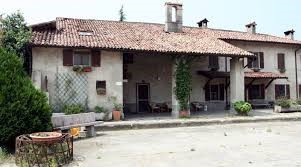
La maggior parte dei nostri emigranti proveniva da contesti rurali e spesso questo significava condividere cascine o case coloniche, in altre parole, fattorie in cui vivevano più famiglie. E anche nei casi in cui le famiglie avevano un edificio individuale, molto spesso l’edificio era occupato non solo dai genitori e dai figli, ma anche dai nonni e persino dai bisnonni.
Ciò significava che erano i nonni/bisnonni a insegnare ai bambini la storia e le origini della famiglia, perché i genitori erano troppo occupati a lavorare durante il giorno e troppo stanchi la sera per insegnare ai figli le tradizioni intimamente legate ai loro luoghi di origine in Italia, come si può vedere nel video qui sotto.
A scene from “The tree of wooden clogs”
E purtroppo, per noi della prima generazione di italiani nati all’estero, i nonni erano ancora in Italia e quindi molti di noi non hanno mai avuto la possibilità di conoscere davvero le nostre origini.
Inoltre, dimentichiamo che prima dell’avvento della radio, della televisione e dei giornali, la maggior parte dei migranti italiani era analfabeta e proveniva da contesti rurali, quindi non aveva mai avuto la possibilità di conoscere e comprendere veramente cosa stesse accadendo in altre parti del Paese, ma subiva comunque gli effetti delle decisioni prese a Roma e nelle grandi città, andando in guerra, vedendo le proprie terre invase e devastate, proprio quelle condizioni che alla fine spinsero molti di loro a decidere di emigrare.
Naturalmente, i migranti provenienti dalle grandi città avevano esperienze di vita diverse, ma gli effetti delle condizioni politiche li colpivano tanto quanto le persone delle zone rurali.
Così, noi figli d’emigranti siamo cresciuti senza sapere esattamente perché i nostri genitori/nonni fossero emigrati e, poiché spesso i nonni non erano in casa, non ci è stata insegnata la storia della nostra famiglia.
A peggiorare questa mancanza di conoscenza, a causa delle loro origini, le nostre madri e i nostri padri hanno subito discriminazioni sul posto di lavoro e in altri luoghi pubblici e chissà quanti di loro non hanno mai raccontato ai figli, che a loro volta subivano discriminazioni e pregiudizi a scuola, cosa stavano vivendo nel loro nuovo Paese.
E, in molti casi in passato, questo include ciò che è realmente accaduto tra la maggioranza passiva dei migranti italiani e i gangster italiani che li sfruttavano, a cominciare da quanti italiani pagavano il “boss” locale per la “protezione” delle loro attività appena avviate, di solito dagli stessi gangster se non pagavano. Purtroppo, ora i discendenti di queste vittime della criminalità organizzata vedono questi criminali come “modelli da imitare” grazie a film e programmi televisivi che li hanno portati ad avere una visione distorta del loro passato…
Ora, dopo il passare delle generazioni, i discendenti di questi migranti e i loro figli hanno solo una vaga idea delle vere ragioni per cui i loro antenati sono emigrati e delle reali condizioni della prima generazione nel nuovo paese e dei loro figli.
Senza dimenticare che con il passare delle generazioni i ricordi cambiano e diventano più vaghi o addirittura ingannevoli.
Quindi, se noi figli/discendenti di migranti italiani, indipendentemente da dove ci troviamo, vogliamo comprendere la nostra identità, la risposta deve venire dalla conoscenza e dalla comprensione del nostro passato, perché pochi discendenti comprendono il costo umano della decisione dei nostri antenati di emigrare in un altro paese e, cosa ancora più grave e tragica, le scuole all’estero non ci hanno fornito alcun aiuto per conoscere il nostro passato…
Per noi figli/discendenti dell’emigrazione del secondo dopoguerra, non mancano libri che ci permettono di conoscere com’era l’Italia in quel periodo, e i primi due sono “La Ciociara” di Alberto Moravia, diventato il film Oscar “La Ciociara” con Sophia Loren, e “La Pelle” di Curzio Malaparte. Mentre il grande film “L’albero degli zoccoli” diretto da Ermanno Olmi mostra brillantemente la realtà della vita nelle cascine durante il ‘800.
E nel ricercare il nostro passato, molti di noi impareranno anche che la nostra identità non è costituita solo dall’eredità che ci hanno lasciato i nostri parenti italiani, ma anche dai loro parenti non italiani e dal paese in cui vivono e crescono…
We have no identity if we do not know or understand our history
The word history does not refer only to wars, and other great or catastrophic events, it deals with every aspect of our lives, starting with our own family, and knowing where we come from and what led us to becoming who and what we are today.
We are now at the start of Christmas, the period of the year that undoubtedly holds our greatest memories of the family and for many of us children/descendants of Italian migrants these are the memories we cherish the most, particularly those of our childhood.
And memories like these very often form the basis of what we see as our identity, particularly for how we see ourselves as being Italian, or of Italian origin.
But, precisely because they are childhood memories, many of us tend to look at our past with rose coloured glasses, also because, the younger versions of ourselves did not have the Italian language skills to fully comprehend what was happening in the home, particularly for the first generation born overseas of Italian migrants, even if the language spoken was usually the dialect the parents shared.
And this lack of Italian language/dialect skills often led children/descendants of Italian migrants to misinterpret what was happening in the home, and in this way we started to interpret in our own personal way not just family traditions but, in many cases, also the reasons that forced many millions of Italians, from every part of Italy to look for a new life overseas, starting with our own parents..
In fact, our identity is formed from these experiences in the home, as well as the interactions with others, Italians and then non-Italians, first at school and then at work.
Of course, our parents were the most important part of our lives, but they were also protective of us as we grew up in the new country of residence, so they did not always pass onto to us the information that would have given us a real understanding of our family’s past in Italy.
One example? Many think that all Italian families lived in homes before migration, but this was often not the case for many families, whether from the north or the south of Italy.
Most of our emigrants came from rural backgrounds, and often this meant sharing cascine or case coloniche, in other words, farmsteads, in which more than one family lived. And even in cases of families having an individual building, the building was very often occupied not just by the parents and children, but also grandparents, and even great grandparents.
This meant that the grandparents/great grandparents were the ones who taught the young children the family history and background because the parents were too busy working during the day and too tired in the evenings to teach the children the traditions that are intimately tied to their places of origin in Italy, as can be seen in the video clip below.
A scene from “The tree of wooden clogs”
And sadly, for us of the first generation of Italians born overseas, the grandparents were still in Italy and so many of us never had the real chance to learn where we came from.
In addition, we forget that before radio, television and newspapers, the majority of Italian migrants were illiterate and from rural backgrounds, and so they never had the chance to really know and understand what was happening in other parts of country, but they still suffered the effects of the decisions made in Rome and the major cities, going to war, seeing their lands invaded and ravaged, the very conditions that eventually saw many of them decide to migrate.
Of course, the migrants who came from the major cities had different life experiences, but the effects of the political conditions affected them as much as they did the people in the rural areas.
So, we children overseas grew up not knowing precisely why our parents/grandparents migrated and, because the grandparents were often not in the home, we were not taught our family history.
Making this lack of knowledge even worse, due to their origins our mothers and fathers encountered discrimination in the workplace and other public places and who knows how many of them never told the children, who were themselves suffering discrimination and prejudice at school, what they were going through in their new country.
And, in many cases in the past, this includes what really happened between the passive majority of Italian migrants and the Italian gangsters that preyed on them, starting with how many Italians paid the local “boss” for “protection” of their newly formed businesses, usually from the gangsters themselves if they did not pay. Unfortunately, now descendants of these victims of organized crime see these criminals as “models to be copied” thanks to films and TV programmes that have led them to have a distorted vision of their past…
Now, after the passing of generations, the descendants of these migrants and their children have only a vague idea of the real reasons their ancestors migrated, and the real conditions of the first generation in the new country and their children.
Without forgetting that with each passing generation, memories change and become vaguer or even deceptive.
So, if we children/descendants of Italian migrants, no matter where, want to understand our identity, the answer must come from knowing and understanding our past because few descendants comprehend the human cost of our ancestors’ decision to migrate to another country and, worse still and tragically, schools overseas have provided no help at all for us to learn about our past…
For us children/descendants of the migration after the Second World War, there is no lack of books that can let us know what Italy was like during that period, and the first two are “La Ciociara” by Alberto Moravia that became the Oscar Winning film “Two Women” with Sophia Loren, and “La Pelle” (The Flesh) by Curzio Malaparte. While the great film “L’Albero degli zoccoli” (The tree of the wooden clogs) directed by Ermanno Olmi, brilliantly shows the reality of living in cascine during the 1800s.
And in researching our past many of us will also learn that our identity is made up not just of the heritage given to us by our Italian relatives, but also their non-Italian relatives, and the country in which they live and grow up…


