
Attualità
Pandemia digitale. Quando l’accusa corre più veloce delle prove-The Digital Pandemic. When Blame Travels Faster Than Evidence



Pandemia digitale. Quando l’accusa corre più veloce delle prove
Un guasto può attraversare le frontiere in pochi minuti. Un’accusa infondata può fare lo stesso. Quando le due crisi si incontrano, sono in gioco la sicurezza dei cittadini, la libertà di giudizio e la pace.
di Prof. Gabriele Pao-Pei Andreoli – Presidente, Institute for Advanced Studies and Cooperation (IASC)
La sera del 15 novembre 2022, un’esplosione uccise due persone nel villaggio polacco di Przewodów, vicino al confine con l’Ucraina. L’Associated Press, sulla base di un’unica fonte anonima, diffuse la notizia che missili russi avevano colpito il territorio polacco. La Russia aveva attaccato un Paese della NATO? Il giorno seguente, l’Alleanza atlantica comunicò che, secondo la sua prima analisi, si trattava con ogni probabilità di un missile della difesa aerea ucraina, lanciato per contrastare un attacco russo. L’agenzia rettificò. Due famiglie piangevano i loro morti. Nel giro di poche ore, il significato politico attribuito a quelle morti era cambiato profondamente. [1, 2]
Su queste pagine ho scritto di un «Far West digitale». Temo che la prossima crisi possa assumere la forma di una pandemia digitale. Mentre un guasto si propaga da un servizio essenziale all’altro, un’accusa sulla sua origine può già aver attraversato il mondo e spinto un governo a reagire. I tempi necessari per proteggere la popolazione e quelli necessari per accertare le responsabilità raramente coincidono.
Per comprendere il pericolo della manipolazione cognitiva, basta seguire il percorso di una notizia. La leggiamo in un titolo, la ritroviamo in un video, ce la inoltra una persona di cui ci fidiamo. Ci sembra di avere tre conferme. Potremmo avere una sola fonte, ripetuta tre volte. In una serie di esperimenti su titoli di notizie inventate, anche una sola esposizione precedente aumentava la credibilità che i partecipanti attribuivano al titolo quando lo rivedevano. L’effetto era ancora osservabile una settimana dopo. [3]
La ripetizione può contribuire a formare il pregiudizio che domani sembrerà limitarsi a confermare. Se il nome dello stesso avversario politico o ideologico accompagna ogni episodio oscuro, al prossimo incidente saremo forse noi stessi a pronunciarlo, prima ancora di conoscere i fatti. La nostra percezione della realtà si piega alle aspettative che abbiamo maturato. Il processo può avvenire spontaneamente. Chi desidera orientare il giudizio pubblico può anche sfruttarlo, tanto più facilmente quando esprimere un dubbio viene vissuto come un tradimento della propria parte.
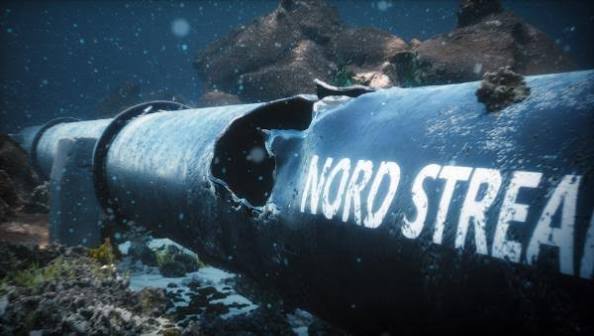
Il sabotaggio dei gasdotti Nord Stream, nel settembre 2022, impone precisamente questa cautela. Chi ha collocato gli esplosivi? Chi ha organizzato l’operazione? Chi l’ha eventualmente autorizzata a livello politico? Ciascuna domanda richiede prove proprie. Nel 2026 la Germania ha riferito alle Nazioni Unite degli sviluppi del procedimento penale. In agosto la Procura federale tedesca ha annunciato l’arresto in Croazia di un cittadino ucraino sospettato di aver partecipato al sabotaggio. La nazionalità di un indagato, da sola, non dimostra la responsabilità di un governo. Dovremmo applicare questo criterio con lo stesso rigore qualunque sia la bandiera in questione. [4, 5]
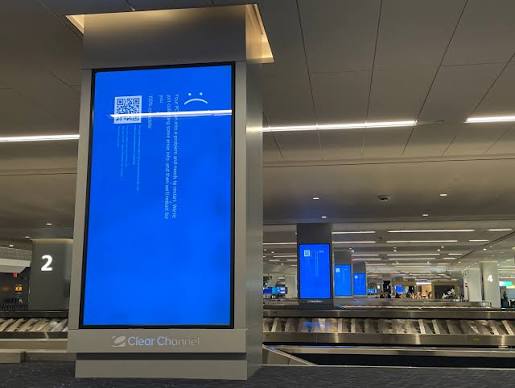
Quanto alle infrastrutture, conosciamo già la portata che può avere un singolo guasto. Nel luglio 2024 un aggiornamento difettoso di CrowdStrike interessò, secondo Microsoft, circa 8,5 milioni di dispositivi Windows, meno dell’un per cento del totale mondiale. Eppure furono cancellati voli e si verificarono disservizi nella sanità e nelle banche. Per chi aspettava una cura o doveva rientrare a casa, contava quali apparecchi si erano fermati e quali servizi dipendevano da essi. [6, 7]
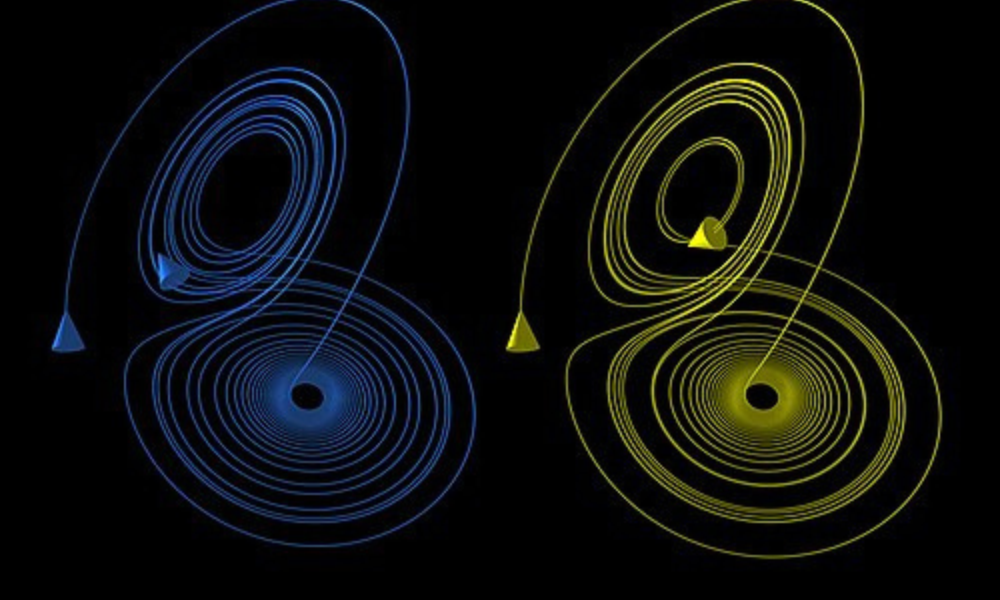
È questa la forma concreta che può assumere l’«effetto farfalla». Un ospedale ha un generatore, ma quando ha provato l’ultima volta ad accettare un paziente senza poter consultare il sistema informatico? Un Comune dispone di un piano di emergenza, ma come avviserà i cittadini se le istruzioni sono accessibili soltanto dal telefono? In una società che usa sempre meno contante, come potrà una famiglia ritirare un farmaco urgente se il pagamento elettronico si blocca? Alla vulnerabilità dei sistemi obsoleti si aggiunge l’eccessiva fiducia in quelli nuovi. Il costo di entrambe ricade anche su persone che non hanno mai scelto la tecnologia da cui ora dipendono.
La fiducia pubblica si costruisce dando prova di coerenza proprio quando la realtà contraddice le nostre aspettative. Un giornale può dare a una rettifica lo stesso rilievo che aveva dato all’accusa. Un governo può spiegare ciò che sa, riconoscere ciò che ancora ignora e dire ai cittadini quando tornerà ad aggiornarli. Ciascuno di noi, prima di inoltrare una notizia che conferma un sospetto, può risalire alla fonte.
La convergenza fra intelligenza artificiale, tecnologie quantistiche, robotica e biotecnologie rende più urgente questa responsabilità comune. Con Spirit of Quantum, la piattaforma agentica aperta e senza scopo di lucro che stiamo costruendo all’IASC a partire da La Costituzione post-quantistica, vogliamo riunire ingegneri, medici e amministratori pubblici perché possano decidere insieme, prima di una crisi, come garantire la continuità delle cure e un’informazione attendibile.
Ripenso alla famiglia al banco della farmacia. Durante un’interruzione, deve poter tornare a casa con il farmaco. E quando chiederà che cosa è accaduto e chi ne risponde, merita una spiegazione fedele ai fatti, anche se politicamente scomoda. Una comunità che mantiene entrambe le promesse dà ai suoi cittadini una buona ragione per fidarsi delle istituzioni.
The Digital Pandemic. When Blame Travels Faster Than Evidence
A technical failure can cross borders in minutes. So can an unfounded accusation. When the two crises meet, public safety, freedom of judgment and peace are all at stake.
By Prof. Gabriele Pao-Pei Andreoli – President, Institute for Advanced Studies and Cooperation (IASC)
On the evening of 15 November 2022, an explosion killed two people in the Polish village of Przewodów, near the Ukrainian border. Citing a single anonymous source, the Associated Press reported that Russian missiles had struck Polish territory. Had Russia attacked a NATO country? The next day, NATO said its preliminary assessment pointed to a Ukrainian air-defence missile fired in response to a Russian attack. The agency issued a correction. Two families were grieving. Within hours, the political meaning the world had attached to those deaths had changed profoundly. [1, 2]
I have written in The DailyCases about a “Digital Far West.” My concern now is that the next crisis could take the form of a digital pandemic. While a technical failure spreads from one essential service to another, an accusation about its cause could already have crossed the world and prompted a government to act. Protecting the public and establishing responsibility rarely run to the same timetable.
To understand the risk of cognitive manipulation, consider the journey of a single news item. We read a headline, see the same claim in a video and receive it again from a friend we trust. It feels like three confirmations. All three may lead back to one source. In experiments using fabricated news headlines, participants who had seen a headline even once tended to judge it more credible when they saw it again. The effect was still observable a week later. [3]
Repetition can help create the bias it later appears to confirm. If the name of the same political or ideological adversary accompanies every unexplained event, the next time something happens we may supply the name ourselves, before anyone has established the facts. Our perception of reality begins to bend towards an expectation we have acquired. This can happen spontaneously. It can also be exploited by anyone seeking to shape public judgment, especially where expressing doubt carries the social cost of appearing disloyal.
The September 2022 sabotage of the Nord Stream pipelines calls for precisely this care. Who placed the explosives? Who organised the operation? Who, if anyone, authorised it at a political level? Each question requires evidence of its own. In 2026, Germany informed the United Nations of developments in the criminal proceedings. In August, German federal prosecutors announced the arrest in Croatia of a Ukrainian national suspected of taking part in the sabotage. A suspect’s nationality alone cannot establish a government’s responsibility. The same standard should apply whichever flag is involved. [4, 5]
As for the infrastructure itself, we already know how far a single failure can reach. In July 2024, Microsoft estimated that a faulty CrowdStrike update had affected 8.5 million Windows devices, fewer than one per cent of the worldwide total. Yet flights were cancelled and healthcare and banking services were disrupted. For a patient awaiting care or a passenger trying to get home, what mattered was which computers had stopped working and who depended on them. [6, 7]
This is what the butterfly effect can look like in daily life. A hospital has a generator, but when did it last practise admitting a patient while its computer system was unavailable? A town has an emergency plan, but how will residents find the instructions if their phones lose service? In a society that uses less and less cash, how will a family collect urgent medicine if the pharmacy cannot process a payment? Ageing infrastructure leaves communities exposed. So does excessive confidence in new systems. Both impose risks on people who had little say in choosing the technology on which they now depend.
Public trust grows when people see institutions act consistently with their values, especially when the facts prove inconvenient. A newspaper can give a correction the prominence it gave the accusation. A government can explain what it knows, acknowledge what it still needs to establish and tell citizens when they can expect another update. Each of us can trace a claim to its source before forwarding a story that confirms our suspicions.
The convergence of artificial intelligence, quantum technologies, robotics and biotechnology makes that shared responsibility more urgent. Through Spirit of Quantum, the open, non-profit agentic platform we are building at IASC, rooted in The Post-Quantum Constitution, we want engineers, clinicians and public officials to work out together, before a crisis, how to keep patients in care and the public reliably informed.
I keep coming back to the family at the pharmacy counter. During an outage, they should still be able to go home with the medicine. And when they ask what happened and who was responsible, they deserve an account faithful to the evidence, however politically uncomfortable it proves. A community that keeps both promises gives its citizens good reason to trust their institutions.
Fonti / Sources
1. NATO · Explosion in eastern Poland, 16 November 2022
2. The Washington Post · The Associated Press correction
3. Pennycook, Cannon & Rand · Prior exposure increases perceived accuracy of fake news
4. United Nations · German communication on Nord Stream, S/2026/626
5. German Federal Public Prosecutor · Nord Stream arrest, 19 August 2026
6. Microsoft · Helping our customers through the CrowdStrike outage


