
Arte & Cultura
L’antica Pompei ancora fonte di conoscenza sui Culti Misterici-Ancient Pompeii still a source of knowledge about Mystery Cults



L’antica Pompei ancora fonte di conoscenza sui Culti Misterici
di Antonio Virgili – vicepresidente Lidu onlus
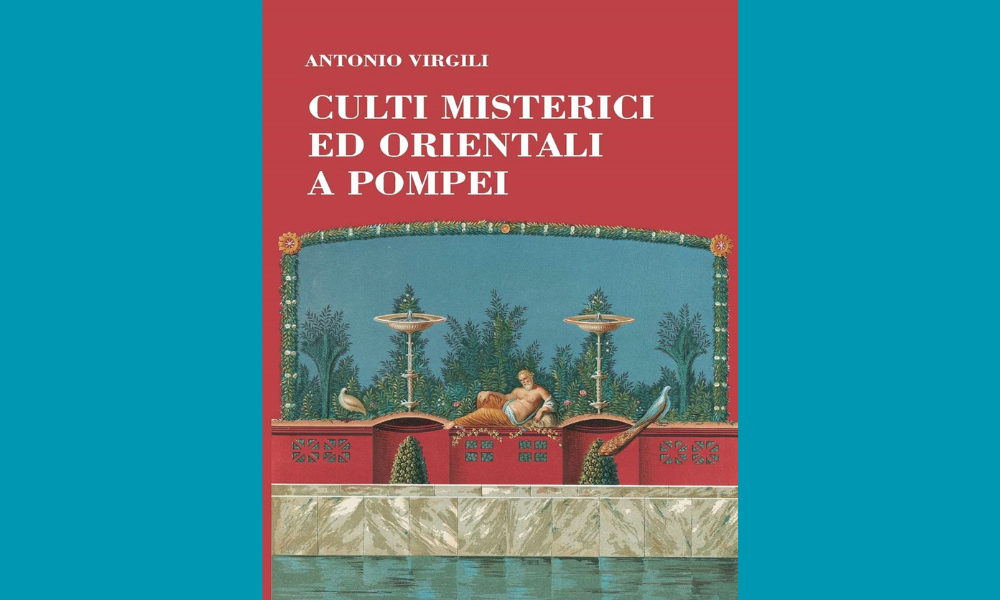
La “megalografia”, ovvero il fregio a dimensioni quasi reali, trovata nella grande sala per banchetti nell’area centrale di Pompei, nell’insula 10 della Regio IX, denominata “Casa del Tiaso” arricchisce le conoscenze sui culti misterici praticati in quella città. Gli affreschi, riportati alla luce nel 2025, riprendono il mito di Dioniso con scene di iniziazione e cortei bacchici. Tornare ad affrontare il tema dei culti misterici, come avevo avuto modo di fare nel mio volume “Culti Misterici ed Orientali a Pompei” alcuni anni addietro, riporta all’attenzione ed alla riflessione di un pubblico più vasto quelle tracce di eventi, tradizioni, culti e riti d’origine orientale e misterici, i cui contenuti meno superficiali hanno lasciato una impronta che perdura nel tempo.
Perché l’edificio dell’affresco è stato denominato “Casa del Tiaso”? Il Tìaso (in greco antico: θίασος) era un’associazione femminile di carattere prevalentemente religioso che nell’Antica Grecia celebrava il culto di un dio, specialmente quello di Dioniso, con processioni, canti e danze generalmente sfrenate. Questa parola, di origine incerta, in origine era stata usata nel senso di “banchetto”. Poi fu usata nel significato di compagnia religiosa o anche, per derivazione, in quello di festa celebrata da una compagnia religiosa. In particolare, questo termine fu ampiamente riferito al culto dionisiaco, con speciale riguardo alle danze e canti scomposti; ed è appunto in questo significato che la parola ϑίασος si diffuse nel mondo greco. Il Tìaso fu quindi inteso, nella mitologia greca, come il corteo al seguito di Dioniso, i cui membri più significativi erano le Menadi, le donne che insieme con i Satiri e i Sileni partecipavano del furore sacro indotto dal culto orgiastico di questa divinità. Esse furono poi chiamate anche βάκχαι “baccanti”, in quanto assimilate a Bacco. Dato il significato fondamentalmente agrario di Dioniso, si può dedurre che anche le Menadi abbiano avuto questa connessione originale e che esse rappresentino e insieme provochino, le potenze attive della natura vegetale.
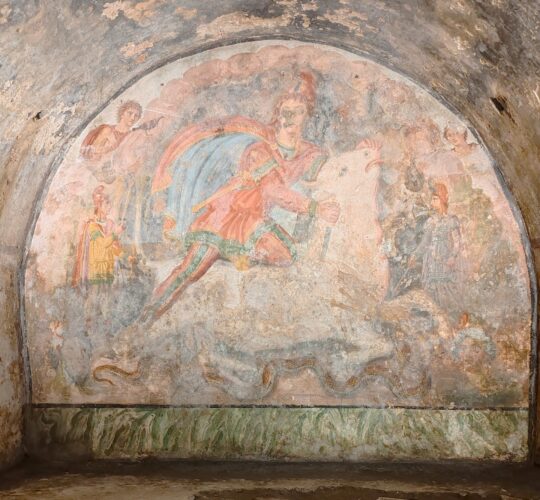
I culti che prevedevano una componente orgiàstica, nell’antichità greca e successivamente a Roma, erano caratterizzati da stati di entusiasmo religioso, sfrenatezza alimentare e sessuale. Diversamente dall’uso corrente, il significato originario della parola “orgia” indicava una “cerimonia rituale” con caratteristiche di forte energia. Queste cerimonie rituali, frequenti nella tradizione di numerose religioni (grandi feste iniziatiche o agricole, celebrazioni misteriche in onore di divinità ecc.), consistevano in manifestazioni di carattere tumultuoso, i cui partecipanti, sottraendosi temporaneamente alle norme che regolano il comportamento consueto della comunità, si abbandonavano a un’esplosione senza freno della vita fisica e psichica. L’azione sacra raggiungeva nei riti orgiastici un entusiasmo parossistico, cioè una commozione e partecipazione molto intense, tanto da divenire parossistico ovvero acuto, esacerbato o violento, sfiorando quella che oggi definiamo uno stato alterato. Tuttora in psichiatria e medicina si usa il termine di “crisi parossistica” per indicare una alterazione della coscienza. Tale stato psichico era indicato come momento di passaggio e di collegamento con la divinità. Pure la poetessa Saffo fu sacerdotessa di un Tìaso, legato al culto di Afrodite, a Lesbo. Nell’isola venivano inviate le ragazze di famiglie importanti per essere istruite su canto, danza, bellezza, amore, raffinatezza. La presenza di rapporti di omoerotismo sia tra le allieve del Tìaso sia tra le singole ragazze e Saffo, nella società della Grecia arcaica, e in particolare nell’isola di Lesbo, si riteneva fosse propedeutica all’amore eterosessuale del matrimonio, cui era destinata principalmente tale educazione. Al di là di precise tradizioni religiose, il motivo dell’orgiasmo quale infrazione di norme date è presente in tutte le tradizioni popolari, persistendo in varie forme anche nel moderno carnevale, con i suoi correlati sociali e psicologici. Per la propria formazione e per la nota curiosità intellettuale, Carl Gustav Jung, ad esempio, fu attratto dalle descrizioni riguardanti la dimensione sovrapersonale del simbolismo religioso e mitologico, in particolare dalla componente psichica dei riti, esplorandone le connessioni con la trasformazione ottenuta attraverso la ritualità. Jung studiò in particolare i culti Mitraici. Il quesito su quali possibilità abbia la ritualità di modificare la psiche, in che misura e con quale persistenza è tuttora attuale. In effetti, avvicinarsi alla comprensione di quanto ci è stato tramandato è un evento presente, che può aver luogo grazie al passato, ma il cui senso finale è atemporale, quindi anche futuro.
La valenza ed attualità degli antichi culti misterici trova risposta in due diverse dimensioni. Da un lato essi sono componenti rilevanti di quella tradizione religiosa e filosofica che costituisce una parte della trama sottile della storia e della civiltà europee nel loro fecondarsi con le tradizioni orientali antiche. Una trama nella quale cosmogonia, miti, rituali, simboli e sacralità si fondevano entro un insieme ordinato, coerente, atemporale. Dall’altro, costituiscono il tramite di una continuità millenaria di ritualità e di simbolismo che sopravvivono e si adattano agli eventi storici contingenti. Quella continuità sulle cui tracce hanno indagato intellettuali di varia estrazione, dal già citato Jung a Levi-Strauss, così come Kereny e Mircea Eliade, per ricordarne solo alcuni, interrogandosi circa la possibilità di individuare quei nuclei fondanti – o strutture elementari – persistenti nel tempo, che accomunano culture, riti, religioni e comunità umane diverse. Il nesso tra l’analisi di Jung sui modelli archetipici e quanto affermato da antropologi e sociologi, da Levy-Bruhl a Boudrillard, è evidente. Quelle tracce sono ancora presenti, sia pure con forme e modalità che non sempre rendono facile l’identificazione d’origine, in forme religiose o rituali oggi diffusi e praticati, anche se meno noti o percepiti. L’ansia spirituale, il desiderio di rapportarsi ad un mondo ultraterreno eterno, la percezione della perfettibilità individuale, il senso del dovere morale e l’immortalità dello spirito, sono infatti tutti caratteri filosofico-religiosi presenti nelle religioni misteriche. Tali caratteri, più che essere legati ad una data sequenza storica evolutiva, perdurano attraverso i millenni quasi quali modelli e strutture ontologiche e soteriologiche.
I culti misterici, nonostante le diverse modalità rituali, oltre alle indubbie componenti psichiche avevano alcuni altri elementi in comune che li caratterizzavano e che possono sinteticamente così indicarsi:
– il carattere iniziatico (prevedevano una cerimonia di “ingresso” nella comunità dei seguaci e un
legame esclusivo tra la divinità ed il suo fedele);
– il carattere misterico (i rituali ed i benefici conseguenti erano riservati solo al fedele, il “mista“) ovvero esoterico;
– il carattere soteriologico (promettevano la “soterìa”, cioè la salvezza);
– il carattere escatologico (offrivano una dottrina dei fini ultimi, “éscata”, capace di dare un senso alla vita individuale).
Per queste e per altre caratteristiche, i culti misterici sono parte non secondaria della cultura, della storia religiosa e sociale d’Italia, d’Europa e dell’intero bacino del Mediterraneo. Costituiscono un anello che collega tra loro tradizioni religiose e culturali diverse, orientali ed occidentali, e che si è proiettato in varie forme e modalità nei secoli successivi. Essi si svilupparono, almeno per quanto riguarda l’area mediterranea, principalmente nell’antico Egitto, a partire da circa duemila anni prima di Cristo, ma avevano radici ancora più remote ed eterogenee delle quali si sono in parte perse le tracce. I culti Misterici, che siano Isiaci, Mitraici, Dionisiaci o altri, possono considerarsi, in una prospettiva quasi filogenetica, uno dei ponti di collegamento tra individuale e collettivo, tra passato e presente, tra soma e psiche, tra sacro e profano. Il loro studio può quindi ancora fornire, in più discipline, spunti rilevanti alla ricerca.
Ancient Pompeii still a source of knowledge about Mystery Cults
di Antonio Virgili – vicepresidente Lidu onlus
The “megalography”, or near-life-size frieze, found in the large banquet hall in the central area of Pompeii, in Insula 10 of Regio IX, known as the “House of the Thiasus,” enriches our knowledge of the mystery cults practiced in that city. The frescoes, unearthed in 2025, revisit the myth of Dionysus with scenes of initiation and Bacchic processions. Revisiting the theme of mystery cults, as I had the opportunity to do in my book “Mystery and Oriental Cults in Pompeii” a few years ago, brings to the attention and reflection of a wider audience those traces of events, traditions, cults, and rites of Eastern and mystery origin, whose less superficial content has left a lasting impression.
Why was the building called the “House of the Thiasus”? The Thiasos (Ancient Greek: θίασος) was a predominantly religious women’s association in Ancient Greece that celebrated the cult of a god, especially Dionysus, with processions, songs, and generally wild dances. This word, of uncertain origin, is first recorded in a fragment by the poet Alcman, meaning “banquet.” It was later used to mean a religious company or, by derivation, a festival celebrated by a religious company. In particular, this term, at least originally, referred to the Dionysian cult, with particular reference to its wild dances and songs; and it is precisely in this sense that the word thiasos spread throughout the Greek world. The Thiasos was therefore understood, in Greek mythology, as the procession following Dionysus, whose most significant members were the Maenads, the women who, together with the Satyrs and Sileni, participated in the sacred fury induced by the orgiastic cult of this deity. They were later also called βάκχαι “bacchantes,” as they were assimilated to Bacchus. Given the fundamentally agrarian meaning of Dionysus, it can be deduced that the Maenads too have this original connection and that they both represent and provoke the active powers of vegetal nature. Cults that included an orgiastic component, in ancient Greece and later in Rome, were characterized by states of religious enthusiasm and dietary and sexual unrestrainedness. Contrary to current usage, the original meaning of the word “orgy” indicated a “ritual ceremony” characterized by high energy.
These ritual ceremonies, frequent in the traditions of numerous religions (great initiatory or agricultural festivals, mystery celebrations in honour of deities, etc.), consisted of tumultuous events in which participants, temporarily escaping the norms governing the community’s customary behaviour, abandoned themselves to an unrestrained explosion of physical and mental life. In orgiastic rites, the sacred action reached a paroxysmal enthusiasm, that is, a very intense emotion and participation, so much so that it became paroxysmal or acute, exacerbated, or violent, bordering on what we today define as an altered state. In psychiatry and medicine, the term “paroxysmal crisis” is still used to indicate an alteration of consciousness. This psychic state was considered a moment of transition and connection with divinity. Even on the island of Lesbos, the poet Sappho was a priestess of a Thiasos associated with the cult of Aphrodite. Girls from relevant families were sent to the island to be instructed in singing, dancing, beauty, love, and refinement. The presence of homosexual relationships, both among the students of the Thiasos and between individual girls and Sappho, in the society of archaic Greece, particularly on the island of Lesbos, was believed to be preparatory to the heterosexual love of marriage for which such education was primarily intended. Beyond specific religious traditions, the motif of orgiasm as a violation of established norms is present in all popular traditions, persisting in various forms even in the modern carnival, with its social and psychological correlates. Due to his own education and intellectual curiosity, Carl Gustav Jung, for example, was drawn to descriptions of the suprapersonal dimension of religious and mythological symbolism, particularly the psychic component of rites and the connections with the transformation achieved through ritual. Jung in particular studied the Mithraic cults. The question of what possibilities rituality has to modify the psyche, to what extent and with what persistence is still relevant. In fact, approaching the understanding of what has been handed down to us is a present event, which can take place thanks to the past, but whose final meaning is timeless, therefore also future.
If one asks what value or relevance ancient mystery cults have, or could have, today, the answer can be articulated along two different dimensions. On the one hand, they are significant components of that religious and philosophical tradition that constitutes the subtle fabric of a part of European history and civilization as it intersected with ancient Eastern traditions. A fabric in which cosmogony, myths, rituals, archetypes, and sacredness merged into an ordered, coherent, and timeless whole. On the other, they constitute the conduit of a millennia-long continuity of rituality and symbolism that outlasts contingent historical events. That continuity on the traces of which intellectuals of various backgrounds have investigated, from the aforementioned Jung to Levi-Strauss, as well as Kereny and Mircea Eliade, to name just a few, wondering about the possibility of identifying those founding nuclei – or elementary structures – persistent over time, which unite different cultures, rites, religions and human communities. The link between Jung’s analysis of archetypal models and what has been affirmed by anthropologists and sociologists, from Levy-Bruhl to Boudrillard, is evident. Those traces are still present, albeit in forms and ways that do not always make it easy to identify their origin, in religious forms or rituals that are widespread and practiced today, even if less known or perceived. Spiritual anxiety, the desire to relate to an eternal afterlife, the perception of individual perfectibility, the sense of moral duty, and the immortality of the spirit are all philosophical-religious characteristics already present in mystery religions. These characteristics, rather than being linked to a given historical evolutionary sequence, endure through the millennia almost as ontological and soteriological models and structures.
Despite their diverse ritual modalities, the various mystery cults shared, in addition to their undeniable psychic components, several other characteristics that characterized them. These can be summarized as follows:
– their initiatory nature (they involved an “entrance” ceremony into the community of followers and an exclusive bond between the deity and its followers);
– their mystical or esoteric nature (the rituals and resulting benefits were reserved only for the faithful, the “mista“);
– their soteriological nature (they promised “soteria,” or salvation);
– their eschatological nature (they offered a doctrine of ultimate goals, “éscata” capable of giving meaning to individual life).
For these and other characteristics, the mystery cults are a significant part of the culture, religious, and social history of Italy, Europe, and the entire Mediterranean basin. They form a link connecting diverse religious and cultural traditions, Eastern and Western, and have manifested themselves in various forms and modalities over the centuries since. They developed, at least as far as the Mediterranean area is concerned, mainly in ancient Egypt, starting from about two thousand years before Christ, but they had even more remote and heterogeneous roots of which traces have been partly lost. The Mystery cults, whether they are Isiac, Mithraic, Dionysian or others, can be considered, in an almost phylogenetic perspective, one of the bridges connecting the individual and the collective, between past and present, between soma and psyche, between the sacred and the profane. Their study can therefore still provide, in several disciplines, relevant insights for research.


